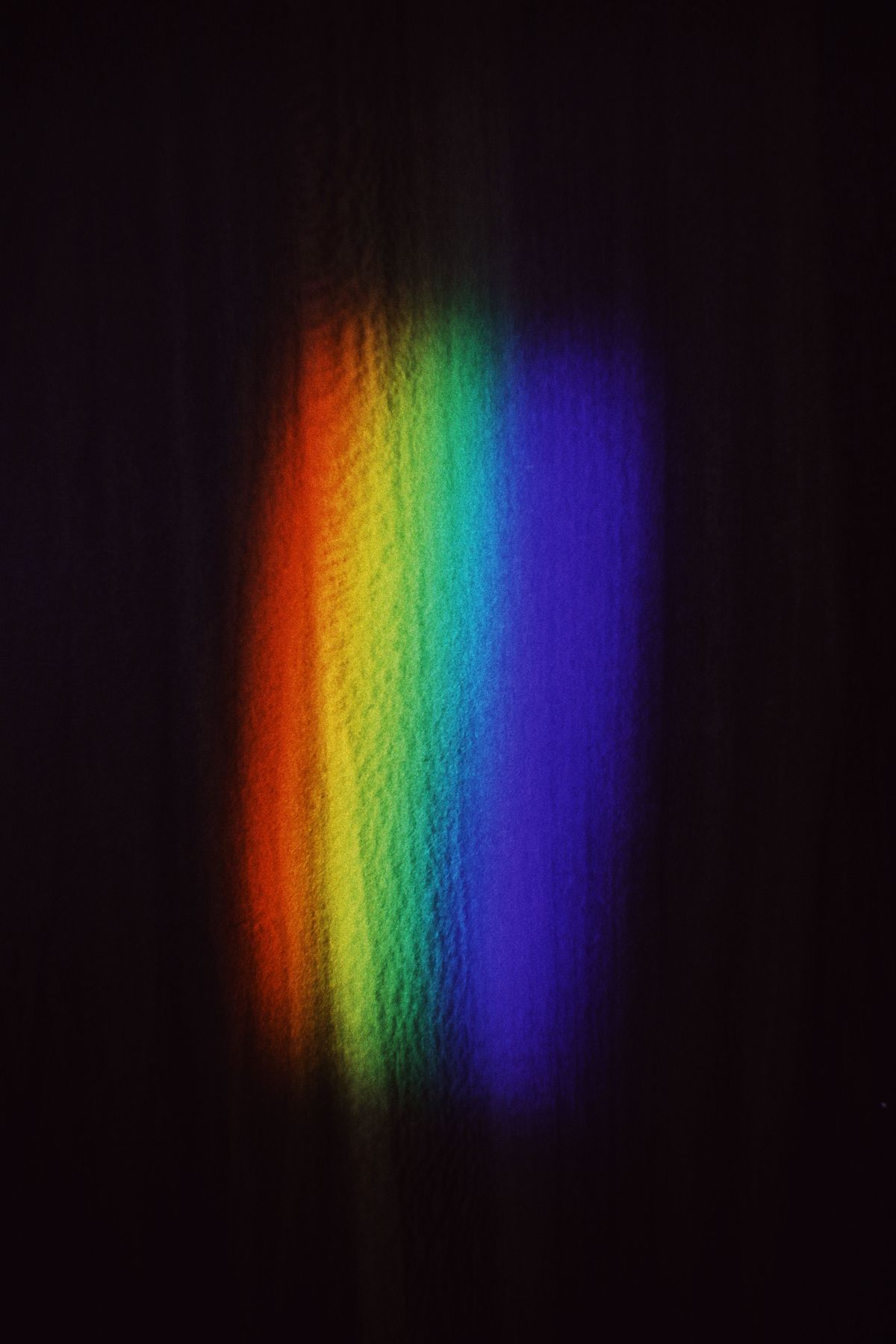
Reflection, refraction and diffraction are the 3 ways waves change direction when they meet a boundary or obstacle. Reflection bounces the wave back into the original medium — like light off a mirror. Refraction bends the wave as it passes into a new medium and changes speed — like a straw looking bent in water. Diffraction spreads the wave around obstacles or through openings — like sound travelling around a doorframe. All three are wave behaviours, but the cause, the result, and the conditions are different for each. Understanding reflection refraction and diffraction is essential for optics, acoustics, and every field that deals with wave physics. Here is how they compare.
Think of a ball. Throw it at a wall and it bounces back — that is reflection. Throw it into thick mud at an angle and it slows, changing direction as it enters — that is refraction. Throw it through a narrow gap and it comes out the other side, but you lose some control over where it goes — that is diffraction. Light, sound, and water waves do the same thing, just at very different scales. In this guide to reflection refraction and diffraction, you will learn the key differences, see examples of each, and find out how to tell them apart at a glance.
What is reflection?
Reflection happens when a wave strikes a surface and bounces back into the medium it came from. The law of reflection governs it: the angle of incidence equals the angle of reflection, measured from the normal line perpendicular to the surface.
Reflection keeps the wave's speed, frequency, and wavelength unchanged. It works for every type of wave — light, sound, water, seismic. A smooth surface produces a clear image (specular reflection). A rough surface scatters the wave in all directions (diffuse reflection), which is why you can see a brick wall but not your face in it.
Reflection is the most familiar of the three. When you look in a mirror, you are seeing reflection in action — light bounces off the silvered back and returns to your eye at the same angle it arrived. This is why the law of reflection matters for all three phenomena: it is the simplest of the reflection refraction and diffraction trio, with no change in speed or wavelength. For the full detail on how reflection works, see our reflection physics waves pillar guide.

What is refraction?
Refraction is the bending of a wave as it passes from one medium into another and changes speed. When a wave enters a denser medium, it slows and bends toward the normal. When it enters a less dense medium, it speeds up and bends away from the normal.
Unlike reflection, the wave does not bounce back — it crosses the boundary and continues in the new medium, but in a different direction. The speed change causes the bend. Snell's law gives the exact relationship: n₁ sin θ₁ = n₂ sin θ₂.
A straw looking bent in a glass of water is the classic example. The light from the submerged part refracts as it exits the water, shifting the apparent position. Rainbows use refraction plus internal reflection inside water droplets — a perfect example of how refraction and diffraction can appear alongside reflection in natural phenomena. Unlike reflection, refraction always changes the wave's speed and wavelength, which is the quickest way to identify it in the reflection refraction and diffraction comparison. For a deeper comparison, read our guide on reflection vs refraction.
What is diffraction?
Diffraction is the spreading of a wave when it passes through an opening or around an obstacle. It does not require a change of medium — it happens entirely in the same material. The key is the size of the opening or obstacle relative to the wavelength.
When a wavefront encounters an obstacle, every point on the unobstructed part acts as a new source of spherical wavelets (Huygens' principle). These wavelets interfere with each other, creating the spreading pattern. The amount of diffraction increases with longer wavelengths relative to the opening size.
Diffraction is the odd one out in the reflection refraction and diffraction set because it can happen in a single medium. You experience sound diffraction constantly — hearing someone in the next room is sound bending around the doorframe. Light diffraction is harder to see because visible light has a tiny wavelength (about 500 nm), but a CD or DVD shows it clearly — the grooves act as a diffraction grating, separating white light into its component colours. Water waves also diffract around harbour walls and small boats, producing the spreading patterns you see in ripple tanks. The distinction between reflection refraction and diffraction comes down to this: reflection needs a surface, refraction needs a boundary, and diffraction needs an opening or obstacle. For more detail, see our guide on refraction vs diffraction.
5 key differences: reflection vs refraction vs diffraction
The table below shows how reflection refraction and diffraction differ across the five most important dimensions. The key insight is that refraction changes the wave's speed and wavelength, while reflection and diffraction do not — that single fact helps you identify any of the three.
| Aspect | Reflection | Refraction | Diffraction |
|---|---|---|---|
| What happens | Wave bounces back into the original medium | Wave bends as it crosses into a new medium | Wave spreads around obstacles or through openings |
| What causes it | Surface the wave cannot pass through | Change in wave speed between two media | Wavefront partially blocked by an obstacle |
| Medium needed? | No — one medium is enough (the boundary is the surface) | Yes — two different media required | No — can happen in a single medium |
| Wave speed | Stays the same | Always changes | Stays the same |
| Wavelength | Stays the same | Always changes | Stays the same |
| Everyday example | Mirror, still lake reflection | Straw in water, rainbows, glasses | Sound around a corner, CD rainbow pattern |

The two fastest ways to tell them apart:
- Changed medium? Yes → refraction. No → reflection or diffraction.
- Obstacle or opening? Yes → diffraction. No → reflection.
When all three appear together
A single object can produce all three behaviours at once. This is why understanding reflection refraction and diffraction as a set is more useful than studying them in isolation — you rarely see only one.
Consider a glass window:
- Reflection: about 8% of the light reflects off the surface, showing you your own reflection.
- Refraction: the light that enters the glass bends slightly as it passes from air into glass, then bends again as it exits back into air.
- Diffraction: the edges of the window frame and any dust or smudges on the glass cause tiny amounts of diffraction.
A swimming pool is another example where reflection refraction and diffraction all play a role. Light reflects off the water surface (reflection), bends as it enters the water (refraction), spreads around ripples and disturbances on the surface (diffraction), and some is absorbed by the pool lining. The proportion of each depends on the angle of the sun, the smoothness of the water, and any waves or ripples on the surface.
A raindrop does the same. Light refracts at the entry surface, reflects inside the droplet, and diffracts around the droplet's edges. The rainbow you see is mainly refraction and reflection, but diffraction affects the sharpness of the colour bands. The Physics Classroom tutorial on reflection, refraction, and diffraction describes all three as boundary behaviours of waves — they co-exist at every interface; only the proportions change.
Common misconception: "diffraction is just refraction around an obstacle"
This is the most frequent confusion in the reflection refraction and diffraction topic. Diffraction is not refraction. Refraction needs a change of medium. When you close a door and hear sound from the next room, no medium change has occurred — the air is the same on both sides. The sound spreads because its wavefront is partially blocked by the doorframe, and the unobstructed part fans out by Huygens' principle. That is pure diffraction.
A second common misconception: "reflection refraction and diffraction are the same thing — light just bends." No. Each is a distinct mechanism. Reflection bounces the wave back, refraction bends it with a speed change, diffraction spreads it with interference. If you think about reflection refraction and diffraction as three separate tools in a toolbox, you will never confuse them. Reflection is a hammer (blunt bounce), refraction is a wedge (changes direction through a new material), and diffraction is a sieve (spreads through gaps).
A third: "diffraction only happens with light." Sound diffracts around doorframes constantly. Radio waves diffract around buildings — that is how you get a signal indoors. Water waves diffract around harbour walls. Every wave diffracts; the question is how much. Longer wavelengths diffract more, which is why bass sound travels around corners easier than treble.
The BBC Bitesize guide on wave behaviours explains that reflection and refraction happen at boundaries, while diffraction happens when waves meet obstacles — a critical distinction for exams and real understanding. The Albert.io guide on wave reflection, refraction, and diffraction provides additional examples with sound and water waves for further study.
Summary
| Question | Reflection | Refraction | Diffraction |
|---|---|---|---|
| Does the wave change medium? | No | Yes | No |
| Does the speed change? | No | Yes | No |
| Does the wavelength change? | No | Yes | No |
| Does it produce interference? | No | No | Yes |
| Easy to see with light? | Yes | Yes | Subtle |
| Memory key | Bounce | Bend | Spread |
For a broader look at how these compare with absorption, see our guide on reflection refraction and absorption. The full picture of all wave behaviours — including interference and polarisation — is covered in the properties of light guide.
Frequently Asked Questions
What is the difference between reflection, refraction and diffraction?
Reflection is a wave bouncing back off a surface it cannot pass through, like light off a mirror. Refraction is a wave bending as it passes from one medium into another and changes speed, like light entering water. Diffraction is a wave spreading out when it passes through an opening or around an obstacle, like sound around a doorframe.
Can reflection, refraction and diffraction happen at the same time?
Yes. A single raindrop demonstrates all three: light refracts as it enters the drop, reflects off the inside surface, and diffracts slightly around the drop's edges. In most real-world scenarios, more than one wave behaviour is present — the question is which one dominates.
Is a rainbow reflection, refraction or diffraction?
A rainbow is primarily refraction plus one internal reflection. Sunlight refracts as it enters each water droplet, reflects off the inside back surface, then refracts again on the way out. Different colours bend by different amounts, creating the familiar arc — red at 42°, violet at 40°.
Which is easier to see in everyday life: reflection, refraction or diffraction?
Reflection is the easiest — you see it every time you look in a mirror or check your phone screen. Refraction is also common — a bent straw in water, rainbows, and glasses all show it. Light diffraction is subtle because visible light has a tiny wavelength (about 500 nm), so you need narrow slits or fine gratings to spot it clearly.

About Umar Farooq
Umar Farooq writes in-depth guides on the physics of light and optics — from reflection, refraction, and lenses to diffraction, lasers, and fiber optics, explained from first principles.
Read more about Umar Farooq →