
Reflective light is light that has bounced off a surface. It is the reflected portion of incident light — the rays that return into the original medium after striking a boundary. When you read this screen, you are seeing reflective light that has left the screen surface and travelled to your eyes. When you look at the moon, you are seeing reflective light that travelled from the sun, bounced off the moon, and then reached Earth. Without reflective light, you would only see light sources themselves — the sun, a lamp, a flame — and nothing else.
Think of a ball bouncing off a wall. Before the bounce, the ball is heading toward the wall — that is like incident light. After the bounce, it is travelling away from the wall — that is reflective light. Both are the same ball; its direction changed at the wall. Light does the same thing: the reflective light leaving a surface is the same wave that arrived, just redirected. When you ask "what is reflective light," the answer is simple: it is the light that has already bounced — the output of reflection, not the input. The difference is that the ball changes speed only if it goes through the wall, while light stays at the same speed in the same medium.
What is reflective light? Definition and meaning
What is reflective light exactly? It is the light that bounces off a surface and travels away from it. It is the opposite of incident light (which arrives at the surface) and transmitted light (which passes through it). The term "reflective light" is often used interchangeably with "reflected light" — both describe the same thing: the light output of the reflection process. Understanding what is reflective light begins with knowing that it is always the product of a surface interaction — it is never original light from a source, but light that has already interacted with matter.
The key point is that reflective light carries information about the surface it hit. A red apple looks red because its surface reflects red wavelengths and absorbs the rest — the reflective light entering your eyes contains only the red portion of the spectrum. A rough surface scatters reflective light in all directions, which is why you can see it from any angle. A smooth surface sends reflective light in a single direction, which is why you see a clear image.
Every surface reflects some light. Even black surfaces reflect a few percent. The Britannica entry on reflection notes that the amount of light reflected depends on the material and the angle of incidence — a key point for understanding what is reflective light and how it behaves in different situations. The more you know about the surface, the more you can predict about the reflective light it produces.
The 3 types of reflective light
Reflective light takes three forms depending on the surface it bounces from:
1. Specular reflective light
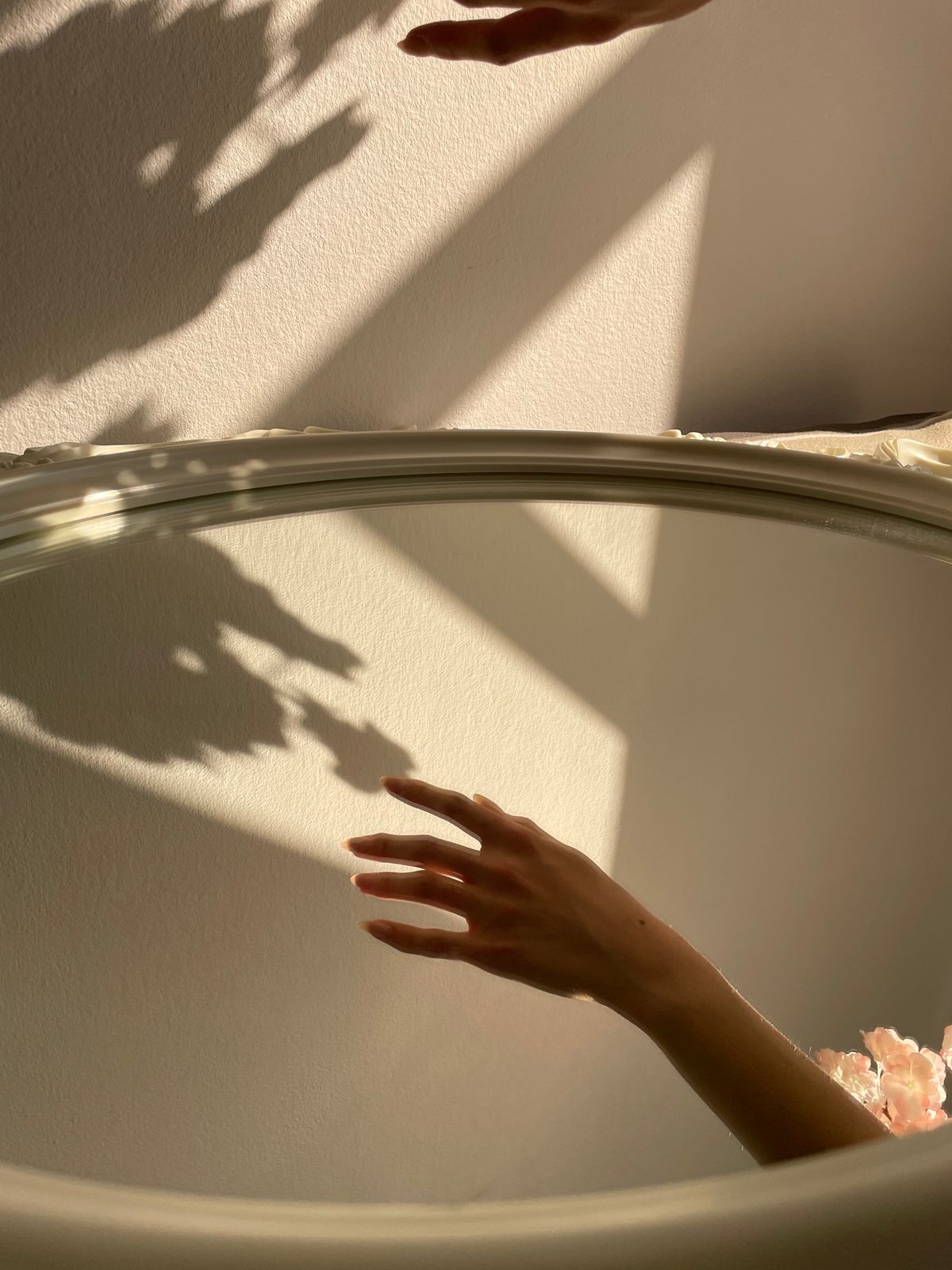
When light reflects from a smooth surface like a mirror or still water, the rays stay parallel. This produces a clear, sharp image. Every ray arriving at a specific angle leaves at the same angle on the other side of the normal. This is specular reflective light — the kind that lets you see your face in a mirror. To understand what is reflective light in its purest form, look at a mirror: the light leaving it is specular reflective light.
Specular reflective light preserves spatial information. Each point on the reflected image corresponds to a specific point on the object, maintaining the geometry. This is why mirrors can form recognisable images. About 90–95% of incident light becomes specular reflective light from a quality mirror.
2. Diffuse reflective light
When light reflects from a rough surface like paper, brick, or fabric, the microscopic surface angles are random. The rays scatter in every direction. This is diffuse reflective light — the kind that lets you see a wall from any angle but not your reflection in it.
Most of the light you see in daily life is diffuse reflective light. The walls of a room, the pages of a book, and the clothes you wear all produce diffuse reflective light. Without it, you would only see clear reflections of light sources on every surface — a world of blinding glare. The Evident Scientific introduction to reflection explains that diffuse reflection is what makes illuminated surfaces visible from any position.
3. Mixed reflective light
Most real surfaces are not perfectly smooth or perfectly rough — they are somewhere in between. Semi-gloss paint, polished wood, and satin-finish metals produce mixed reflective light: a combination of specular highlights (the shiny spot where the light source reflects directly) and diffuse scattering (the colour you see from the rest of the surface).
A glossy magazine page is a great example. Hold it under a light and you see a bright glare spot (specular) — tilt it and you see the printed colours (diffuse). Both are reflective light from the same surface, just from different parts of the microscopic texture.
Properties of reflective light
Reflective light is not identical to the light that arrived at the surface. Three properties change:
Intensity. No surface reflects all the light that hits it. A mirror reflects about 90–95%, glass about 8% per surface, and a dark brick wall as little as 5–10%. The rest is absorbed or transmitted. Reflective light is always dimmer than the incident light that produced it — this is a key part of what is reflective light: it always represents only a fraction of the original light energy.
Polarisation. When light reflects off a non-metallic surface at an angle, it becomes partially polarised. At Brewster's angle — about 56° for glass and 53° for water — the reflective light is completely polarised parallel to the surface. This is why polarising sunglasses cut glare from roads and water: they block the horizontally polarised reflective light.
Colour. Surfaces absorb some wavelengths and reflect others. A green leaf absorbs blue and red light for photosynthesis and reflects green — this reflective green light is what makes leaves look green. The colour of reflective light is the colour of the surface, minus the wavelengths the surface absorbed.
Reflective light vs incident light vs transmitted light
| Aspect | Incident Light | Reflective Light | Transmitted Light |
|---|---|---|---|
| Where it is | Arriving at the surface | Leaving the surface | Passing through the surface |
| Direction | Toward the surface | Away from the surface | Through the surface |
| Speed | Original speed | Same as incident (same medium) | Changes (new medium) |
| Wavelength | Original | Same as incident (same medium) | Changes (shorter in denser medium) |
| Information | About the light source | About the surface | About the transmitting medium |
| Example | Sunlight hitting a wall | Light leaving a mirror | Light through a window |
Examples of reflective light in daily life
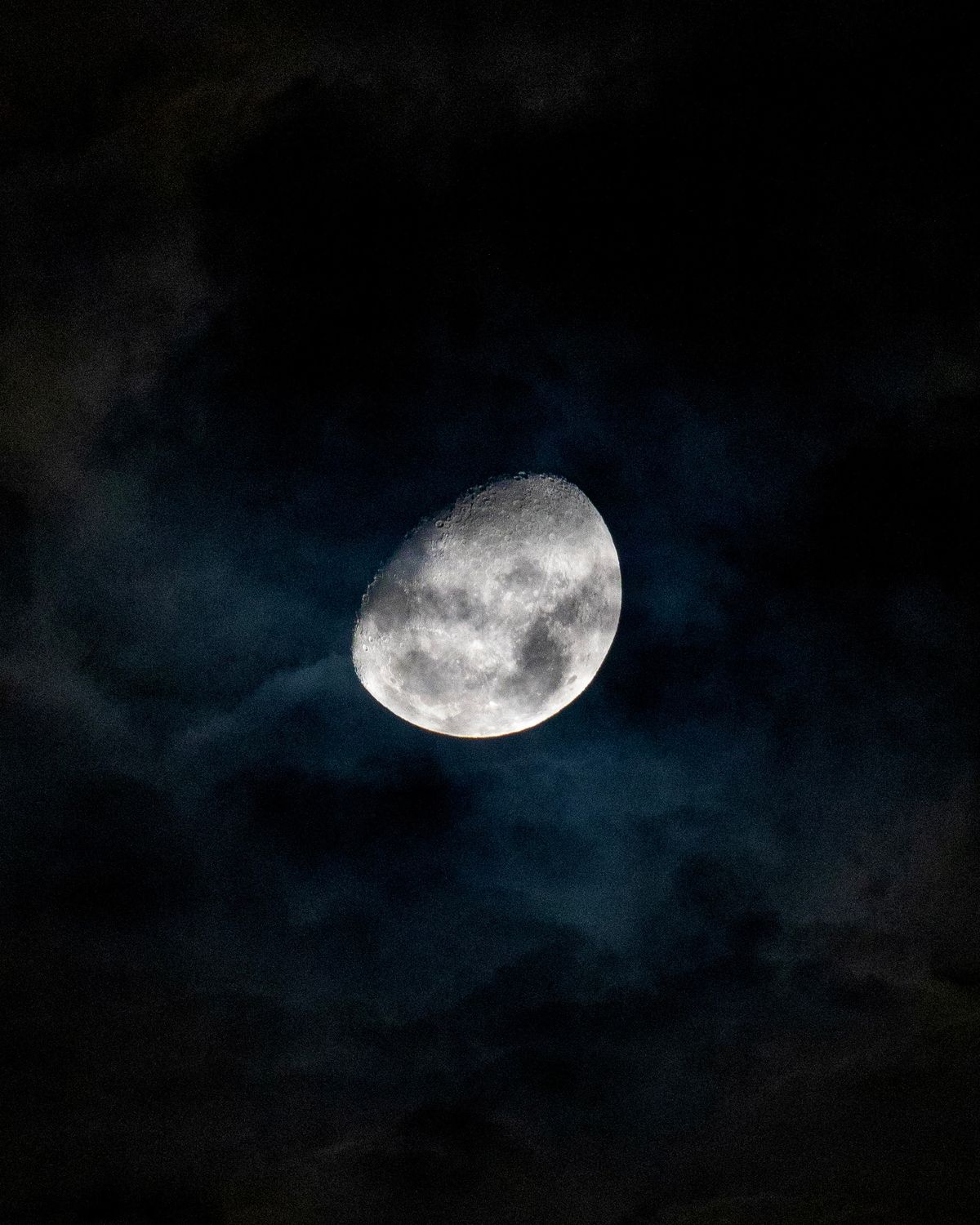
Moonlight is reflective light. The moon has no light of its own — it reflects sunlight. When you ask "what is reflective light," the moon provides the clearest natural answer: it is sunlight that has bounced off a surface and travelled to your eyes. Moonlight travels 384,400 km from the moon to Earth after already travelling 150 million km from the sun. It is sunlight reflected twice: off the moon, then off objects on Earth.
Indirect sunlight in a room is reflective light. When sunlight comes through a window and lights up the opposite wall, that wall is reflecting the light diffusely. The light that fills a room without direct sun exposure is almost entirely diffuse reflective light from walls, ceilings, and furniture.
Glare from a road or water surface is specular reflective light. The bright, blinding patch you see on a wet road at night is sunlight or headlights reflecting off the water layer at a shallow angle. Polarising sunglasses work because they block this polarised specular reflective light.
Photographers use reflective light intentionally. A reflector board bounces sunlight or strobe light onto a subject, filling in shadows with soft diffuse reflective light. This is called "bounce lighting" and is one of the most basic techniques in portrait and product photography.
For more real-world examples, see our collection of reflection of light examples. For a deeper dive into how reflective light compares with other wave behaviours, read the guide on reflection refraction and diffraction.
Common misconception: "reflective light is different from reflected light"
Some people think "reflective light" and "reflected light" mean different things — that one describes a property of a surface and the other describes the light itself. In physics, they are the same. Reflective light IS reflected light. The adjective "reflective" describes the light that has undergone reflection, not the surface (a "reflective surface" is one that reflects well, but "reflective light" is the light leaving it).
Another misconception: "reflective light travels slower than incident light." It does not. Reflective light stays in the same medium (it bounces back, never crossing the boundary), so its speed is identical to the incident light. Only refracted light changes speed. For details on why this matters for comparing wave behaviours, see the reflection physics waves pillar guide.
Summary
Reflective light is light that has bounced off a surface. It answers the question "what is reflective light" in one sentence: it is the light that reaches your eyes after reflecting from an object, carrying information about that object's surface. It can be specular (mirror-like from smooth surfaces), diffuse (scattered from rough surfaces), or a mix of both. Without reflective light, you would not see most of the objects around you. Every time you look at anything that is not a light source, you are seeing reflective light in action. For more on how reflective light fits into the bigger picture of optics, the Physics Classroom tutorial on light reflection provides an excellent foundation.
Frequently Asked Questions
What is reflective light?
Reflective light is light that has bounced off a surface. It is the reflected portion of incident light — the rays that return into the original medium after striking a boundary. When you see an object, you are seeing reflective light that has left the surface and travelled to your eyes.
What is the difference between reflective light and incident light?
Incident light is the light arriving at a surface before it interacts with it. Reflective light is the light that has bounced off that surface. Incident light carries information about the light source; reflective light carries information about the surface it reflected from — its colour, texture, and shape.
What are the types of reflective light?
There are 3 types: specular reflective light (from smooth surfaces like mirrors, producing clear images), diffuse reflective light (from rough surfaces like paper, scattering in all directions), and mixed reflective light (from semi-gloss surfaces, combining both behaviours).
Does reflective light have the same properties as incident light?
No. Reflective light can be polarised (especially at certain angles), reduced in intensity (no surface reflects 100%), and altered in colour (surfaces absorb some wavelengths and reflect others). The speed, frequency, and wavelength remain the same as long as the light stays in the same medium.
How does reflective light help us see objects?
You see objects because reflective light from their surfaces enters your eyes. Most objects do not emit their own light — they reflect light from external sources (the sun, lamps, etc.). Without reflective light, you would only see light sources themselves, not the objects around you.
Is moonlight reflective light?
Yes. The moon does not produce its own light. Moonlight is sunlight that reflects off the moon's surface. When you see moonlight illuminating a landscape at night, you are seeing twice-reflected light — sunlight reflecting off the moon, then off objects on Earth.
Can reflective light be polarised?
Yes. When light reflects off a non-metallic surface such as water, glass, or a road, it becomes partially polarised. At a specific angle (Brewster's angle), the reflected light is completely polarised. This is how polarising sunglasses reduce glare — they block the polarised reflective light from horizontal surfaces.

About Umar Farooq
Umar Farooq writes in-depth guides on the physics of light and optics — from reflection, refraction, and lenses to diffraction, lasers, and fiber optics, explained from first principles.
Read more about Umar Farooq →