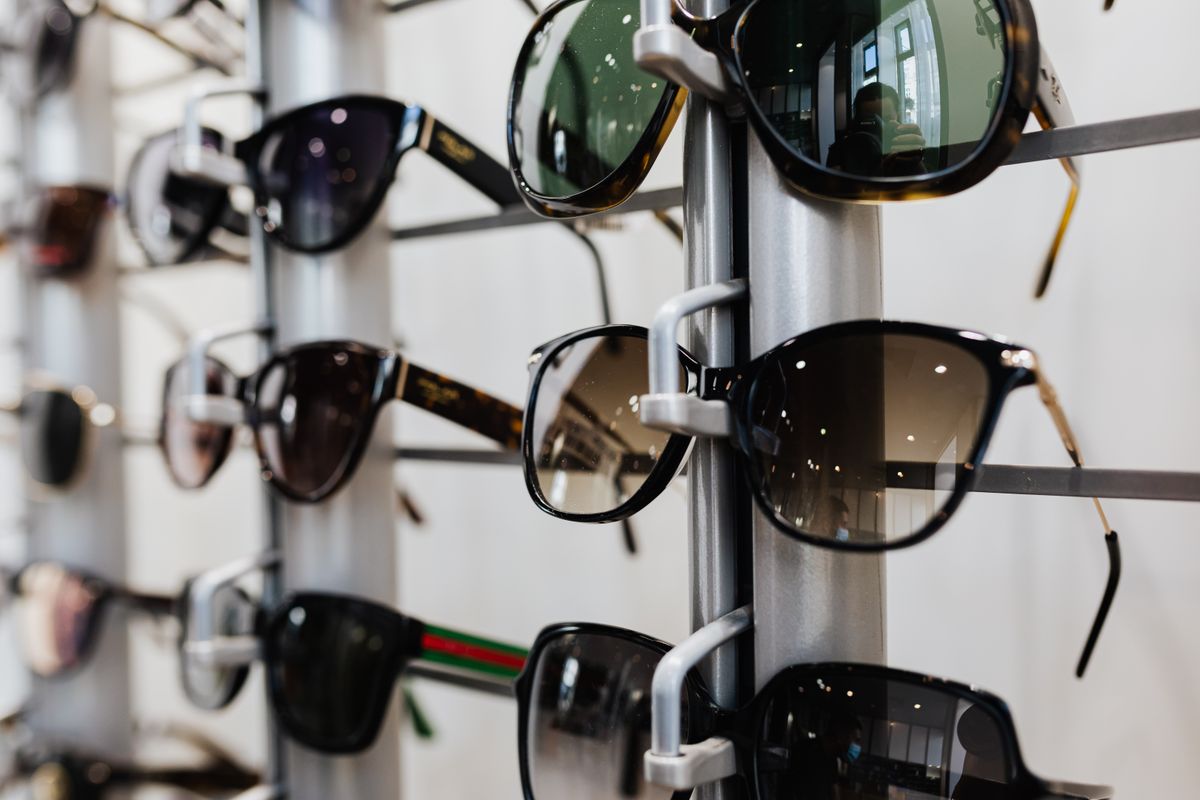
Polarized sunglasses work by blocking horizontally reflected light — the intense glare that bounces off roads, water, snow, and car bonnets. A vertical chemical filter inside the lens acts like a microscopic picket fence, allowing only vertically oriented light waves through while absorbing horizontal ones. This cuts glare, reduces eye strain, and improves contrast in bright conditions.
Here is what we cover: the science behind polarised lenses, 5 easy facts about how they work, the best tint colours for different activities, when to wear them (and when not to), how to tell if sunglasses are polarised, and a buying guide covering UV protection, lens materials, and price.
How Do Polarized Sunglasses Work? The Science
Light from the sun vibrates in all directions. When it reflects off a flat, non-metallic surface — a road, a lake, a car bonnet — it becomes horizontally polarised. The vibrations align horizontally, creating intense glare. This is why a wet road can be almost blinding on a sunny day.
A polarised lens contains a chemical film with long-chain molecules aligned vertically. These molecules absorb horizontally vibrating light waves while letting vertically vibrating ones pass through. The result: the glare disappears, but the rest of the scene remains visible.
Picture a microscopic picket fence. Light waves vibrating vertically slip through the gaps. Horizontal waves hit the fence and are absorbed. Rotate the fence 90 degrees — as happens when you tilt your head — and the effect reverses. This is the same principle as a camera polariser, which we cover in our guide on how polarisation works.
The key insight: polarised lenses do not just darken the scene. Ordinary tinted lenses reduce all light equally. Polarised lenses selectively remove the specific light that creates glare, which is why they improve visibility rather than just dimming it.
5 Easy Facts About Polarized Sunglasses
1. They block horizontal glare, not all light
The most common misunderstanding is that polarised lenses just make everything darker. They do not. They target light reflected from horizontal surfaces — water, roads, snow, windscreens — which is precisely the light that causes squinting and eye fatigue. Vertical light passes through almost unaffected. This selective filtering is what makes polarised lenses different from ordinary tinted glasses.
2. They are not the same as UV protection
Many people assume that if sunglasses are polarised, they automatically protect against UV rays. This is not true. Polarisation and UV protection are separate technologies built into the lens independently. Always check for a UV400 label or a statement that the lenses block 99–100% of UV-A and UV-B radiation. Some cheap polarised sunglasses offer excellent glare reduction but zero UV protection, which is worse than no sunglasses at all because your pupils dilate behind the darker lens, letting in more unfiltered UV.
3. LCD screens look weird through them
If you have ever tilted your phone while wearing polarised sunglasses and watched the screen go dark or display strange colours, you have seen polarisation physics in action. Your phone's LCD screen emits polarised light. When the screen's polarisation axis conflicts with your lens's axis, the light cancels out. This is normal — it is not a defect in the glasses or the phone. Rotating the phone or tilting your head usually restores the display.
4. Lens colour matters for different activities
Not all polarised lenses are the same tint, and the colour affects how you see the world:
- Grey: Most natural colour perception. Best for general use, driving, and everyday wear.
- Brown / copper: Enhances contrast and depth perception. Excellent for fishing, golf, and hiking where seeing subtle terrain differences matters.
- Green: Good general-purpose tint with balanced contrast and colour accuracy.
- Yellow / amber: Improves visibility in low-light or overcast conditions. Popular with shooters and skiers.
- Mirror coating: Reflects additional light away from the lens. Useful for extreme brightness (snow, water, high altitude) but purely a reflective coating, not polarisation.
5. You can test polarisation in seconds
Two quick ways to check if sunglasses are genuinely polarised:
LCD test: Look at a phone or calculator screen through the lenses. Rotate the glasses 90 degrees. If the screen goes dark or changes colour, they are polarised.
Two-lens test: Hold two pairs of polarised sunglasses lens-to-lens. Rotate one pair 90 degrees. The overlapping area should turn nearly black. If nothing changes, they are not polarised.
This test works because two crossed polarisers block almost all light — a direct demonstration of Malus's law, which we explain in our article on s and p polarisation.
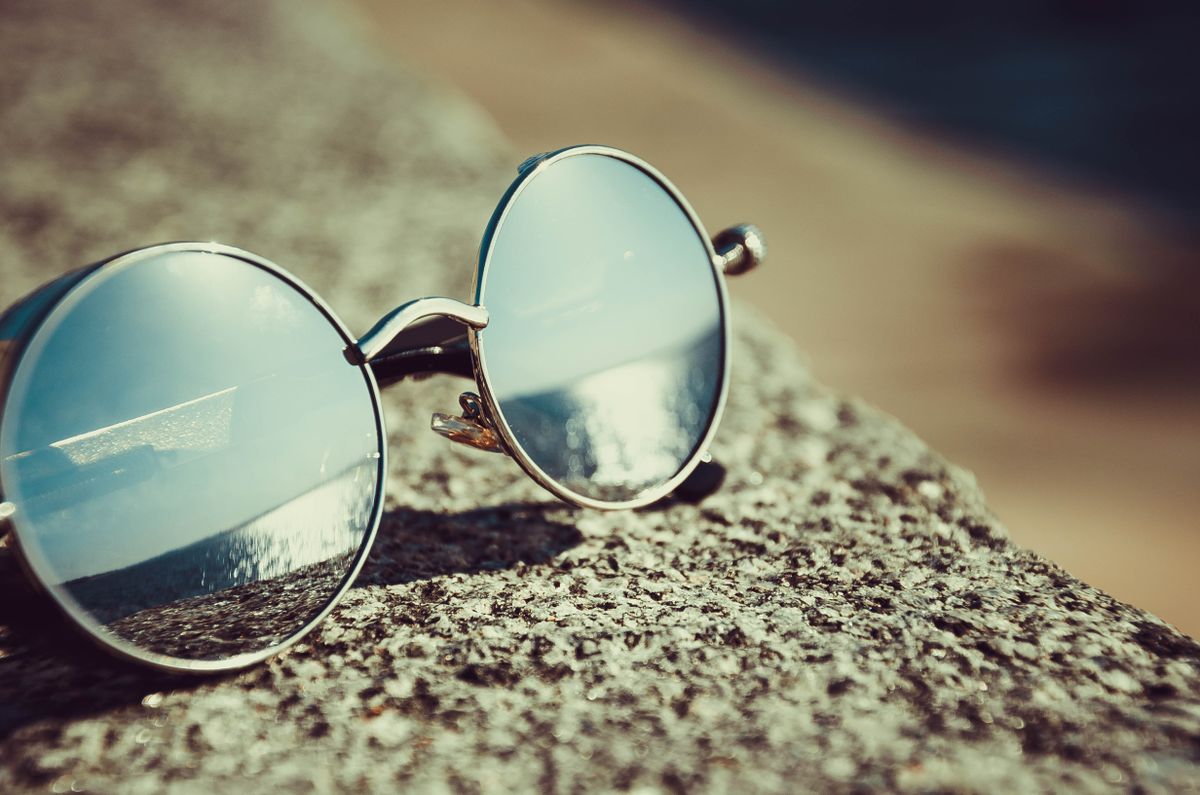
When Polarized Sunglasses Help Most
Polarised lenses excel in these situations:
Driving. Wet roads produce intense horizontal glare. Polarised lenses cut this glare, reduce eye strain, and improve visibility of other vehicles, pedestrians, and road markings. Many drivers report significantly less fatigue on long sunny journeys.
Fishing and boating. Open water is one of the most reflective surfaces in nature. A good pair of polarised sunglasses lets you see below the surface — fish, rocks, and submerged structure — instead of staring at your own reflection.
Snow sports. Snow reflects up to 80% of UV radiation. Polarised lenses cut the blinding glare off snowfields, improving contrast and reducing the risk of snow blindness.
Beach and water activities. Same principle as fishing: polarised lenses cut surface glare so you can see into the water, and reduce overall brightness without washing out colours.
Everyday outdoor wear. Walking, cycling, running, or just spending time outside — polarised lenses make bright conditions more comfortable by removing the harsh glare that ordinary tinted lenses leave behind.
When NOT to Wear Polarized Sunglasses
Polarised lenses are not always the right choice.
Night driving. Polarised lenses reduce light transmission by an additional 1–2 stops. Wearing them at night is dangerous — you need every photon your eyes can gather. Never drive at night with any tinted or polarised lenses unless they are specifically designed for night use (and most of those do not work as claimed).
Viewing LCD screens. Phones, car GPS units, ATM screens, and some instrument panels may become difficult or impossible to read. If your work involves frequent screen use outdoors, consider keeping a non-polarised pair handy.
Pilots. Some aircraft windscreens and instrument panels use polarised materials that interact badly with polarised lenses. Many pilots carry non-polarised sunglasses for this reason.
Skiing on icy terrain. Competitive skiers sometimes avoid polarised lenses because the glare off ice is a visual cue for where the ice is. Removing that glare can make icy patches harder to spot in shaded areas.
When you want reflections. Reflections on water, wet streets, or glossy surfaces are sometimes the point of the shot — whether for photography or simply for the visual effect. Polarised lenses remove them.
What to Look for When Buying
Here is a practical buying checklist:
1. UV protection first. Look for UV400 or 99–100% UV-A/UV-B blocking. This is non-negotiable for eye health.
2. Polarisation quality. Genuine polarised lenses from reputable brands (perscription or non-prescription) will show the LCD test result clearly. Cheap knock-offs may claim polarisation without delivering it.
3. Lens material. Polycarbonate lenses are lightweight, impact-resistant, and ideal for sports and driving. Glass lenses offer superior optical clarity but are heavier and more fragile. Plastic (CR-39) lenses sit between the two in weight and cost.
4. Tint colour. Choose based on your main activity (see the table in Fact 4 above). Grey is the safest all-rounder.
5. Frame coverage. Larger lenses and wraparound styles block more peripheral light and provide better protection. The more coverage, the more effective the polarisation.
6. Price. Decent polarised sunglasses start around £20–30 and go well into the hundreds. Above about £50–80, you are paying for frame quality, lens coatings, and brand — not significantly better polarisation. The polarising film itself is inexpensive; the value is in the build quality and optics.
Common misconception: polarised sunglasses are just like tinted ones
This is the most persistent myth. Ordinary tinted sunglasses reduce overall brightness by absorbing all wavelengths equally. They do not distinguish between glare and useful light. Polarised lenses do exactly that — they block the specific orientation of light that causes glare while transmitting the rest.
The difference is easy to feel. Try on a pair of polarised sunglasses and look at a reflective surface — a wet road, a lake, a car windscreen — then tilt your head 90 degrees. The glare reappears because you have rotated the filter out of alignment. That instant switch from glare-free to glaring is something tinted lenses cannot do.
For the deeper physics behind how light becomes polarised on reflection, see our guide to what is polarised light.
External resources
- Harvard Health: Polarized Sunglasses — Protecting Your Eyes from Harmful Glare — medical perspective on benefits, risks, and buying advice from Harvard Medical School
- Optogrid: Polarized Lenses — How They Work and When to Recommend Them — professional optometry guide covering lens technology, use cases, and limitations
- Wikipedia: Polarized Sunglasses — technical reference on polarisation in eyewear, lens materials, and testing methods
Frequently Asked Questions
How do polarized sunglasses work?
Polarized sunglasses work by blocking horizontally polarised light — the glare that reflects off flat surfaces like roads, water, and snow. The lenses contain a vertical chemical filter that acts like a microscopic picket fence, transmitting only vertically oriented light waves and absorbing horizontal ones. This eliminates glare, improves contrast, and reduces eye strain.
Are polarized sunglasses worth it?
Yes, if you spend time driving, near water, skiing, or outdoors in bright conditions. They reduce glare, improve visual clarity, and reduce eye fatigue. However, they can make LCD screens harder to see and are not suitable for night driving. For everyday outdoor use, most people find them a significant improvement over standard tinted lenses.
What is the difference between polarized and non-polarized sunglasses?
Polarised lenses have a chemical filter that blocks horizontally reflected glare, while non-polarised lenses are simply tinted to reduce overall brightness. Non-polarised lenses darken everything equally and do not selectively remove glare. Polarised lenses provide better contrast, sharper vision in reflective conditions, and greater eye comfort during activities like driving and fishing.
Can you test if sunglasses are polarized?
Yes, two easy ways. Look at an LCD screen (phone or calculator) through the lenses and rotate the glasses 90 degrees — if the screen goes dark or changes colour, they are polarised. Or hold two pairs of polarised sunglasses lens-to-lens and rotate one 90 degrees — the overlap should go nearly black.
Do polarized sunglasses block UV?
Not automatically. Polarisation and UV protection are separate features. A lens can be polarised but offer no UV protection. Always check for a UV400 label or 99–100% UV-A and UV-B blocking. Quality polarised sunglasses typically include UV protection, but never assume — verify the label.
Can you drive with polarized sunglasses?
Yes, they are excellent for daytime driving because they reduce glare from wet roads, car bonnets, and windscreens. However, they can make some LCD dashboard displays and GPS screens harder to read, and should never be used for night driving as they reduce too much light.
What are the disadvantages of polarized sunglasses?
They can make LCD and OLED screens difficult to see (phones, car displays, GPS units), are not suitable for night driving, may make it harder to see ice patches on roads (since the glare is removed), and are generally more expensive than non-polarised alternatives. Some pilots and skiers also avoid them for specific visibility reasons.
Which lens color is best for polarized sunglasses?
Grey lenses provide the most natural colour perception and are best for general use and driving. Brown/copper lenses enhance contrast and depth perception, ideal for fishing, golf, and hiking. Yellow lenses improve visibility in low-light or overcast conditions. Green lenses offer balanced contrast with accurate colour. Choose based on your primary activity.

About Umar Farooq
Umar Farooq writes in-depth guides on the physics of light and optics — from reflection, refraction, and lenses to diffraction, lasers, and fiber optics, explained from first principles.
Read more about Umar Farooq →