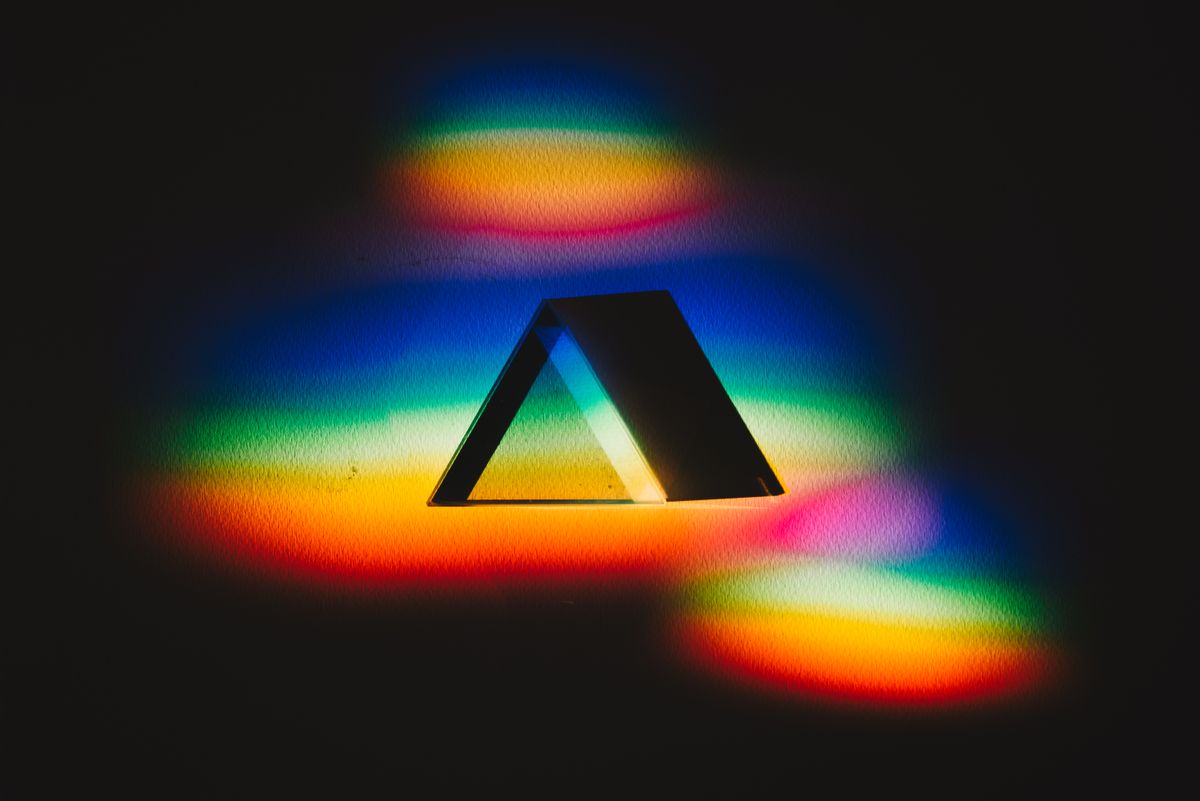
What is light? Light is a form of electromagnetic radiation — energy that travels as a wave and arrives in tiny packets called photons — and the slice of it your eyes can see is called visible light. The science built around it is optics, the branch of physics that studies how light travels, bends, and behaves. You're using it right now: light leaves this screen, your eye's lens bends it to a focus, and your retina turns it into these words. Here's a beginner's tour of light and the field of optics that explains it.
What is light?
Light is electromagnetic radiation — a self-sustaining ripple of electric and magnetic fields that races through space at 299,792,458 metres per second, fast enough to circle the Earth about 7.5 times in a second. It carries energy, needs no medium to travel, and arrives in indivisible packets called photons.
The light you can see is a thin band of that radiation, with wavelengths from about 380 nanometres (violet) to 700 nanometres (red). Outside that band lie the invisible kinds — infrared, ultraviolet, radio, X-rays — all the same phenomenon at different wavelengths. (Wikipedia's article on light gives the formal definition.) For the energy light carries, see our guide to what light energy is; for the full family of wavelengths, see the types of light.
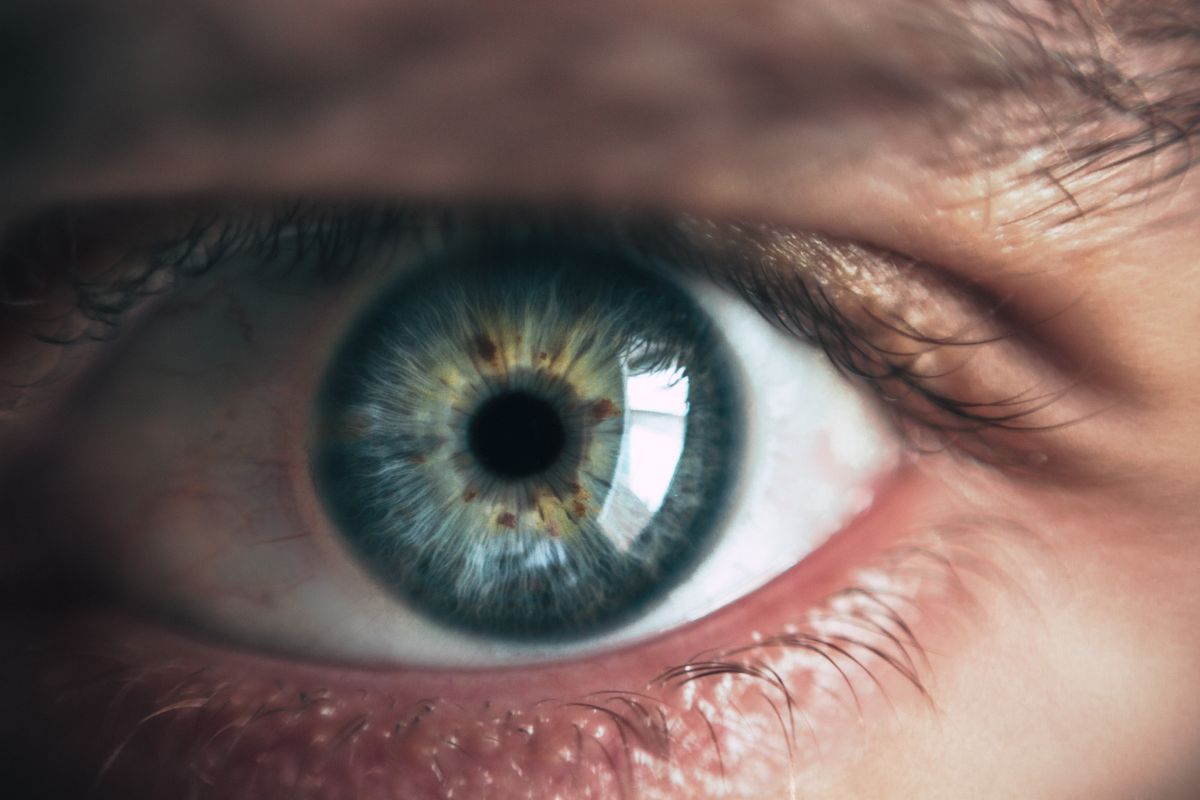
What is optics? The science of light
If asking what is light is the first question in this corner of physics, the second is what can we do with it — and that's optics. Optics is the branch of physics that studies light — how it moves, how it interacts with matter, and how lenses and mirrors can bend it to our purposes. If light is the subject, optics is the science that reads it.
The word covers a huge range. The same field explains why a straw looks bent in a glass, why a soap bubble shimmers, how a camera freezes a face, and how a laser cuts steel. What ties it together is one question asked over and over: what does light do when it meets something — a surface, a lens, a slit, an atom? (Wikipedia's overview of optics maps out the whole field.)
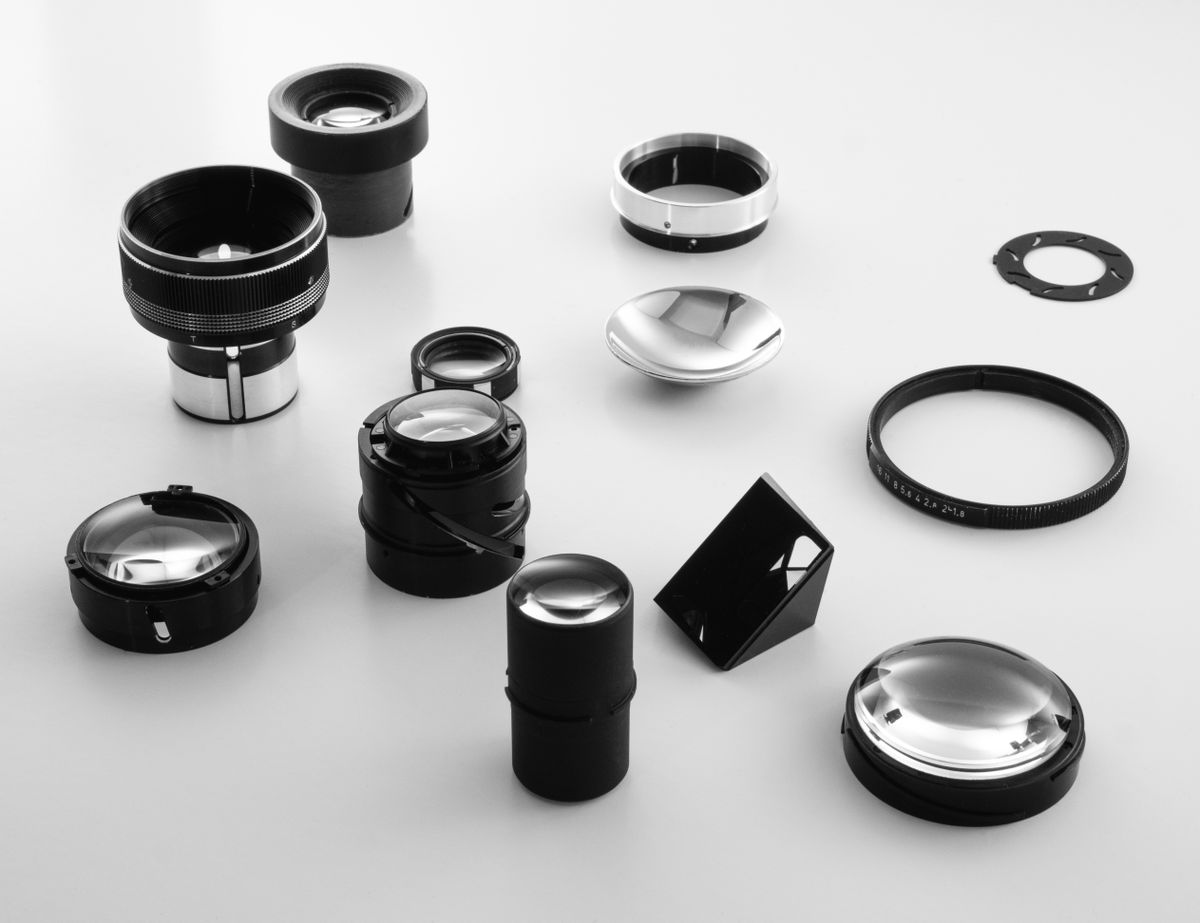
The laws of optics: how light behaves
Most of everyday optics runs on just two rules. State them in plain words first, then the symbols.
- The law of reflection. Light bounces off a surface at the same angle it hit it — throw a ball straight at a wall and it comes straight back; throw it at a slant and it leaves at the mirror-image slant. The angle of incidence equals the angle of reflection.
- The law of refraction (Snell's law). When light crosses from one material into another it bends, by an amount set by the two materials. In symbols, n₁ sin θ₁ = n₂ sin θ₂, where n is each material's refractive index. It's why light slows from 299,792,458 m/s in vacuum to about 225,000 km/s in water (n = 1.333) and bends as it does.
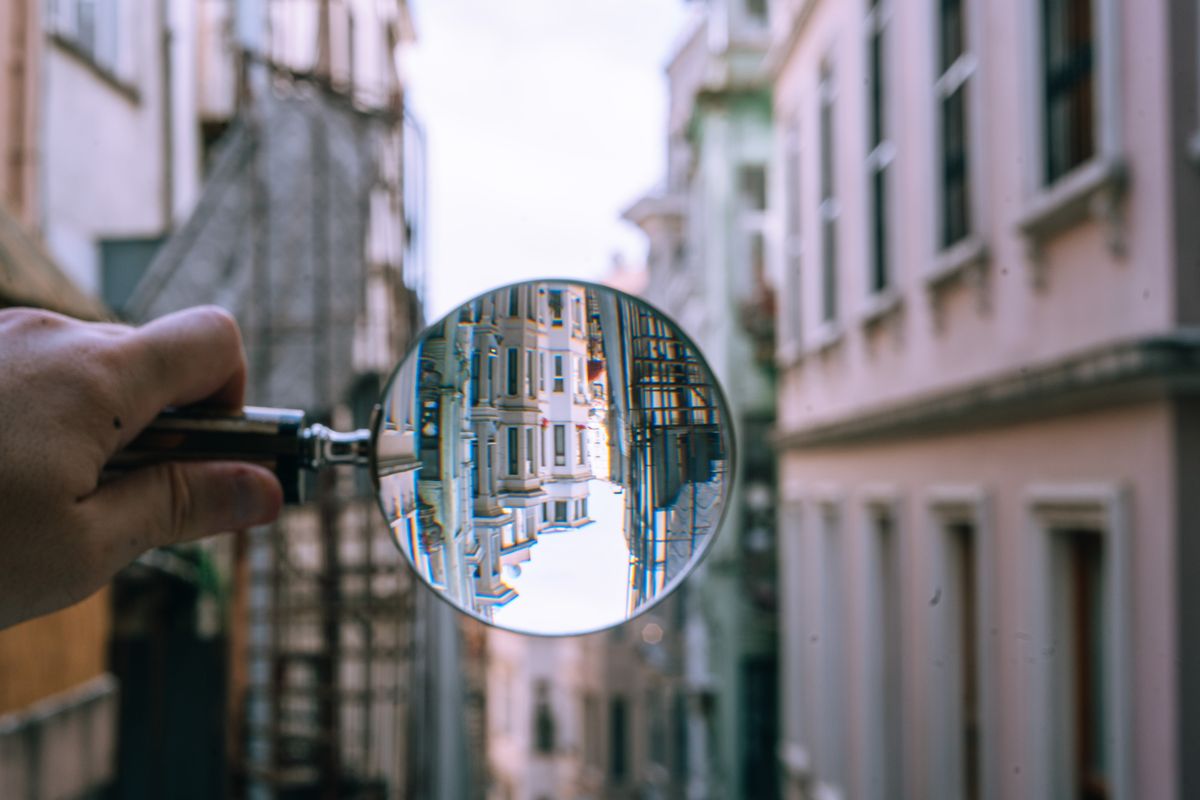
These two laws, plus the wave behaviours of light, are the engine of the whole subject — we cover them in depth in our guide to the properties of light.
The three branches of optics: ray, wave, and photon
Here's the key idea that makes optics click: physicists use three different models of light, and each is right for a different job. Think of three maps of the same city — a road map, a topographic map, and a satellite photo. None is the city; each is the best tool for a particular question.
- Geometrical (ray) optics treats light as straight rays that reflect and bend. It's the road map — perfect for designing lenses, mirrors, glasses, and cameras.
- Physical (wave) optics treats light as a wave. It's the topographic map — needed for interference, diffraction, polarisation, and the colours of a rainbow or an oil film.
- Quantum optics treats light as a stream of photons. It's the satellite view — essential for lasers, the photoelectric effect, and the deep question of whether light is a wave or a particle.
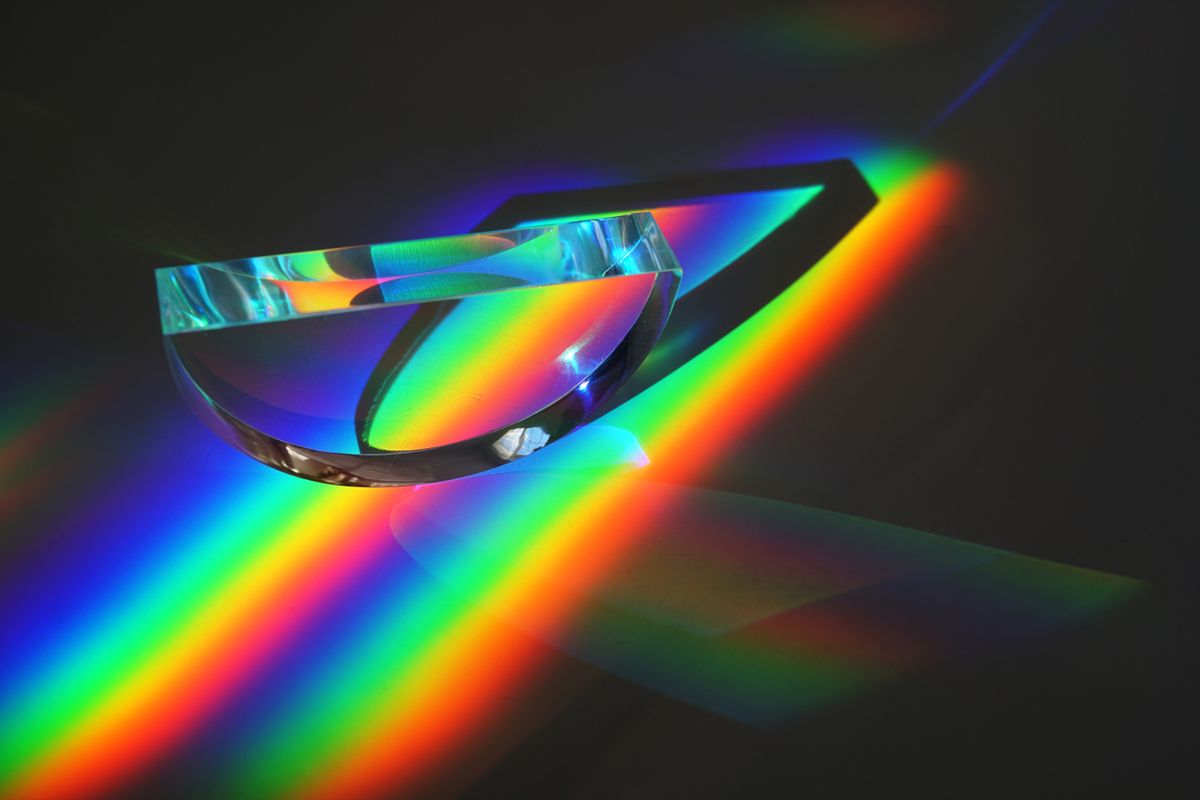
Naming which model you're using isn't a dodge — it's the honest way to do optics. Each picture is a tool, not the final truth.
Optical systems: the optics you use every day
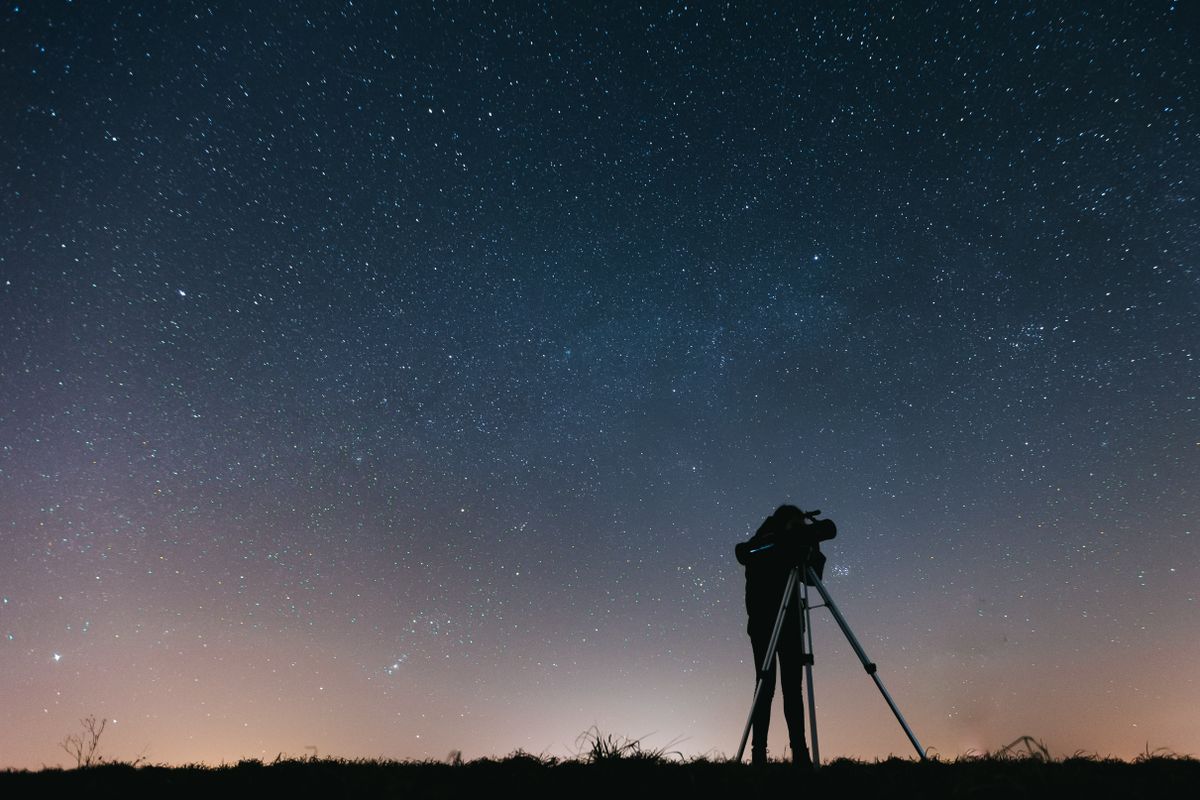
An optical system is any arrangement of lenses and mirrors that controls light to do a job, and you're surrounded by them. Your eye is one — a lens focusing an image on the retina. So are glasses, cameras, microscopes, telescopes, binoculars, projectors, and the fibre-optic cables carrying the internet.
Here's a misconception worth fixing: people assume the point of a microscope or telescope is magnification — making things bigger. It isn't. The real goal is resolution: the ability to separate two close details into two. Magnify a blurry image and you just get a bigger blur. A good telescope is prized for gathering light and resolving fine detail, not for the number on the eyepiece. Empty magnification impresses no one who knows optics.
What does an optician do?
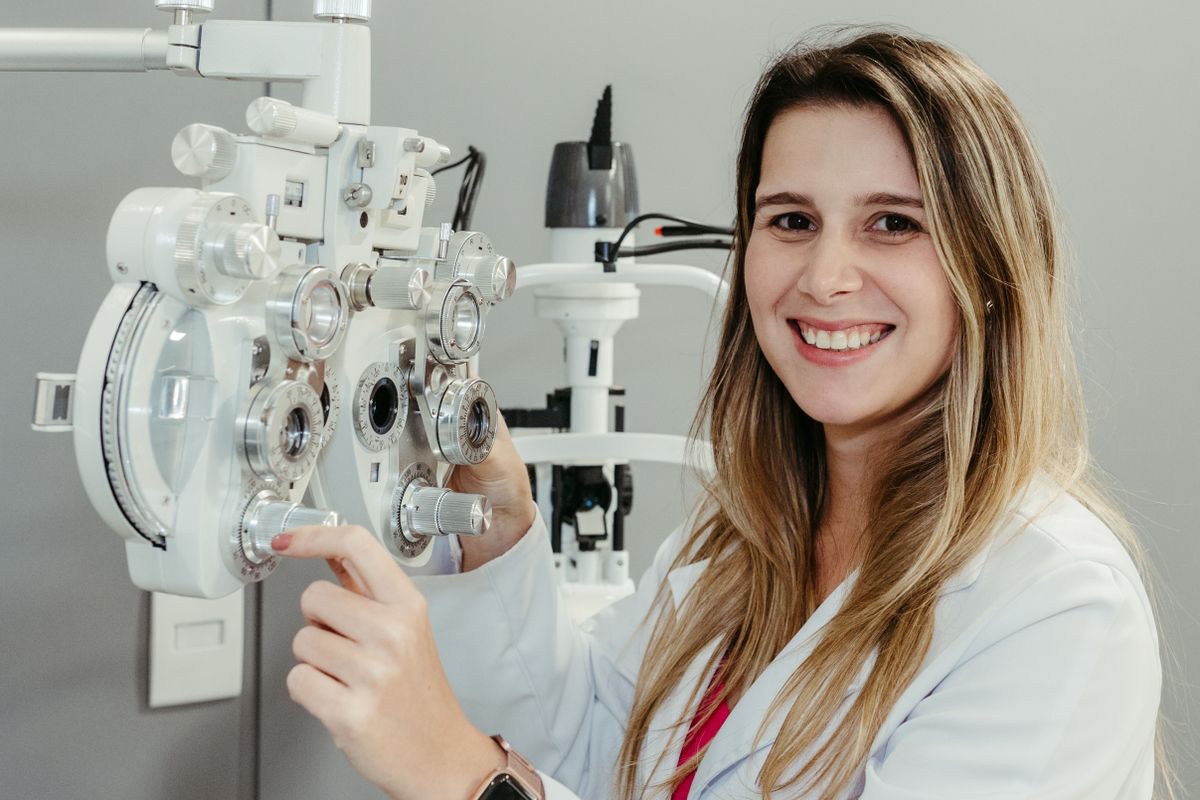
Optics isn't only a science — it's a set of careers. An optician fits and supplies glasses and contact lenses from a prescription. An optometrist tests your eyes and writes that prescription. And a physicist or optical engineer designs the lenses, lasers, and instruments in the first place. Different jobs, one shared foundation: the rules for how lenses bend light to form a sharp image.
One original diagram for this article: a single light ray entering a glass lens, drawn three ways side by side — as a straight ray bending at each surface (geometrical optics), as a wavefront curving through (physical optics), and as a stream of photon dots (quantum optics) — under one heading, "three models, one beam." It shows at a glance why optics keeps three pictures of the same thing.
Ready to go deeper? Start with what light energy is, explore the properties of light, or browse all our optics guides.
Frequently Asked Questions
What is light in simple terms?
Light is a form of electromagnetic radiation — energy that travels as a wave and arrives in tiny packets called photons. The narrow band our eyes can detect, from about 380 to 700 nanometres, is called visible light. It travels at 299,792,458 metres per second and needs no medium, so it crosses empty space.
What is optics?
Optics is the branch of physics that studies light: how it travels, bends, bounces, and interacts with matter, and how we use lenses and mirrors to control it. It ranges from the ray optics behind a pair of glasses to the wave optics behind a rainbow and the quantum optics behind a laser.
What are the main laws of optics?
Two laws cover most of everyday optics. The law of reflection says light bounces off a surface at the same angle it arrived. The law of refraction, or Snell's law (n1 sin theta-1 = n2 sin theta-2), says light bends by an amount set by the two materials it passes between. Together they explain mirrors, lenses, and prisms.
What are the three branches of optics?
Geometrical (ray) optics treats light as straight rays and explains lenses and mirrors. Physical (wave) optics treats light as a wave and explains interference, diffraction, and colour. Quantum optics treats light as photons and explains lasers and the photoelectric effect. Each is a model suited to a different job.
Is light a wave or a particle?
Both, depending on how you test it. Light behaves as a wave in experiments like the double slit and as a stream of particles, photons, in effects like the photoelectric effect. Neither picture is the whole story — light is a quantum object that shows whichever face the experiment reveals.
What does an optician do?
An optician fits and supplies glasses and contact lenses based on a prescription. They are different from an optometrist, who tests eyes and writes prescriptions, and from a physicist who studies optics as a science. All three rely on the same optical principles of how lenses bend light to focus an image.

About Umar Farooq
Umar Farooq writes in-depth guides on the physics of light and optics — from reflection, refraction, and lenses to diffraction, lasers, and fiber optics, explained from first principles.
Read more about Umar Farooq →