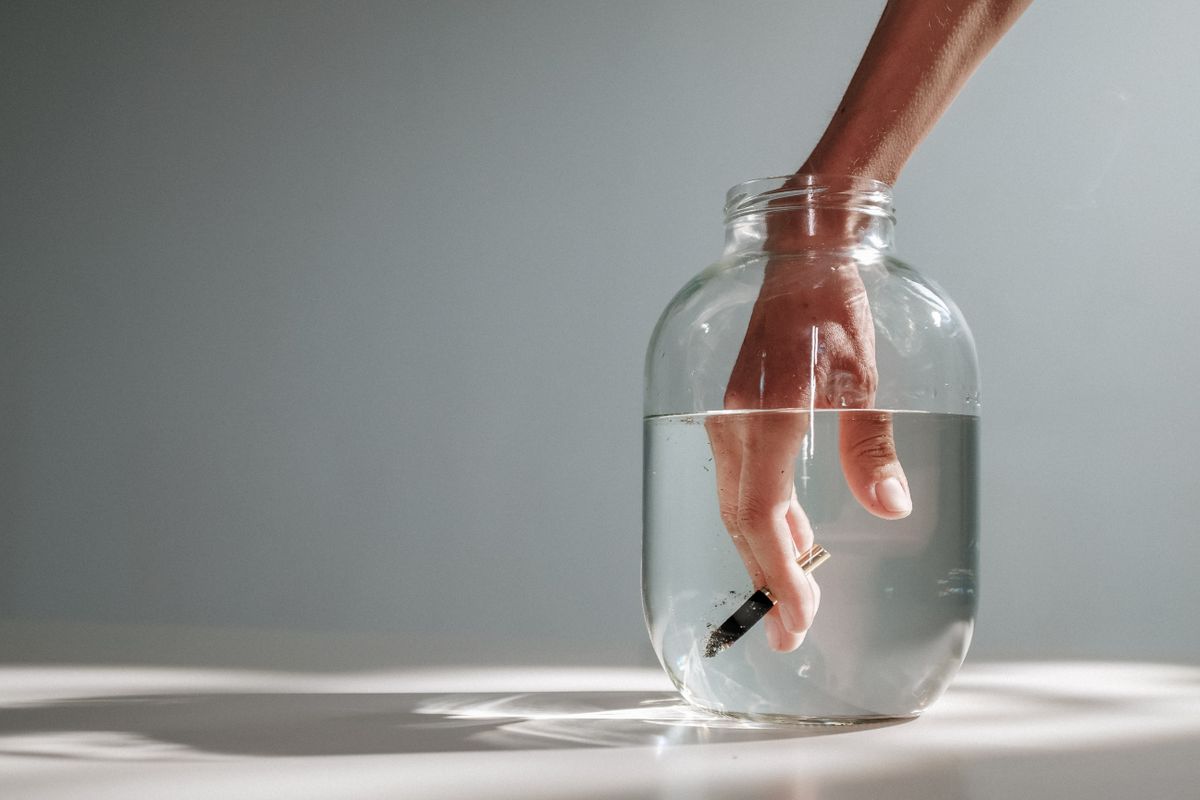
Refraction examples are all around you: a straw looks snapped in a glass of water, a swimming pool looks shallower than it really is, and a rainbow arcs across the sky. Refraction is the bending of light as it passes from one transparent material into another, and it happens because light changes speed at the boundary. Here's where we're going: a clear definition, 20+ everyday refraction examples, why light bends in the first place, and how to draw it.
What is refraction of light?
Refraction is the bending of light when it crosses from one medium into another — air into water, water into glass — because its speed changes at the boundary. Light travels fastest in a vacuum, at 299,792,458 metres per second, and slows in transparent materials: to about 225,000 km/s in water and 197,000 km/s in glass.
Here's the picture that makes it click. Imagine a car rolling at an angle off smooth tarmac onto soft sand. The wheel that reaches the sand first slows first, so the whole car pivots toward that side. Light does the same at the surface of a pond: the part of the wave that reaches the water first slows first, and the beam swings. Physicists call this refraction, and refraction is one of the core properties of light. For quick language: another word for refraction is simply the bending of light, and its rough opposite is reflection.
20 everyday examples of refraction
The best way to understand refraction is to spot it. Here are 20 everyday refraction examples, grouped by where you'll meet them — each with the one-line reason it happens.
Refraction in water
- A straw looks bent where it enters a glass of water — light from the underwater part bends as it leaves the surface.
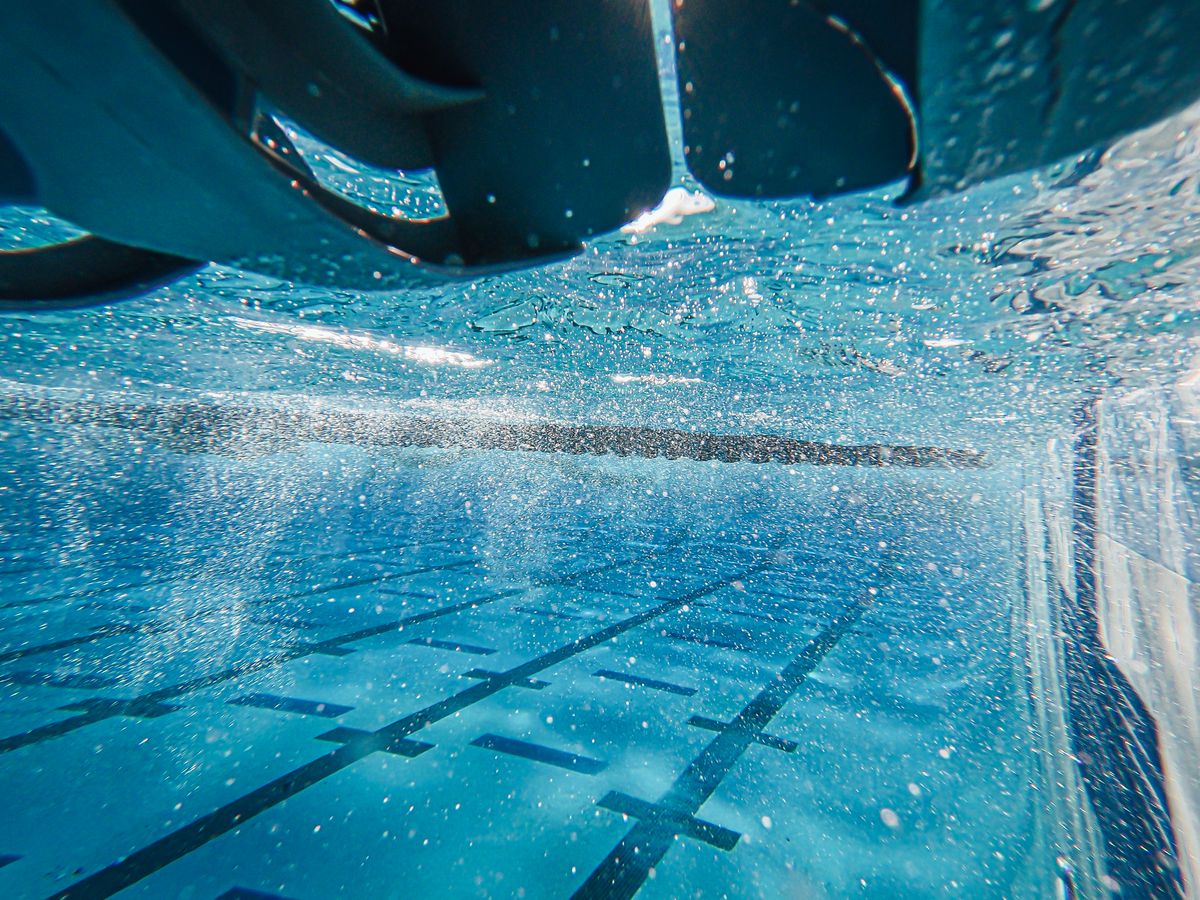
- A swimming pool looks shallower than it is, because light from the bottom bends away from the surface, raising the apparent floor.
- A spoon in a glass appears snapped or displaced at the waterline.
- Fish look shifted from where they really are — spearfishers learn to aim below the fish.
- A coin in a bowl seems to rise into view when you pour water in, lifted by refraction.
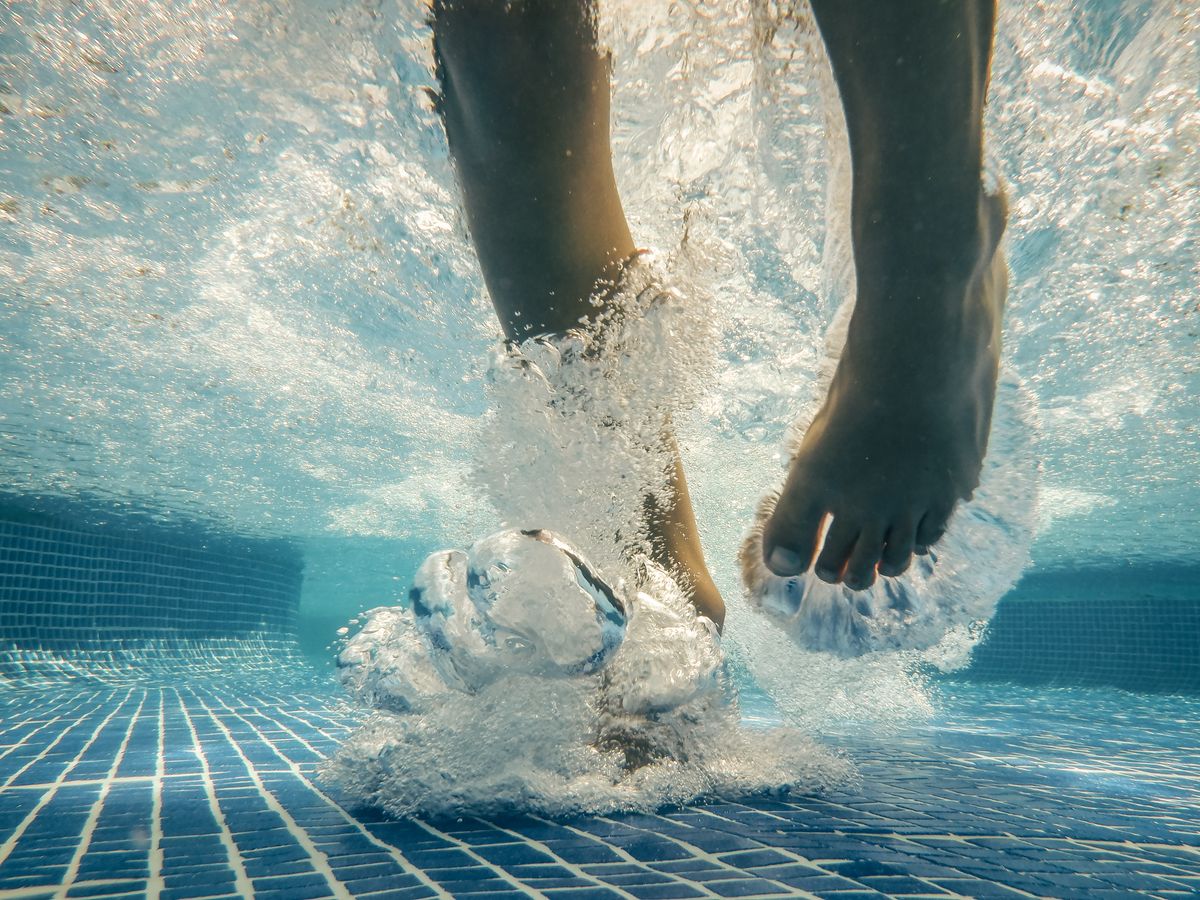
- Your legs look short and bent when you stand waist-deep in a pool.
Refraction in lenses and glass
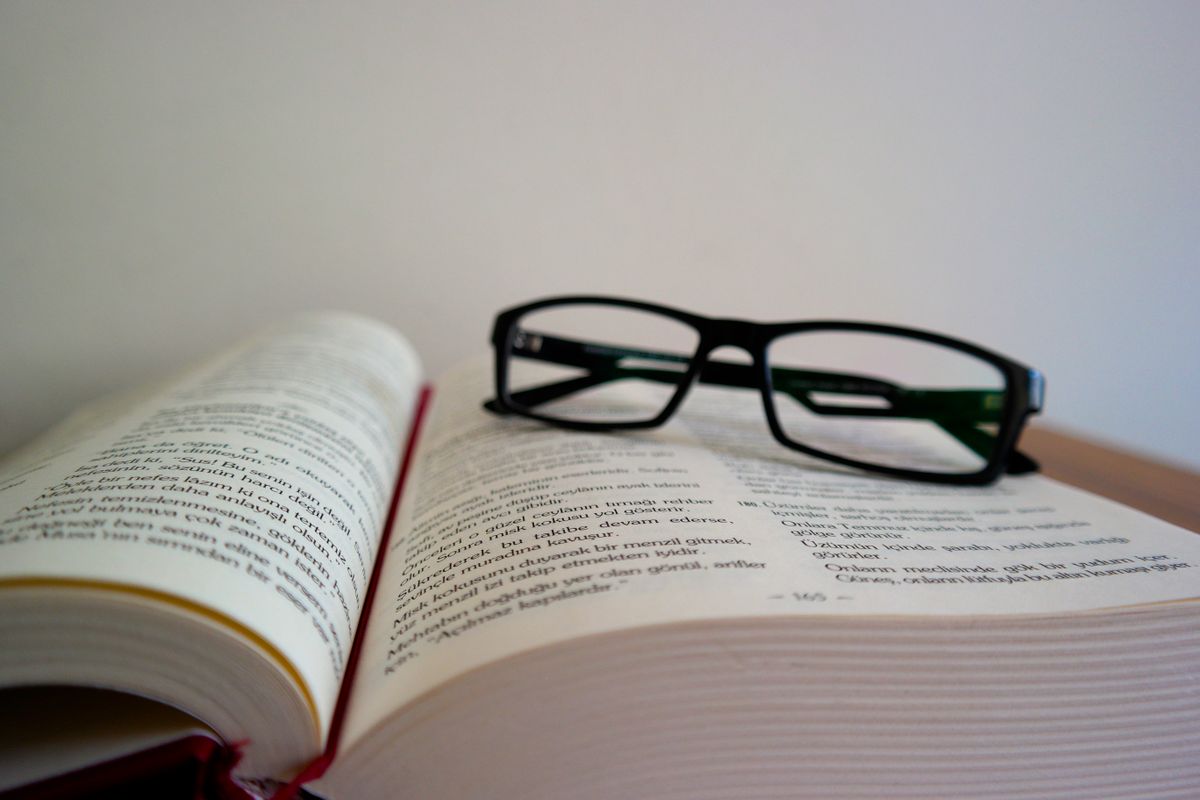
- Eyeglasses and contact lenses bend light to focus a sharp image on your retina.
- A magnifying glass enlarges text by refracting light through a curved lens.
- Camera and phone lenses refract light to form a picture on the sensor.
- Microscopes and telescopes stack lenses, each one refracting light, to reveal the very small and the very far.
- A glass marble or paperweight shrinks and shifts whatever sits behind it.
- A full glass of water distorts the view of anything seen through it.
- A door peephole uses a tiny wide-angle lens to refract a whole hallway into view.
Refraction in nature and the sky
- Rainbows form as sunlight refracts entering a raindrop, reflects inside, and refracts again on the way out.
- Mirages shimmer on hot roads and deserts, where light bends through layers of air at different temperatures.
- The setting Sun looks flattened into an oval — its lower edge is lifted more by the atmosphere than its top.
- You can still see the Sun after it has set — atmospheric refraction bends its light over the horizon for a few extra minutes.
- Stars near the horizon shimmer and shift, their light bent by the turbulent atmosphere.
- A prism splits white light into a band of colour, because each wavelength refracts by a different amount.
- A cut diamond sparkles with "fire" — its very high refractive index bends and splits light strongly inside the stone.
That's 20, and the list keeps going: heat haze rising off a barbecue, the shimmer above a hot car bonnet, and the streaks you see when sugar dissolves in water are all refraction too. (For the colour-splitting members of this list, see our guide to the types of light.)
Why does light bend when it refracts?
Here's what's actually happening. Light bends because it changes speed when it enters a new material, and the amount of bending follows a tidy rule called Snell's law: n₁ sin θ₁ = n₂ sin θ₂, where n is each material's refractive index. Going into a slower (denser) medium, light bends toward the perpendicular; coming back out, it bends away.
A common misconception is worth clearing up: people picture light slowing in glass because photons bounce off the atoms like billiard balls. That's not it — bouncing would scatter the light, not cleanly slow it. What really happens is subtler: the light wave drives the electric charges in the material, those charges re-radiate their own little waves, and the combination of the original and re-radiated waves travels more slowly. In plain terms, the medium responds to the wave, and the combined wave moves slower — so the beam turns. (Wikipedia's article on refraction and the refractive index page go deeper.)
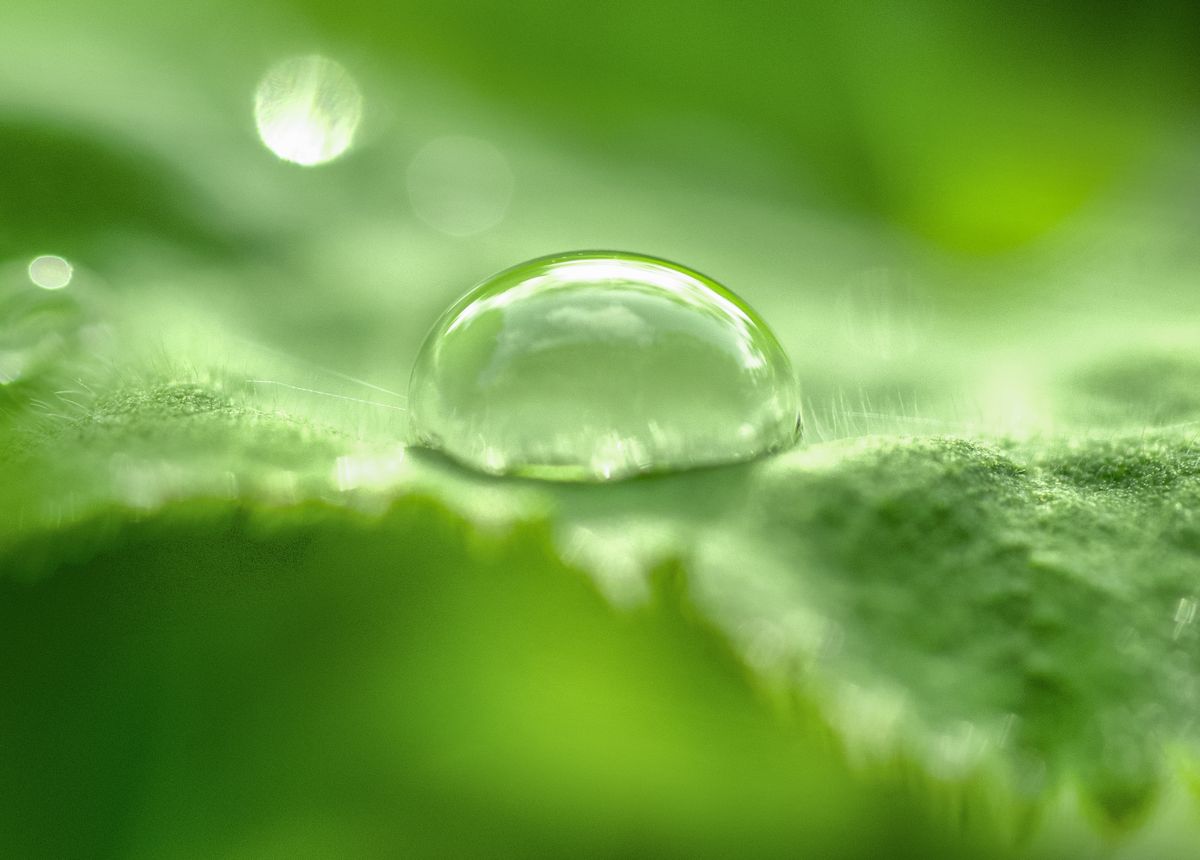
Worked example. Light passing from air (n ≈ 1.00) into water (n = 1.333) at 30° to the perpendicular bends to about 22°. Plug into Snell's law: sin θ₂ = (1.00 × sin 30°) ÷ 1.333 = 0.375, so θ₂ ≈ 22°. The denser water pulls the ray closer to straight-on.
Refraction in lenses, glasses, and your eyes
The most useful refraction examples are the ones we engineer. A lens is just a precisely curved piece of glass or plastic that refracts every ray passing through it by the right amount to bring them to a focus. A convex (bulging) lens converges light to a point; a concave (hollowed) lens spreads it out.
Your own eye is a lens doing this constantly — its cornea and lens refract incoming light onto the retina. When that focus lands slightly off, glasses or contacts add exactly the extra refraction needed to fix it. The same trick scaled up gives us cameras, microscopes, and telescopes. Light bending through curved glass is the quiet workhorse behind almost every device that helps us see.
How to draw a refraction diagram
A clear refraction diagram has just five parts, and drawing one cements the idea:
- Draw the boundary — a horizontal line for the surface between the two media (say, air above, water below).
- Draw the normal — a dashed line at 90° to the boundary, where the ray hits.
- Draw the incident ray coming down to that point, and mark the angle of incidence between it and the normal.
- Draw the refracted ray continuing into the second medium, bent toward the normal if it's entering a denser material.
- Label the angle of refraction between the refracted ray and the normal.
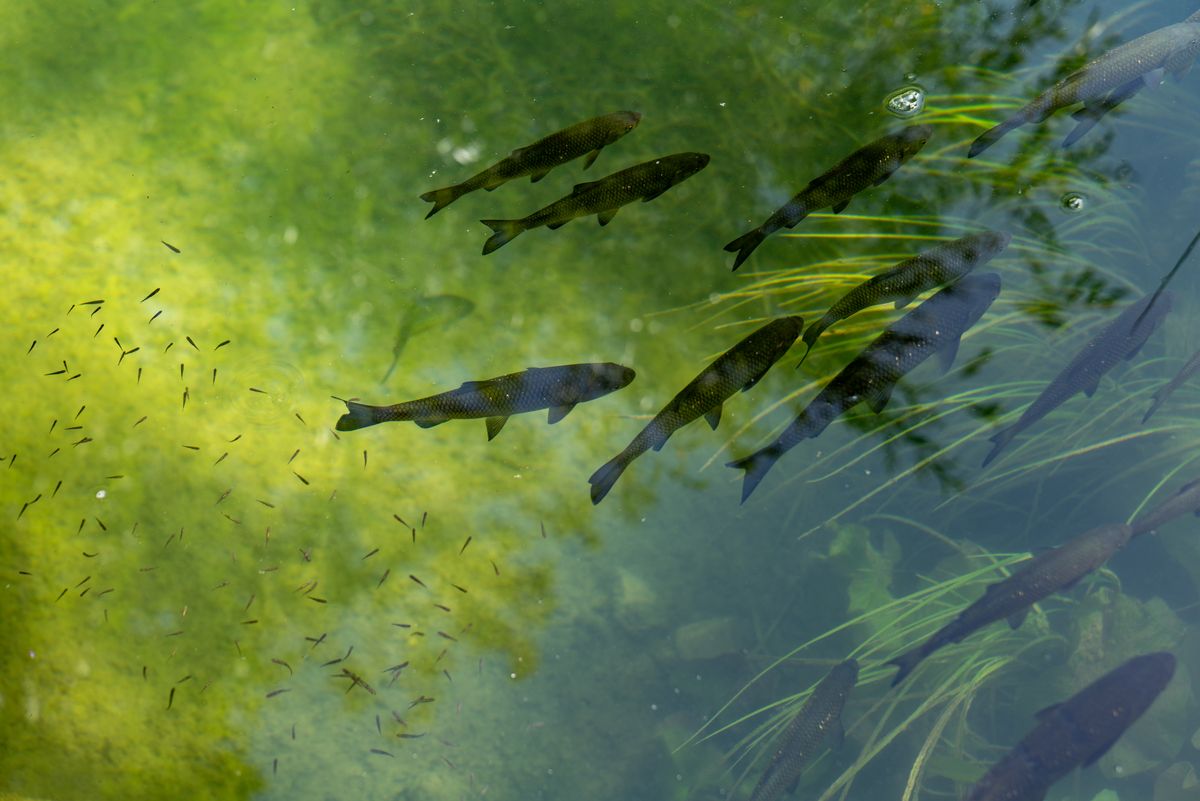
That single picture explains every example above. The fish in a pond, for instance: your eye traces the refracted ray back in a straight line, so the fish appears higher and nearer than it truly is.
One original diagram for this article: a split panel. On the left, the clean ray diagram (boundary, normal, incident ray, refracted ray bending toward the normal). On the right, the same physics shown as a real scene — a straw in a glass — with the underwater part visibly offset, and a dotted line showing where your eye thinks the straw is versus where it really is.
Refraction's close cousins — reflection and dispersion — round out the story of what light does at a boundary. Start with what light energy is, revisit the properties of light, or browse all our optics guides.
Frequently Asked Questions
What are 5 examples of refraction?
Five everyday refraction examples are: a straw looking bent where it enters a glass of water, a swimming pool looking shallower than it really is, eyeglasses focusing light onto your eye, a rainbow forming as sunlight bends through raindrops, and a mirage shimmering on a hot road. In each, light changes speed crossing a boundary and so changes direction.
What is refraction of light in simple words?
Refraction is the bending of light when it passes from one transparent material into another — like from air into water or glass. It happens because light travels at different speeds in different materials. As the light slows down or speeds up at the boundary, it changes direction, which is why a straw looks broken at the water's surface.
Why does light bend when it refracts?
Light bends because it changes speed when it enters a new material. If it hits the surface at an angle, the part of the wave that reaches the slower material first slows first, so the whole beam pivots — like a car driving off smooth tarmac onto sand at an angle. The exact bend follows Snell's law, set by the two materials' refractive indices.
What is another word for refraction?
The closest everyday synonym for refraction is 'bending' — specifically the bending of light at a boundary. Related terms include deflection and, when colours split apart, dispersion. Its rough opposite is reflection, where light bounces back off a surface instead of passing through and bending.
How do you use refraction in a sentence?
For example: 'Refraction makes the straw in my drink look snapped at the surface,' or 'The lens in a camera relies on refraction to focus light onto the sensor.' In each sentence, refraction names the bending of light as it crosses from one material into another.
Is a rainbow an example of refraction?
Yes — a rainbow is one of nature's best refraction examples. Sunlight refracts (bends) as it enters each raindrop, reflects off the back, then refracts again as it leaves. Because each colour bends by a slightly different amount, the white light fans out into the familiar arc of colours.

About Umar Farooq
Umar Farooq writes in-depth guides on the physics of light and optics — from reflection, refraction, and lenses to diffraction, lasers, and fiber optics, explained from first principles.
Read more about Umar Farooq →