Diffraction
Page 2 of 2 — articles on diffraction, sorted newest first.
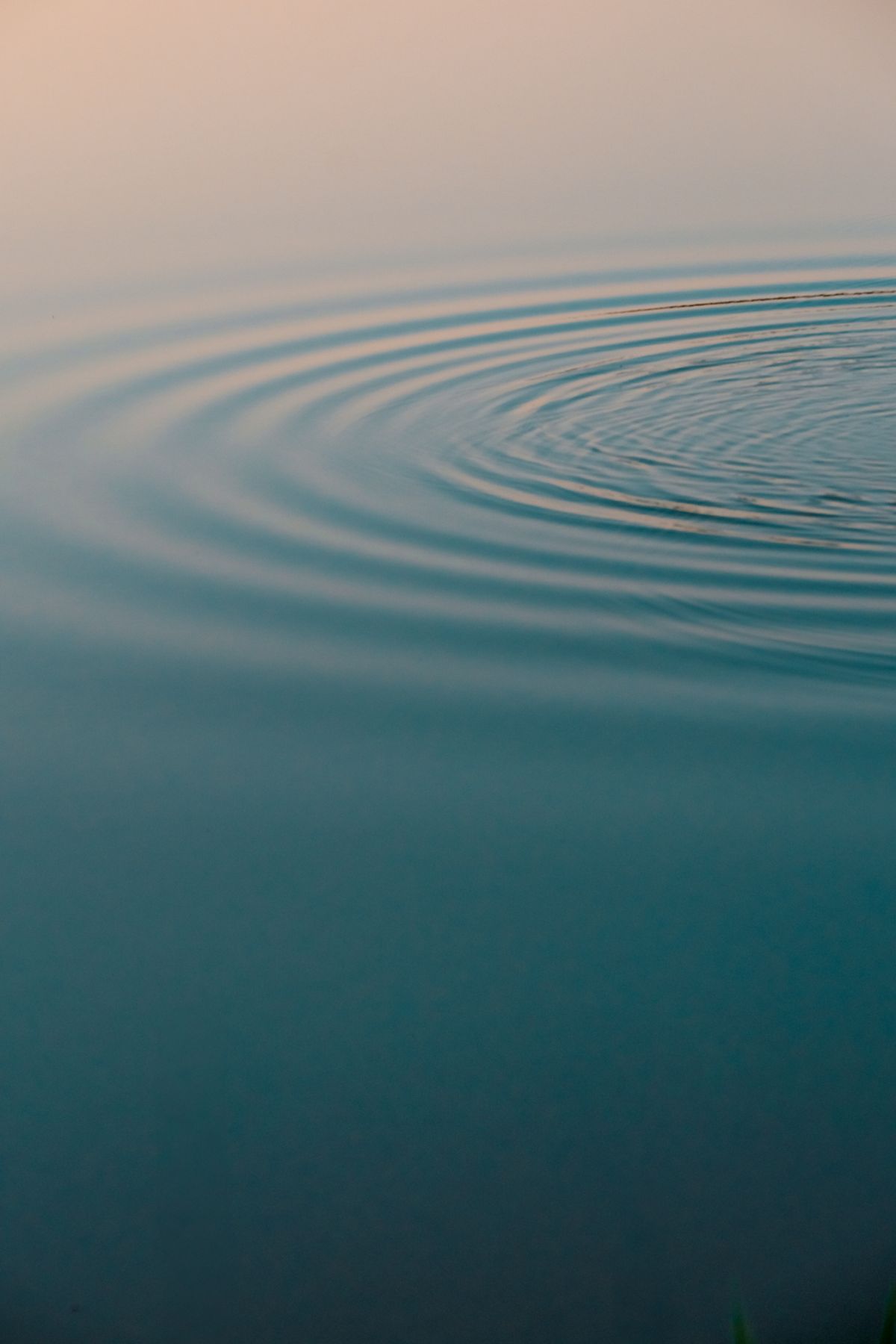
Diffraction of a Wave: How Waves Bend Around Obstacles (Guide)
Diffraction of a wave is the bending and spreading that happens when a wave meets an obstacle or passes through an opening. Water waves spread through a harbour mouth. Sound waves bend around a doorframe. Light waves spread through a narrow slit. All waves diffract, but the amount depends on one thing: the size of the obstacle relative to the wavelength. Here is how diffraction works for water waves, sound waves, and light waves — with the Huygens principle and real examples.
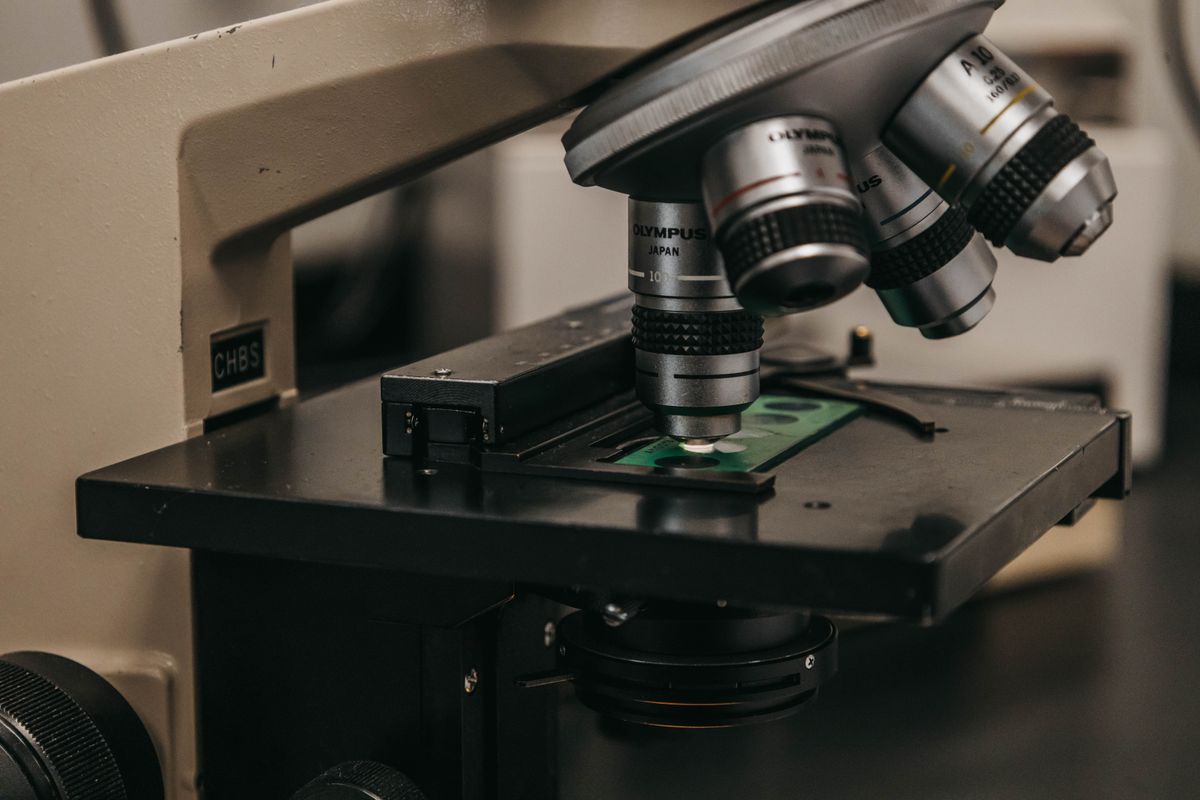
Diffraction Grating Spectrometer Guide: 5 Easy Facts & Uses
A diffraction grating spectrometer is an instrument that splits light into its component wavelengths to reveal what substances are made of. It works by passing light through a narrow entrance slit, collimating it into a parallel beam, diffracting it off a grating, and projecting the separated wavelengths onto a detector. The grating is the key component — its groove density and blaze angle determine how finely the light is spread. Spectrometers are used in chemistry to identify elements, in astronomy to analyse starlight, and in gemology to distinguish natural from synthetic diamonds. Here is how a diffraction grating spectrometer works, the main types, and 5 key uses.