Light Fundamentals
16 articles on light fundamentals, sorted newest first.
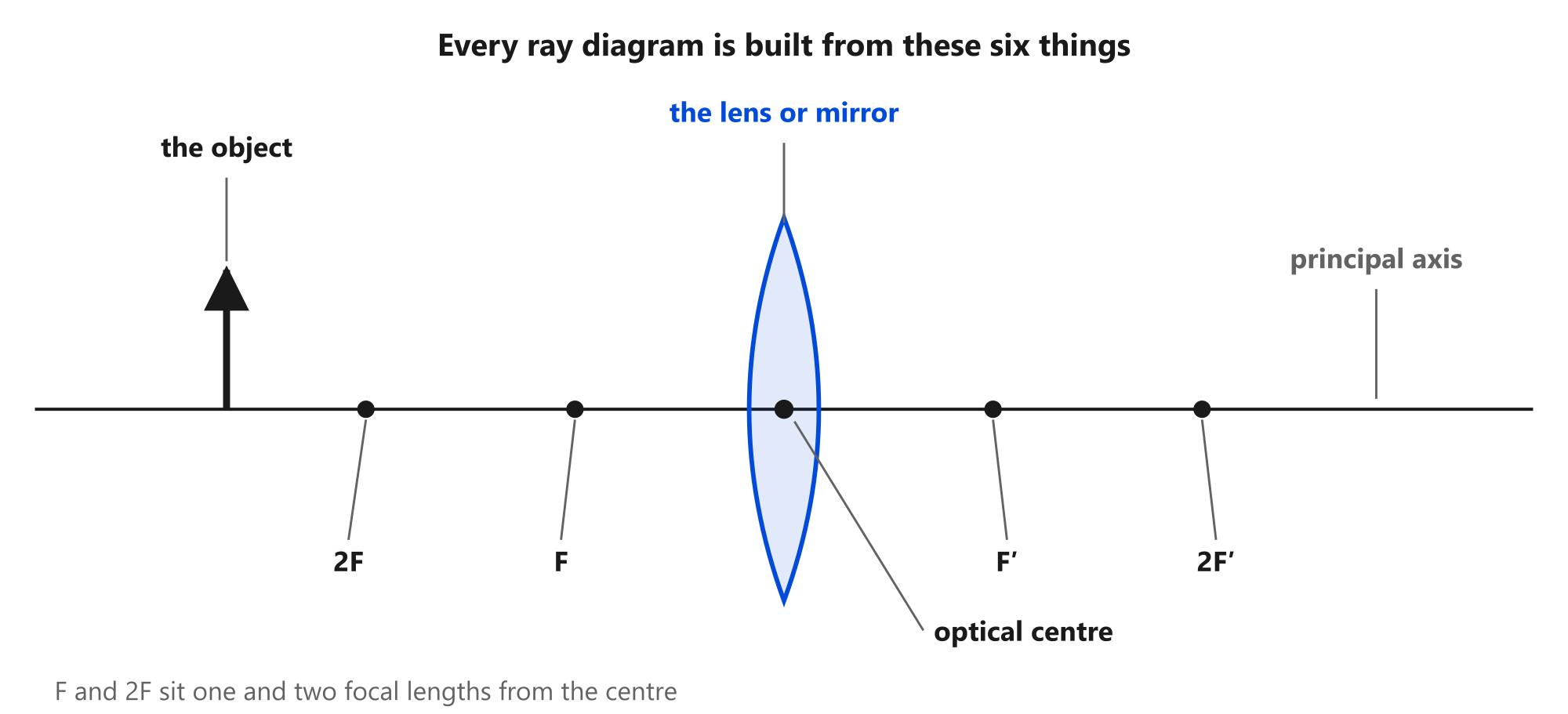
How to Draw a Ray Diagram (Mirrors, Lenses and Refraction)
A ray diagram traces the path light takes through an optical system so you can find where the image forms, how big it is, and which way up. The method is the same whether you are drawing a concave mirror, a convex lens or a ray crossing into glass: set up the axis and the focal points, send in two rays whose behaviour you already know, and mark where they cross. Here is that method, with a worked diagram for each type of optic.
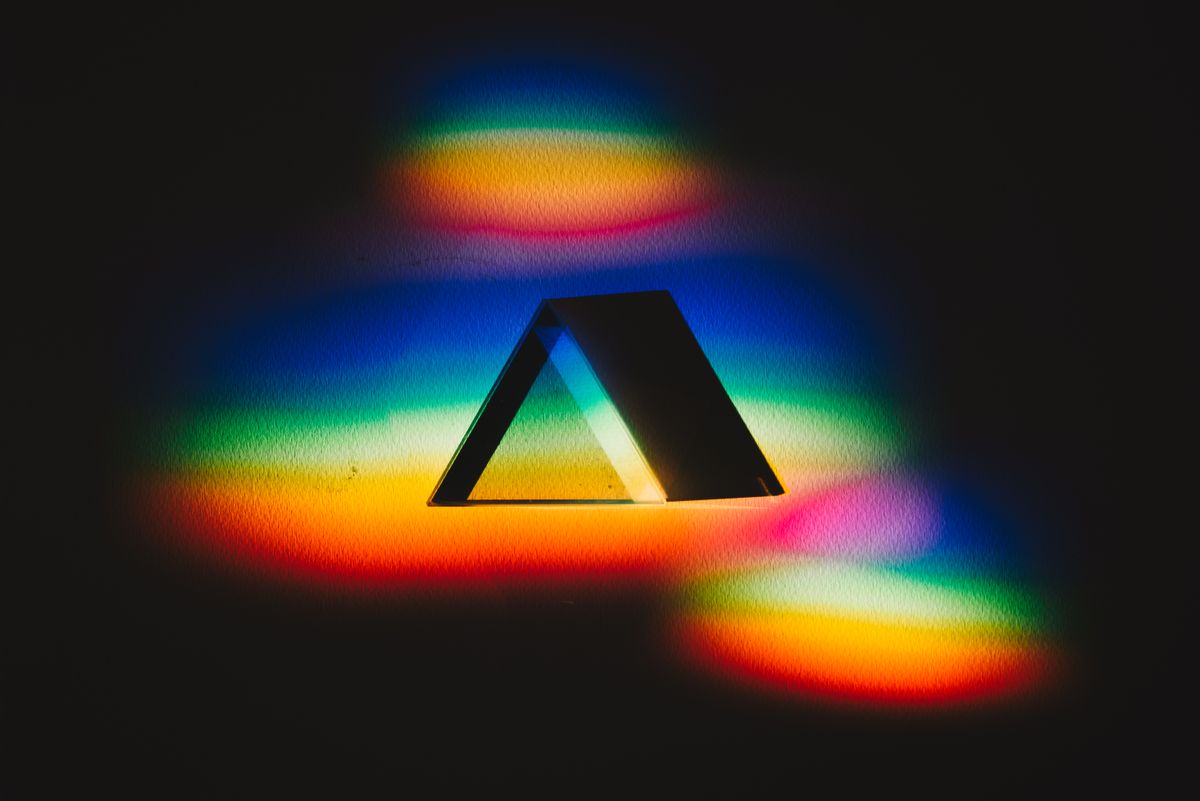
What Is Light? A Beginner's Guide to Optics in Physics
What is light, and what is the science that studies it? Light is electromagnetic radiation your eye can detect — and optics is the branch of physics built around it. Here's a beginner's tour of light, the laws it follows, and the field of optics.
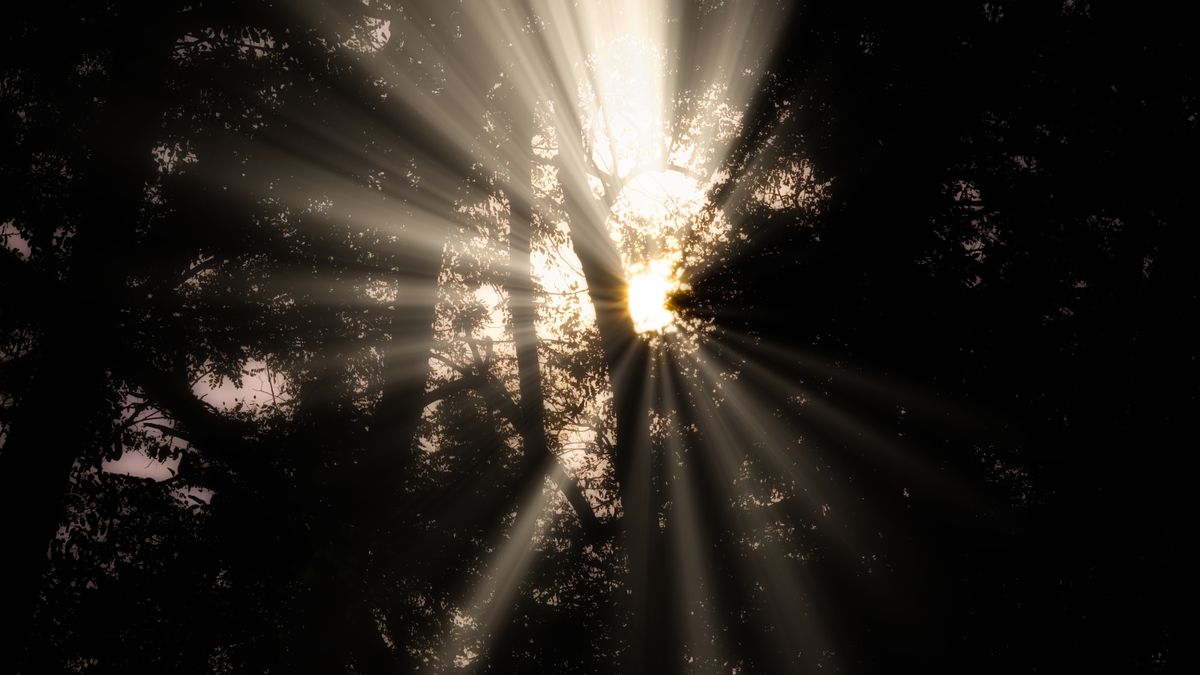
Light vs Matter: Why Light Has No Mass But Carries Energy
Is light matter? No — you can't weigh a sunbeam or hold it in your hand, because light has no mass and isn't made of atoms. Yet it carries real energy and even pushes on things. Here's how light can be so powerful and weigh nothing at all.
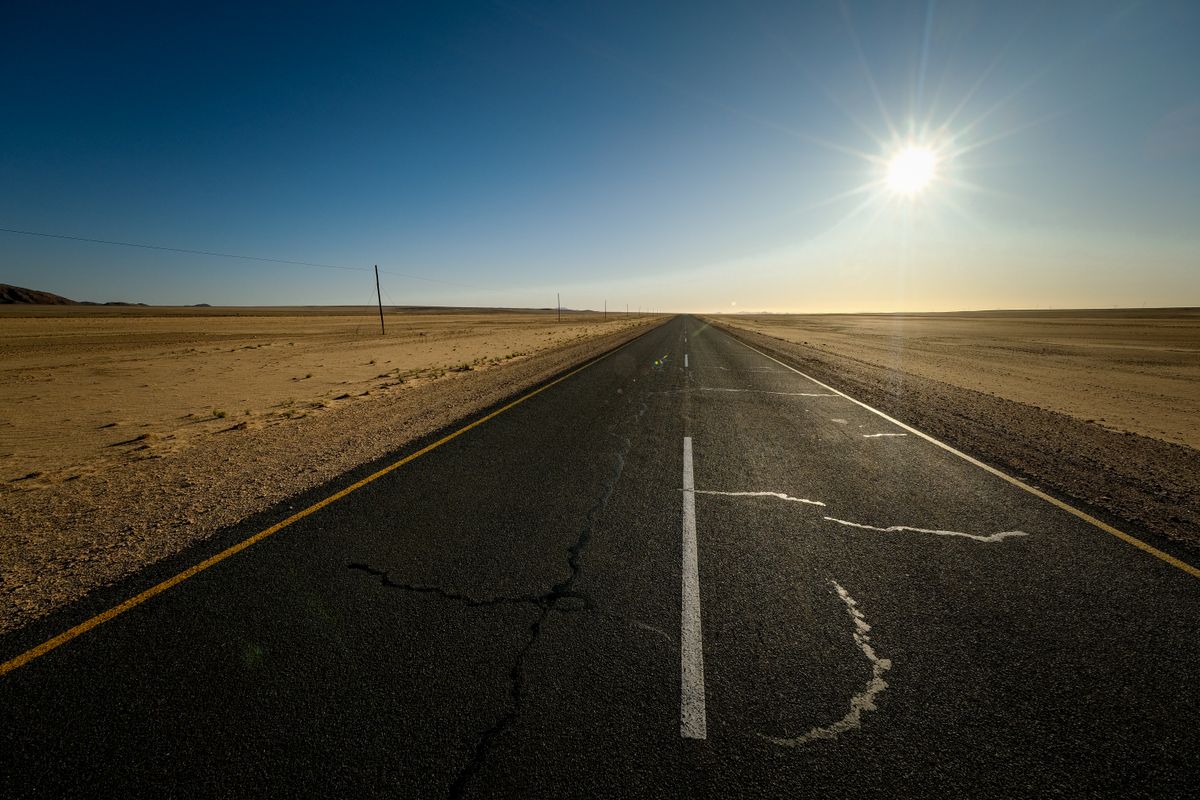
What Happens When Light Is Absorbed? Absorption Explained
When light is absorbed, it doesn't vanish — its energy is handed to the material it hits, usually turning into heat. Here's exactly where the light goes, why dark objects get hotter, and why things have colour.
Types of Light: Visible, UV, Infrared & The Full Spectrum
Visible light is just one slice of a much wider family. Here are the seven types of light across the electromagnetic spectrum — from radio waves to gamma rays — what each one is, and where you've already met it.
Light in Nature: Where Natural Light Comes From
Light in nature comes from far more than the Sun. From the glow of living things to curtains of aurora and the flash of lightning, here are 8 natural sources of light and the physics behind each one.
Is Light a Wave or a Particle? Wave-Particle Duality Explained
Is light a wave or a particle? The honest answer is both, depending on the experiment you run — and underneath, neither. Here's wave-particle duality built up from the evidence, the photon, and the famous double slit.
How Was Light Made? The Origin of Light in the Universe
Light wasn't always free to travel. It was forged in the fire of the Big Bang, trapped for nearly 400,000 years, then released across the whole universe at once. Here's the story of how light was made — in three acts.
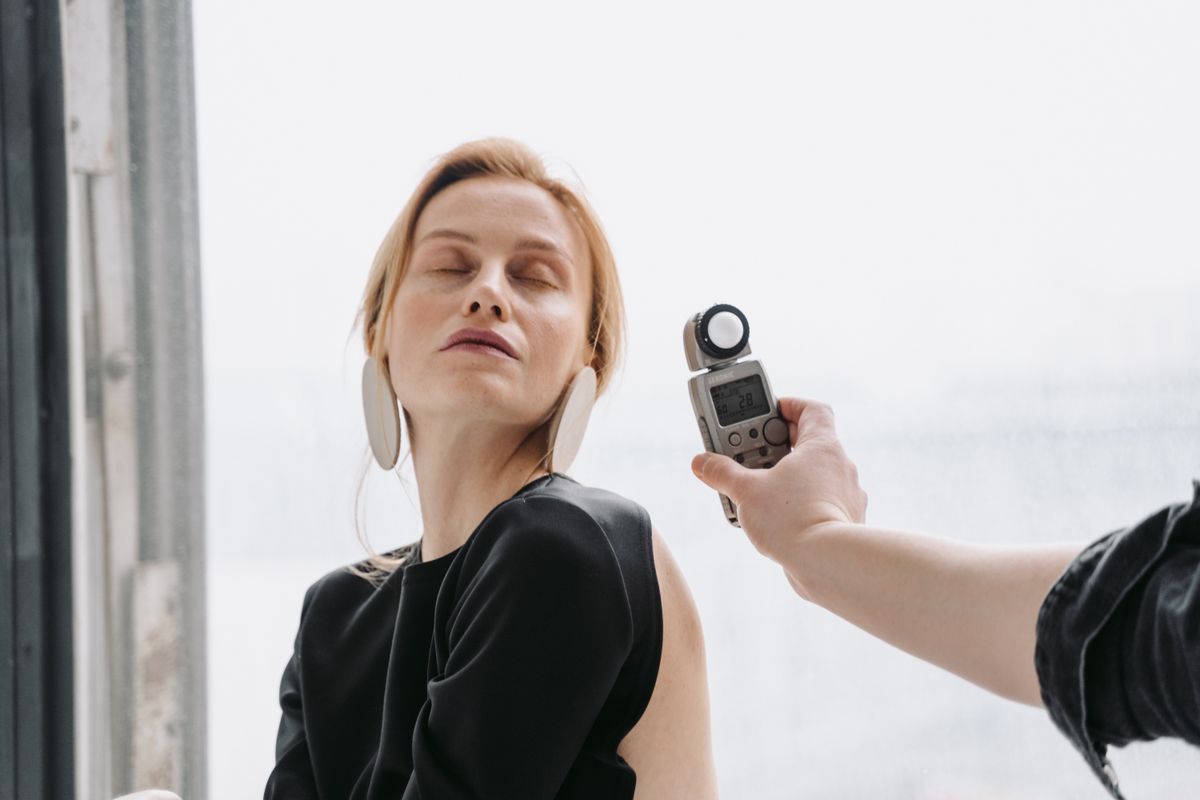
How Is Light Measured? Units, Tools and Examples
Light is measured in more ways than you'd think — total output in lumens, brightness on a surface in lux, beam intensity in candela, and colour in kelvin. Here are the 6 key units, the tools that read them, and real-world examples.
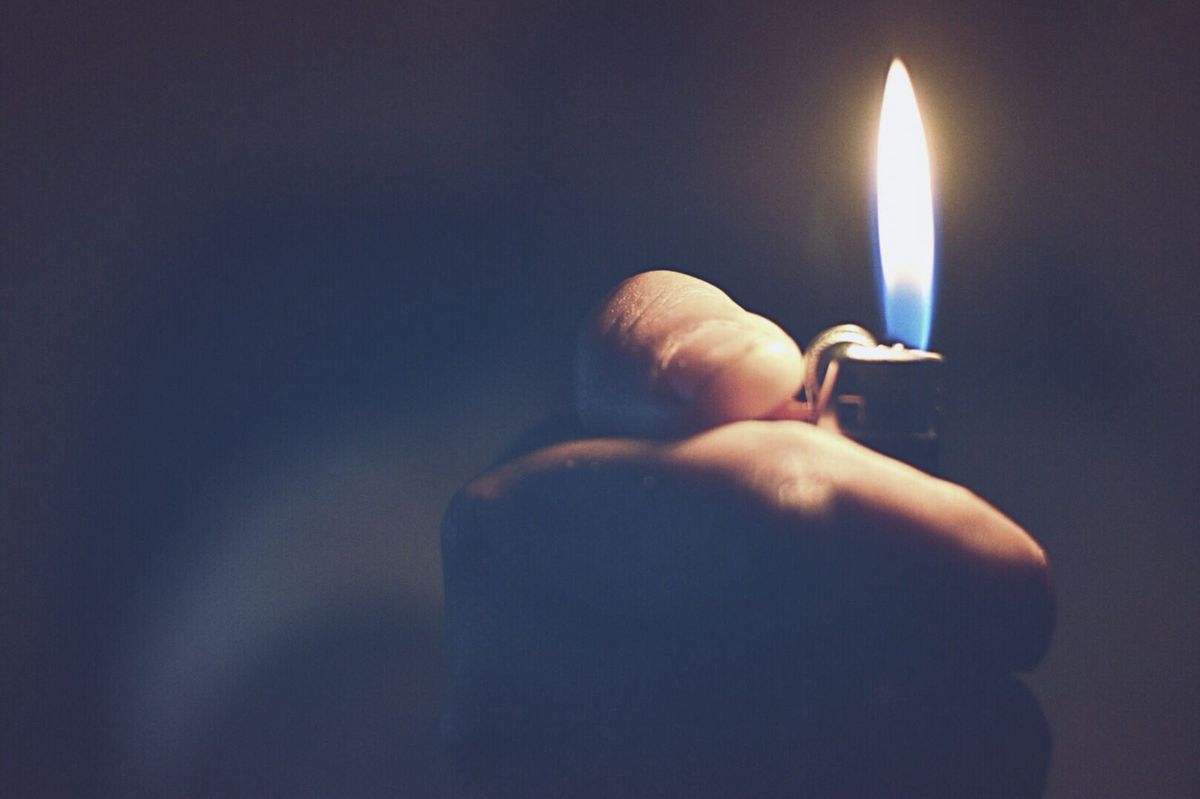
How Does a Lighter Work? (Flint, Butane & Electric)
One flick and you have fire on demand. Behind that small flame is a neat bit of chemistry and physics — a spark, a stream of fuel, and a flame. Here's how flint, butane, and electric arc lighters actually work.
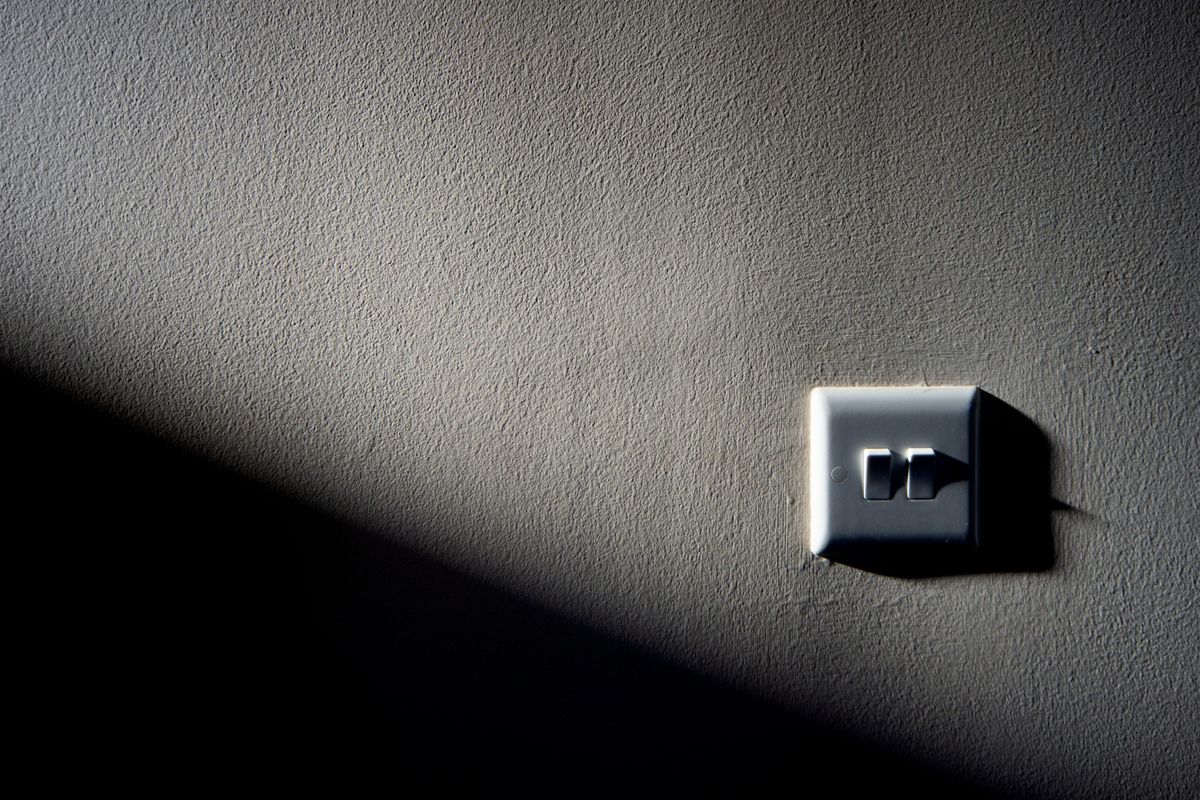
How Does a Light Switch Work? (Mechanical & Electronic)
A light switch does one deceptively simple job: it completes or breaks the loop of wire that feeds your bulb. Here's exactly how that works — from a basic one-way switch to two-way, dimmer, and smart switches.
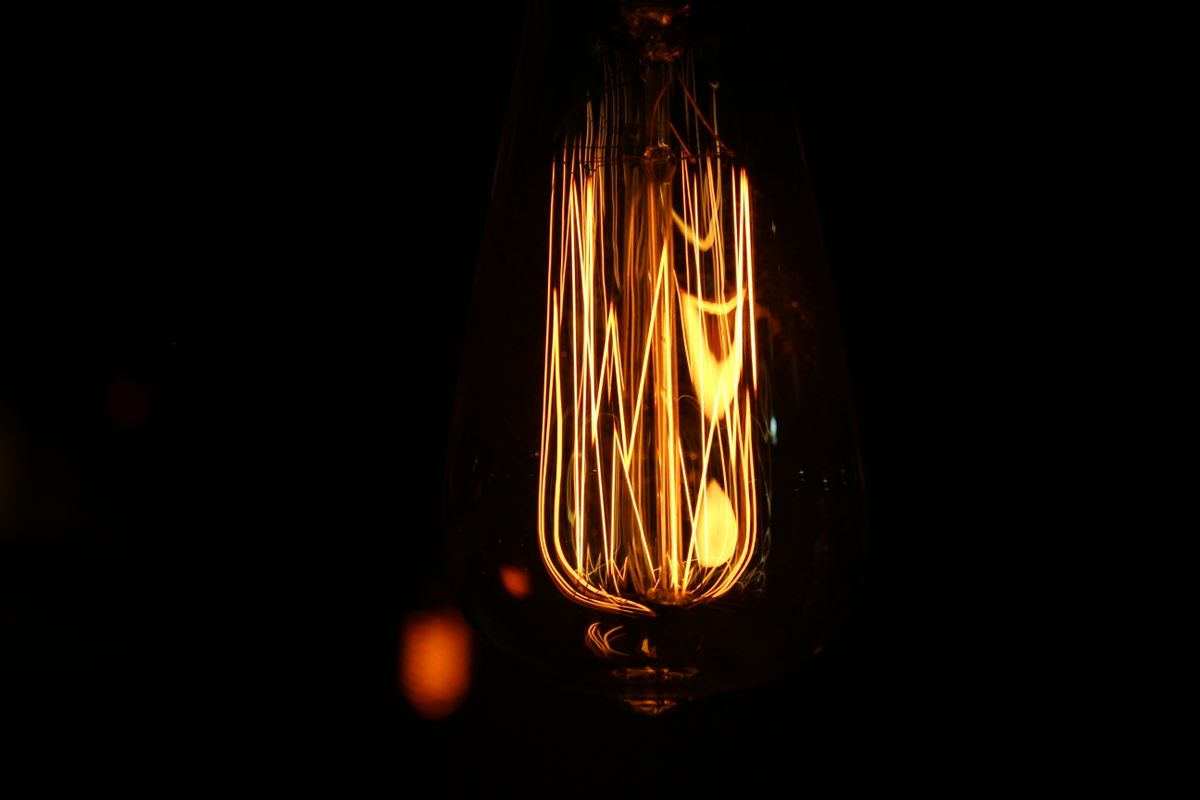
How Does a Light Bulb Work? (Incandescent, LED & Smart)
Flip a switch and a room floods with light — but the bulb doing it might work in one of three completely different ways. Here's how incandescent, LED, and smart light bulbs actually turn electricity into light.