Lasers
9 articles on lasers, sorted newest first.
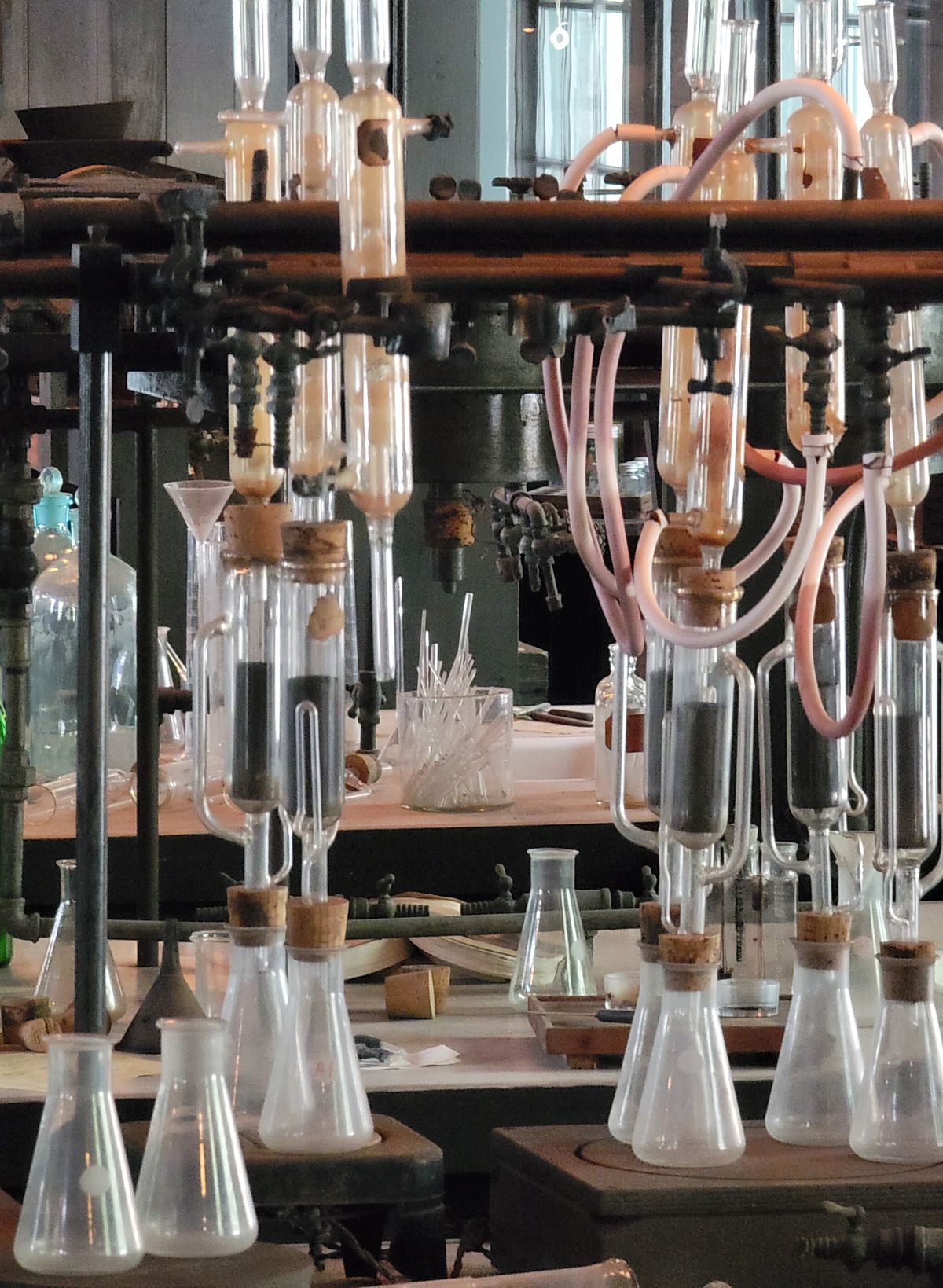
When Were Lasers Invented? 6 Key History & Invention Facts
The first laser was built on 16 May 1960 by Theodore Maiman at Hughes Research Laboratories, using a ruby crystal. But the story stretches back to Einstein's 1917 theory of stimulated emission. This guide covers the full history, key inventors, and what came next.
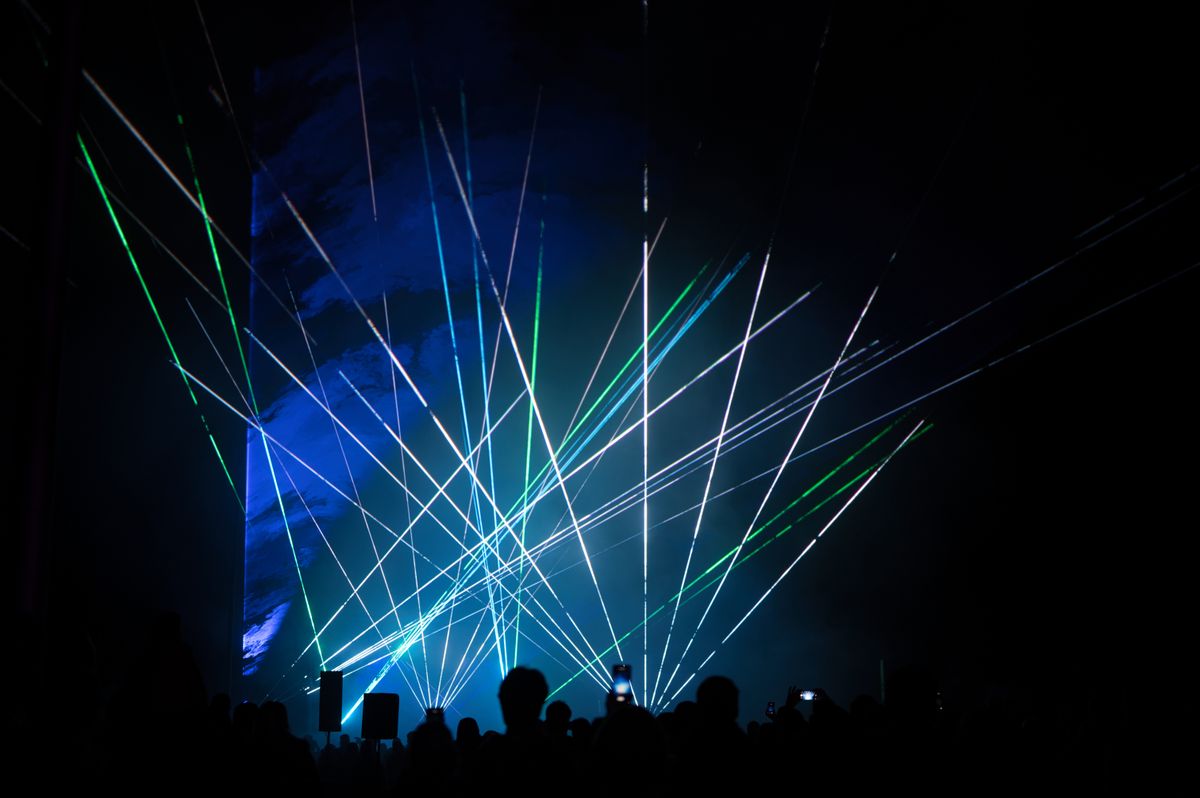
What Does LASER Stand For? 5 Powerful Acronym Facts
LASER is an acronym for Light Amplification by Stimulated Emission of Radiation. This guide breaks down each letter — what Light, Amplification, Stimulated, Emission, and Radiation mean in context — traces the word's origin from MASER to laser, explains how an acronym became an everyday verb, and covers the fun facts behind the term.
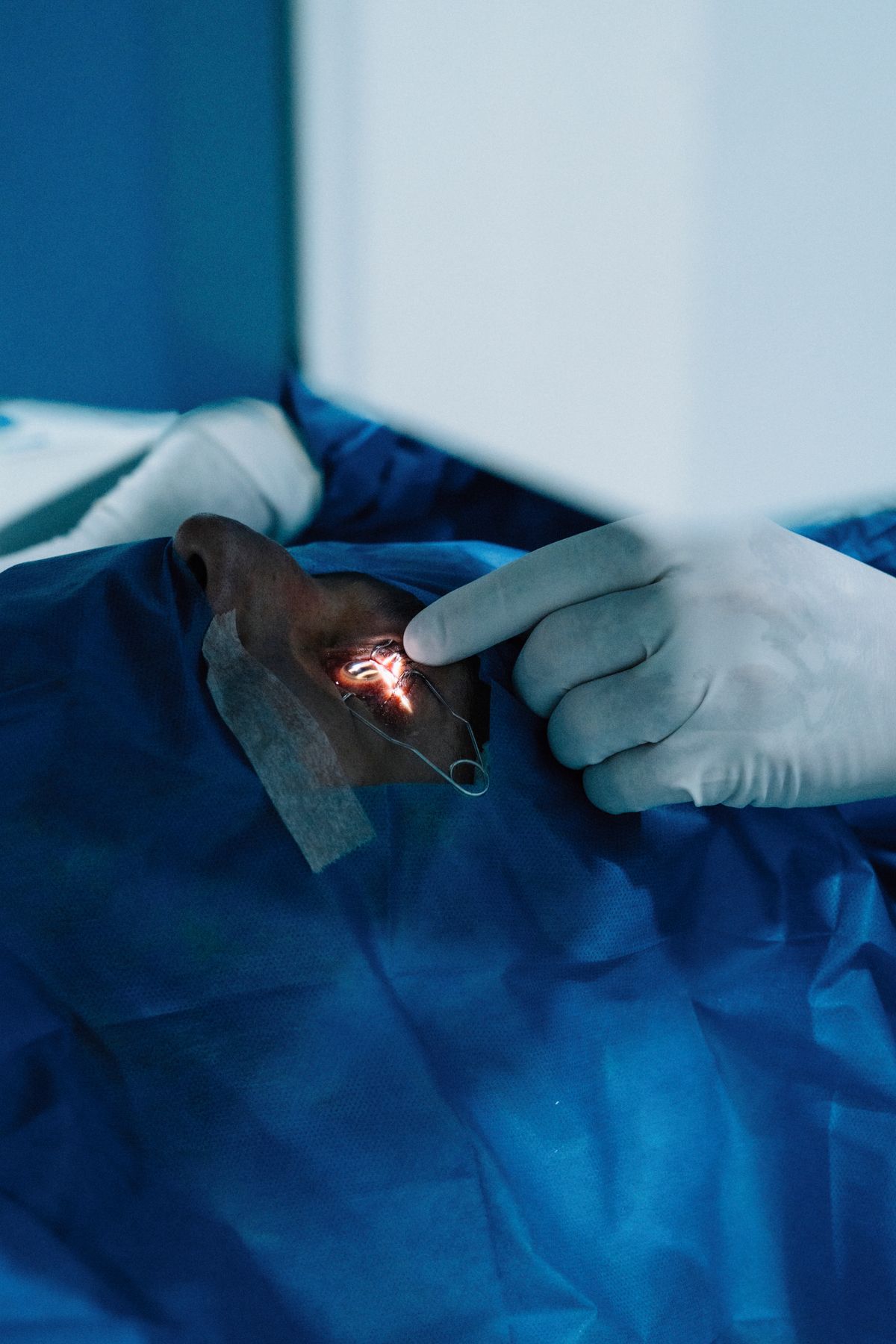
What Are Lasers Used For? 10 Powerful Everyday Applications
Lasers cut steel, correct vision, carry internet traffic, read barcodes, and project starry light shows. This guide covers 10 major areas where lasers are used — medicine, manufacturing, communications, data storage, retail, science, military, entertainment, construction, and everyday devices — explaining the physics behind each application.
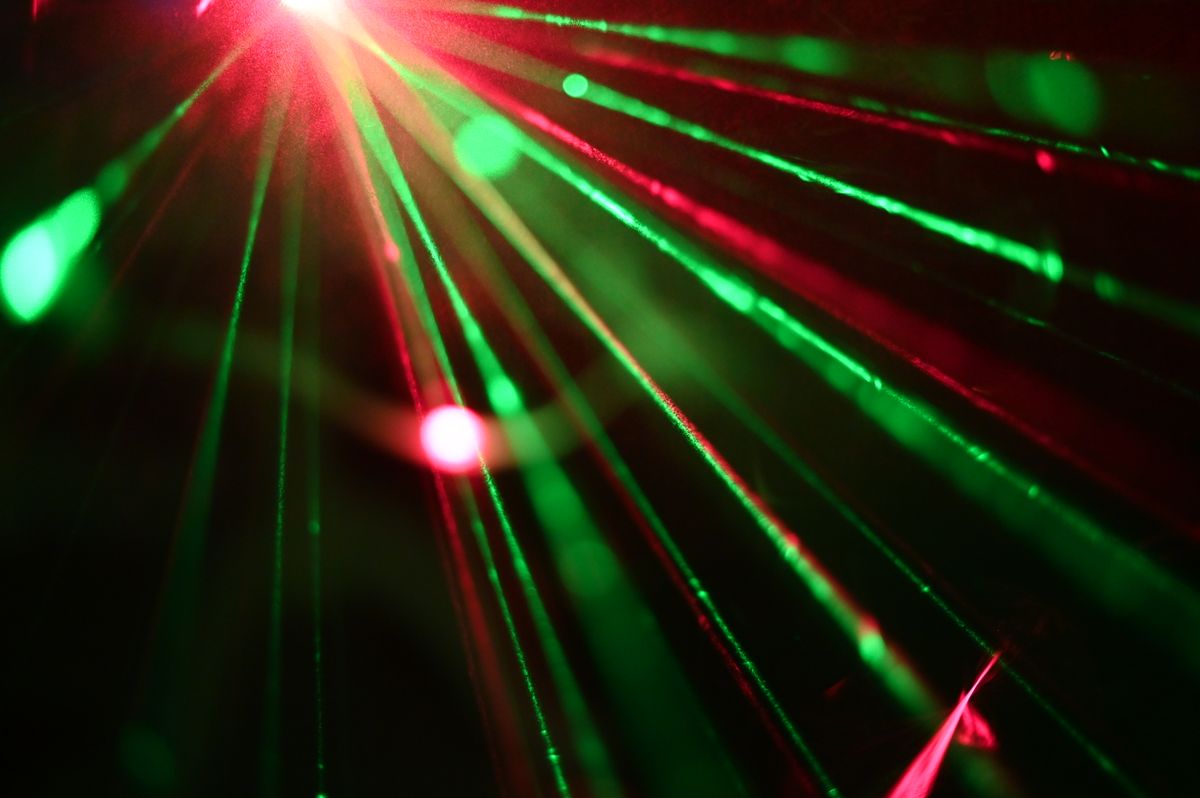
Types of Lasers: 7 Essential Gas, Solid-State & Diode Types
Lasers fall into 7 main types based on their gain medium: gas lasers (HeNe, CO2), solid-state (ruby, Nd:YAG), semiconductor diodes, dye lasers, fibre lasers, chemical lasers, and excimer lasers. This guide explains how each type works, what it is used for, and how to choose the right one for your application.
Laser Wavelength: 6 Key Facts on What Determines Color
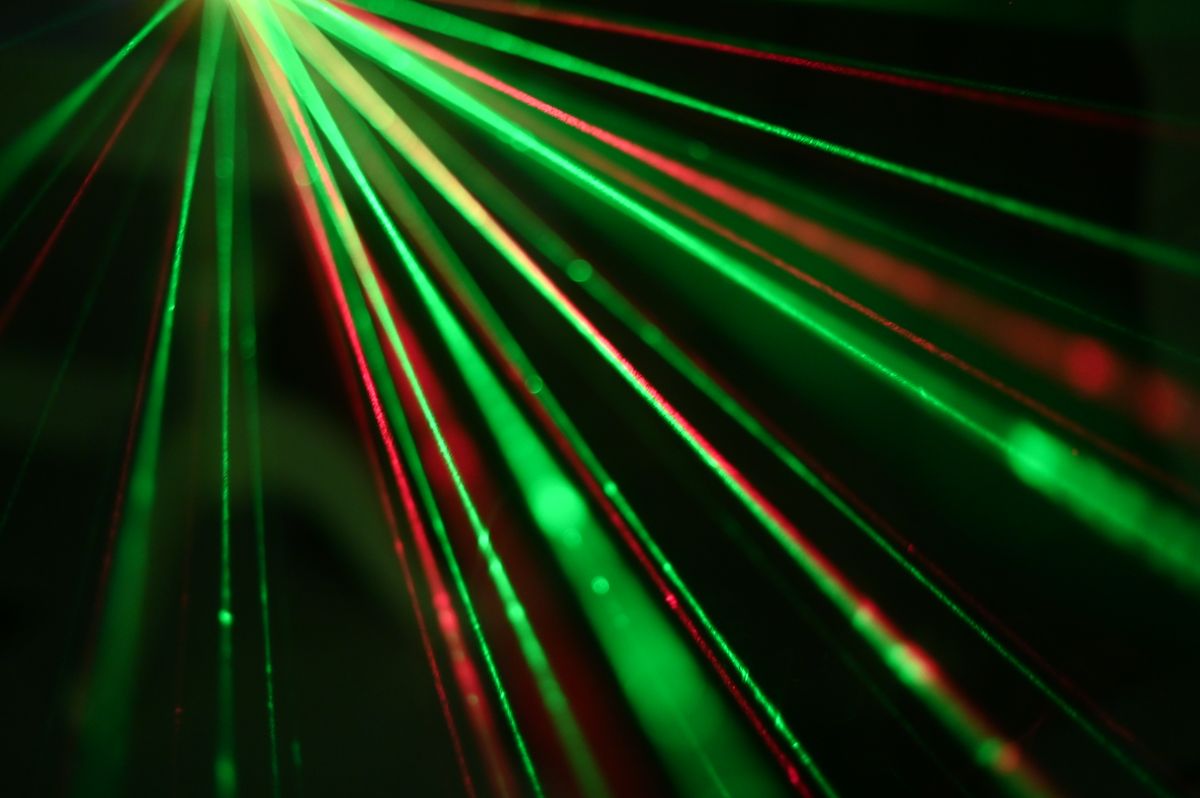
A laser's wavelength is determined by its gain medium — the specific atoms or molecules that produce the light. This guide explains how energy levels fix the wavelength, how wavelength maps to colour, and why different lasers produce different colours.
Laser or Lazer — 5 Quick Facts for Correct Spelling
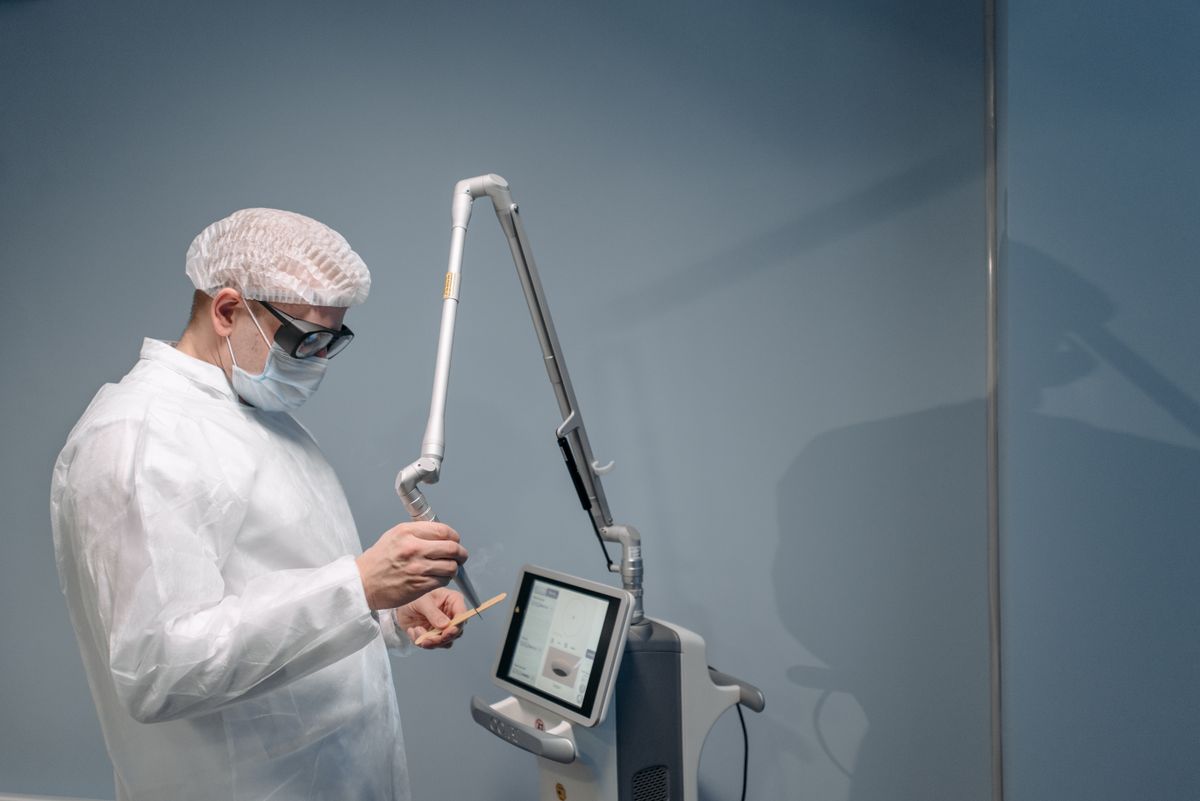
Laser is the correct spelling. Lazer is a common phonetic misspelling. The word LASER is an acronym for Light Amplification by Stimulated Emission of Radiation — and that 'S' comes from 'Stimulated'. This guide covers the origin of the word, why people misspell it, how to remember the correct spelling, and why it matters in professional writing.
Laser Light Explained: 5 Powerful Facts on How Lasers Work
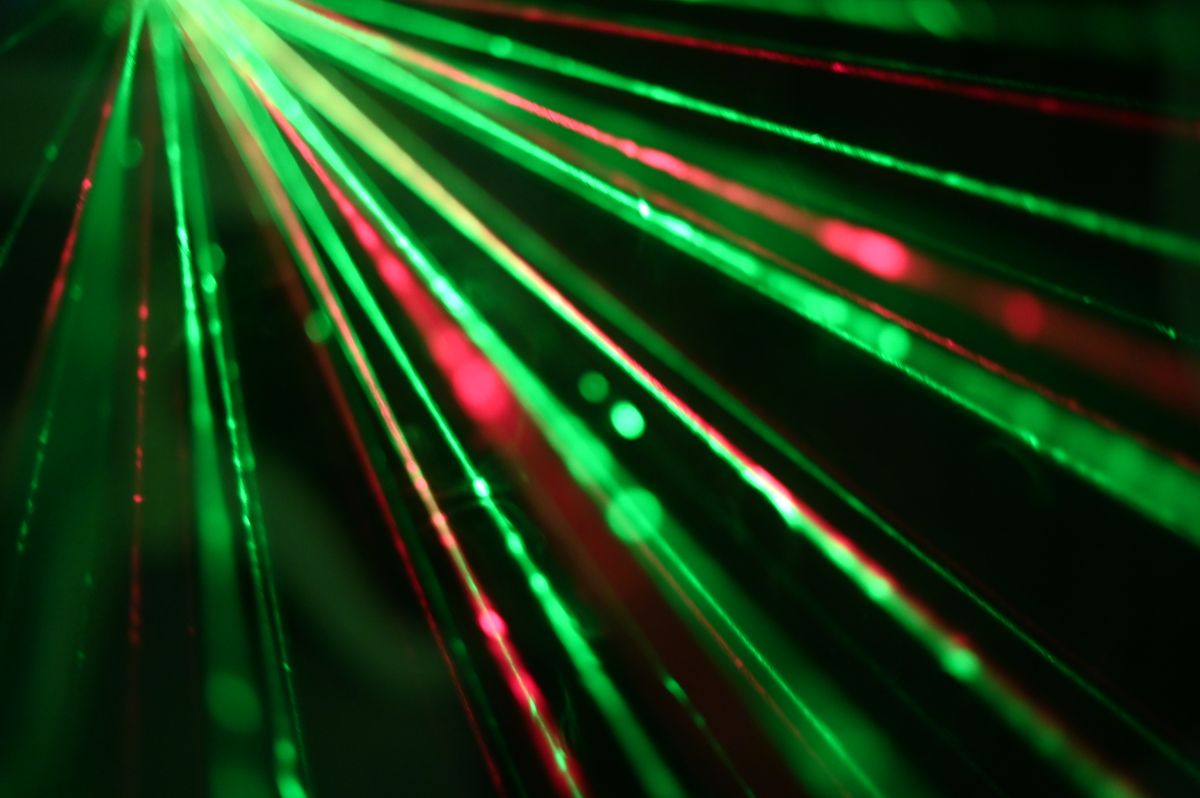
Laser light is different from every other kind of light on Earth. It is monochromatic, coherent, and collimated — properties no light bulb or the Sun can match. This pillar guide covers what laser light is, how lasers work through stimulated emission, the 3 essential components every laser needs, the 5 properties that make laser light unique, and a brief history of the first laser.
How Do You Make a Laser? 7-Step Simple DIY & Pointer Guide
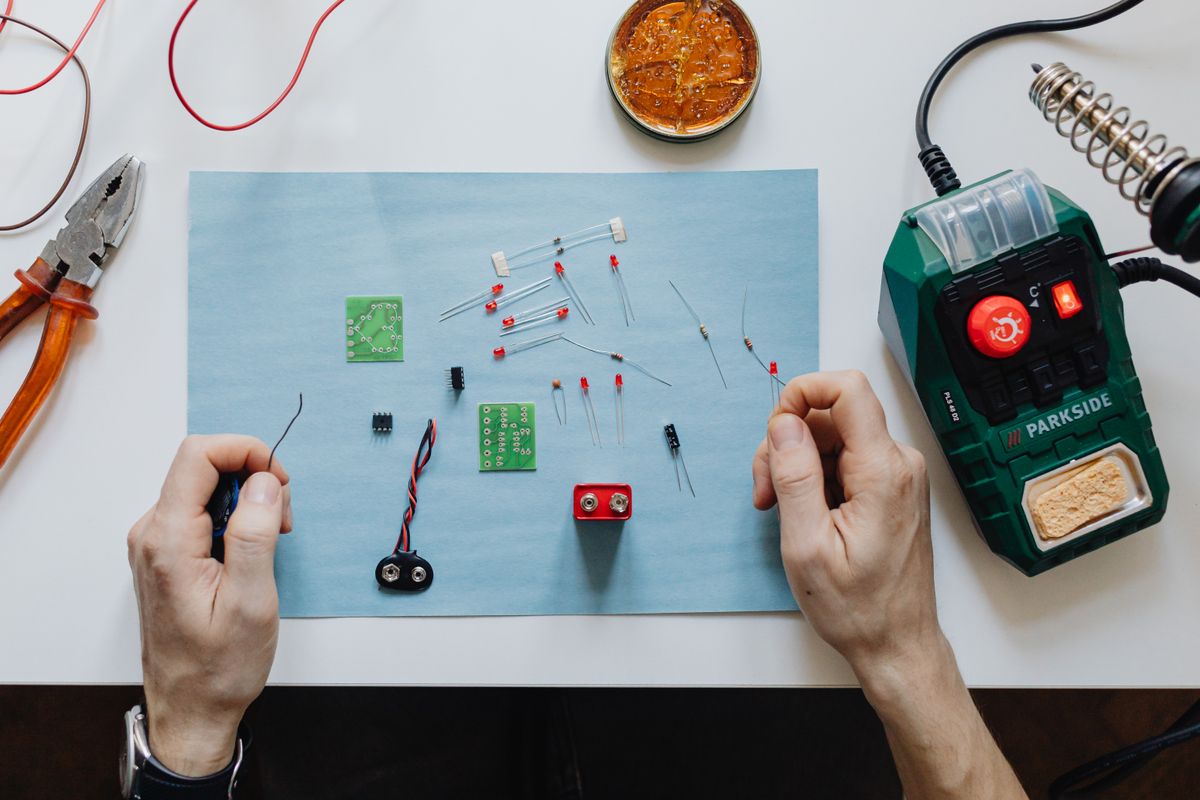
You can make a working laser from a DVD burner's laser diode in about an hour with basic tools. This guide covers the full process: extracting the diode from a discarded drive, building a simple driver circuit, housing it in a heatsink, and the physics of how laser pointers produce that intense red or green beam. Includes critical safety warnings.
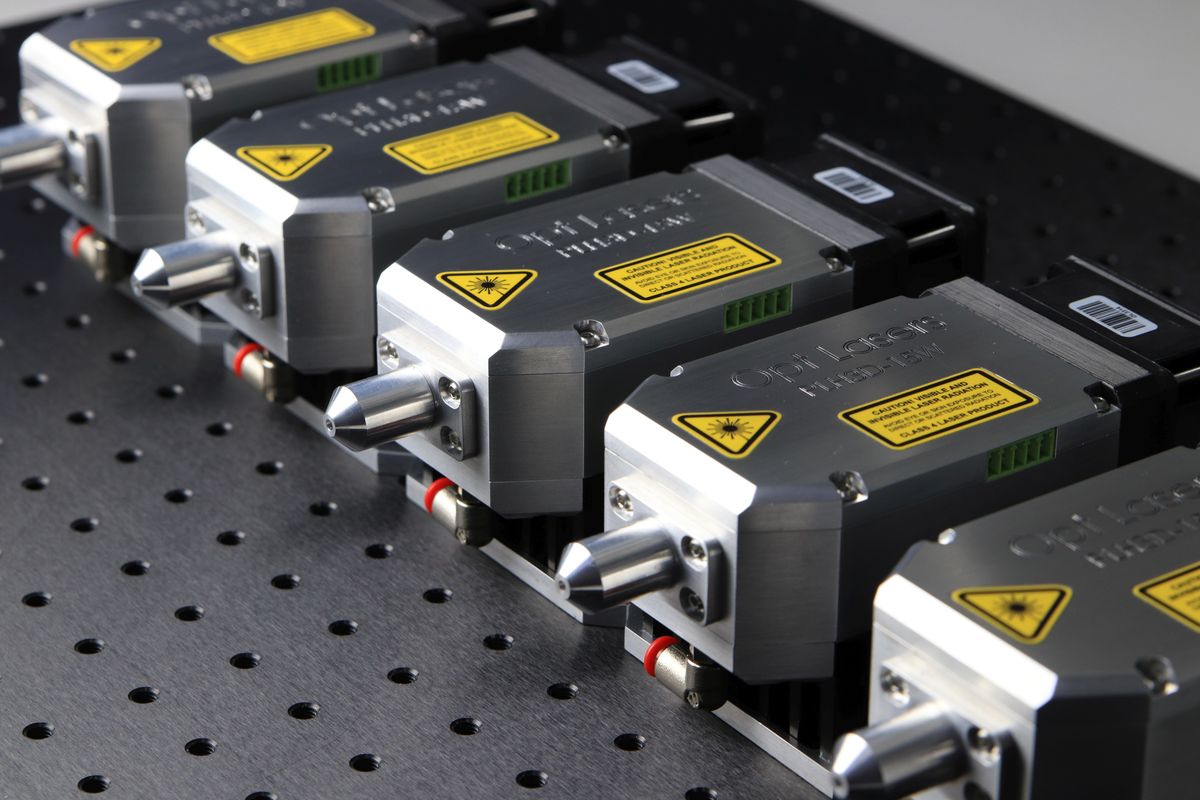
Construction of a Laser: 5 Key Components & Build Guide
Every laser is built from five key parts: the gain medium, pump source, optical cavity, cooling system, and power supply. This guide explains how these components work together, how construction differs between gas, solid-state, and diode lasers, and the step-by-step assembly of a typical laser.