Microscopes
6 articles on microscopes, sorted newest first.
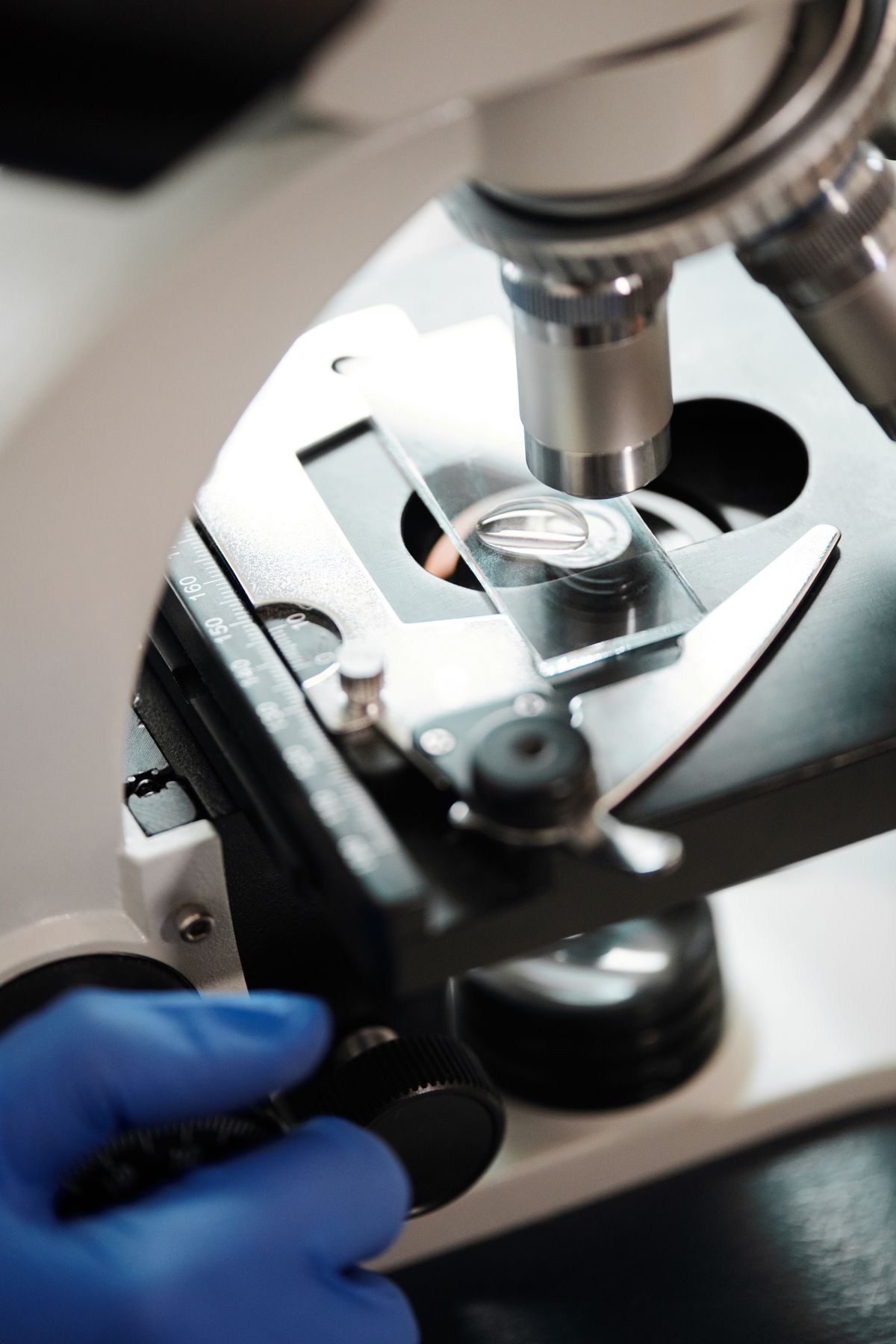
Essential Polarized Light Microscopy: 7 Powerful Facts
Polarized light microscopy uses two crossed polarising filters — a polariser below the specimen and an analyser above — to generate contrast in birefringent (doubly-refracting) materials. When plane-polarised light passes through an anisotropic specimen, it splits into two orthogonal wave components that travel at different speeds. The analyser recombines these components, producing interference colours and intensity variations that reveal structural detail invisible under ordinary brightfield illumination. This guide covers how it works, the key components, how birefringence creates contrast, and the major applications in geology, materials science, biology, and medicine.
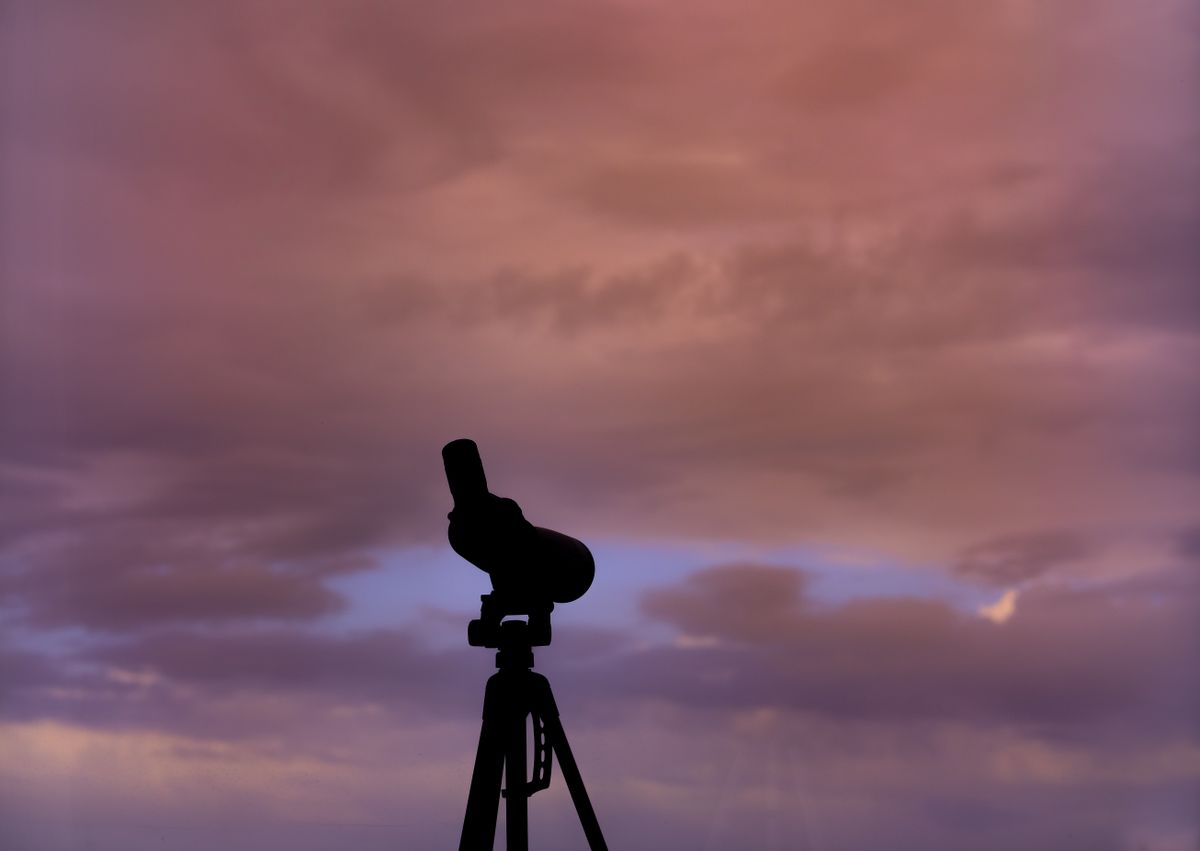
Microscope vs Telescope: 6 Powerful Differences
A telescope and a microscope look similar — both use an objective lens and an eyepiece to magnify — but they solve opposite problems. A microscope magnifies tiny objects placed right next to it; a telescope magnifies enormous objects that are extremely far away. This difference in object distance changes everything: the focal lengths, the lens sizes, the magnification formulas, and the resolution limits.
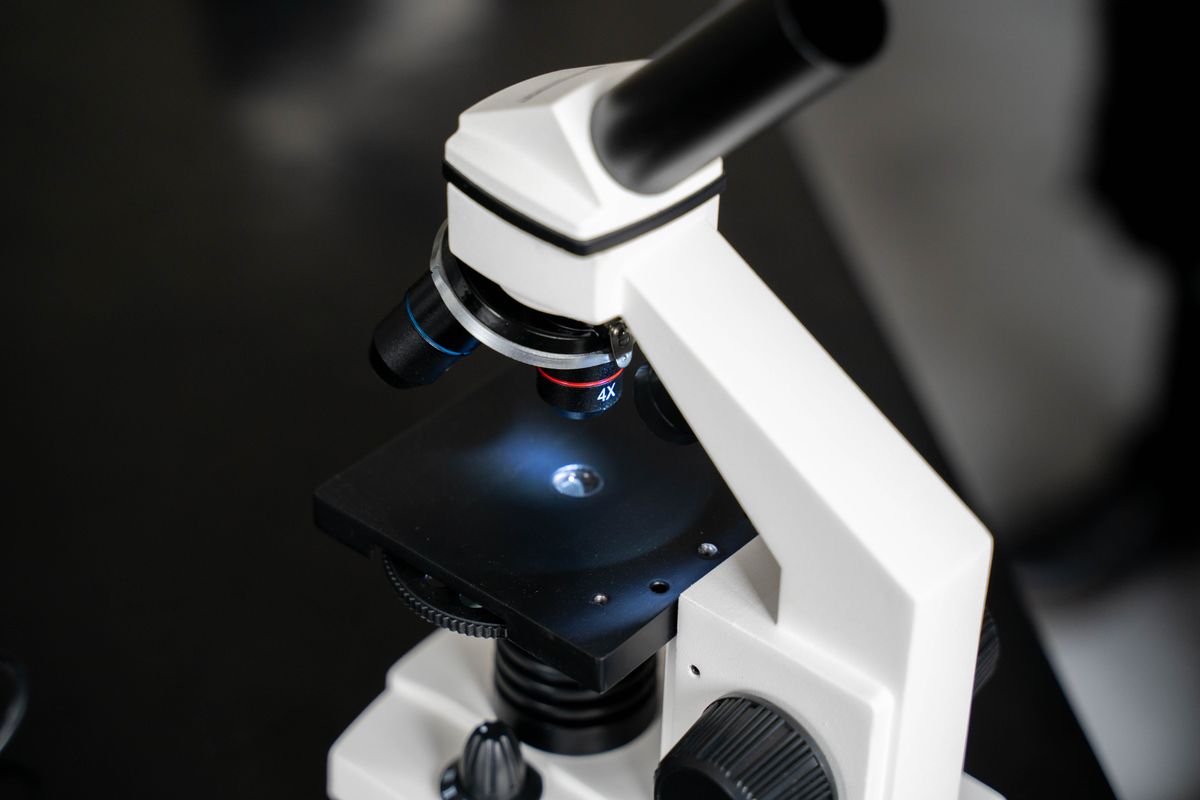
How Does an Electron Microscope Work? 7 Powerful Facts
An electron microscope uses a focused beam of electrons instead of light to image specimens at up to 50 million× magnification. This guide covers how electron microscopes work, the difference between SEM and TEM, sample preparation, and real-world applications in science and industry.
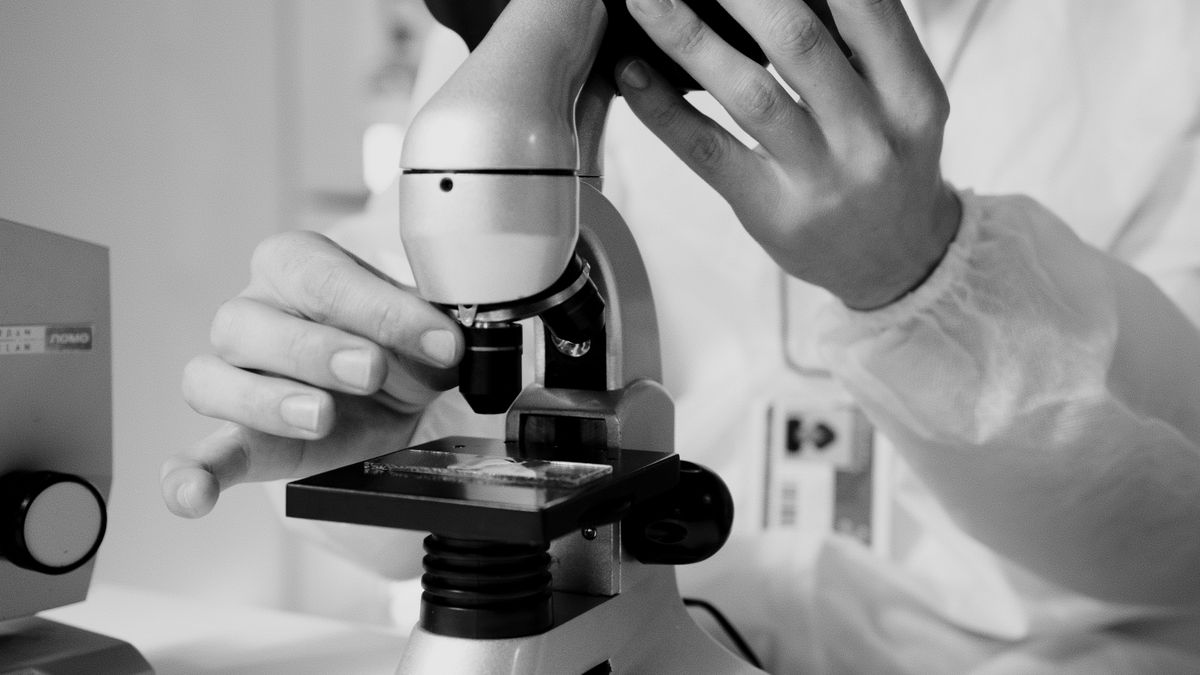
How Does a Microscope Work? 5 Powerful Simple Steps
A microscope works by using two lenses — the objective and the eyepiece — to magnify tiny objects. Light passes through the specimen, the objective lens creates a magnified real image, and the eyepiece further magnifies it for your eye. This pillar guide covers how does a microscope work from first principles, the function of each part, and how magnification and resolution differ.
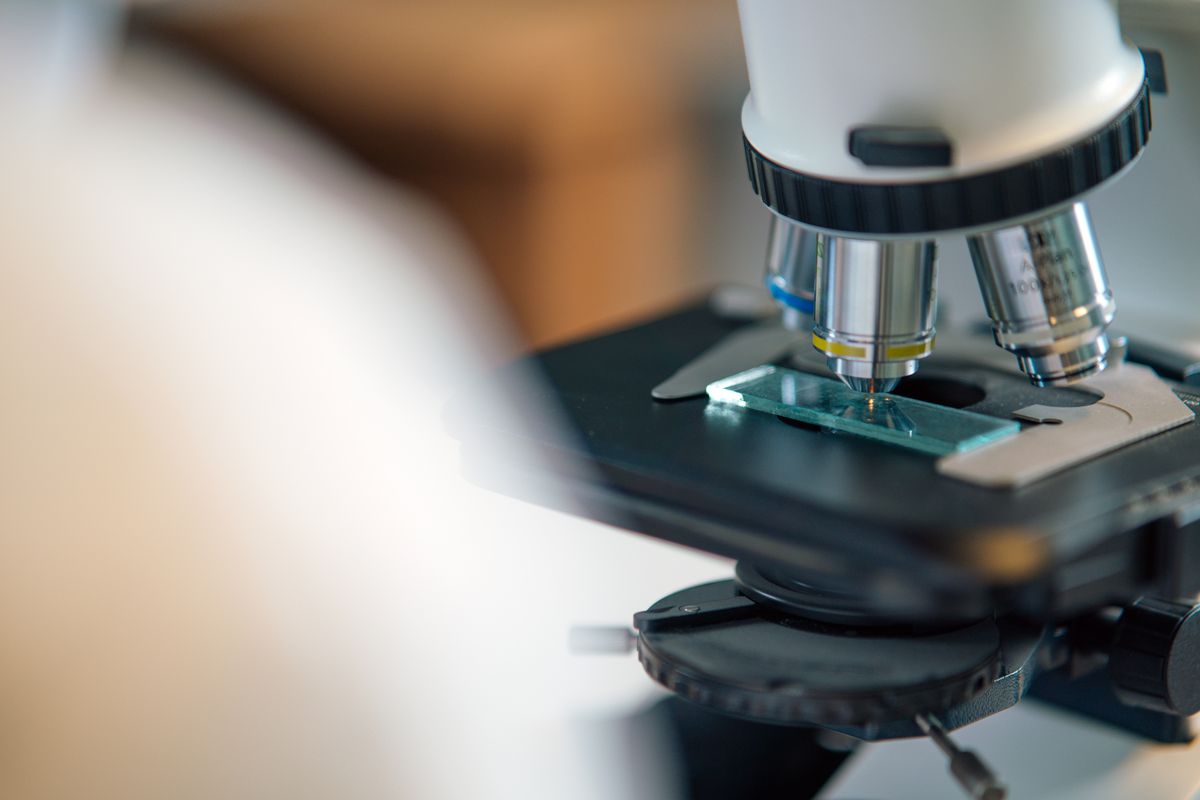
How Does a Light Microscope Work? 5 Simple Optical Steps
If you are wondering how does a light microscope work, the answer is straightforward. A light microscope passes visible light through a thin specimen and uses two glass lenses — an objective and an eyepiece — to magnify the image. The objective creates a magnified real image inside the tube, and the eyepiece magnifies that image for your eye. This guide covers the optical path from light source to eye, how magnification and resolution differ, the main types of optical microscopes, and how they compare with electron microscopes.

How Does a Confocal Microscope Work? 6 Simple Facts
How does a confocal microscope work? It works by focusing a laser beam to a single point in the sample, collecting the light that returns from that point through a pinhole that blocks out-of-focus light, and scanning point by point to build a complete image. This gives it the ability to produce sharp optical sections through thick specimens — something no conventional light microscope can do.