Lenses
10 articles on lenses, sorted newest first.
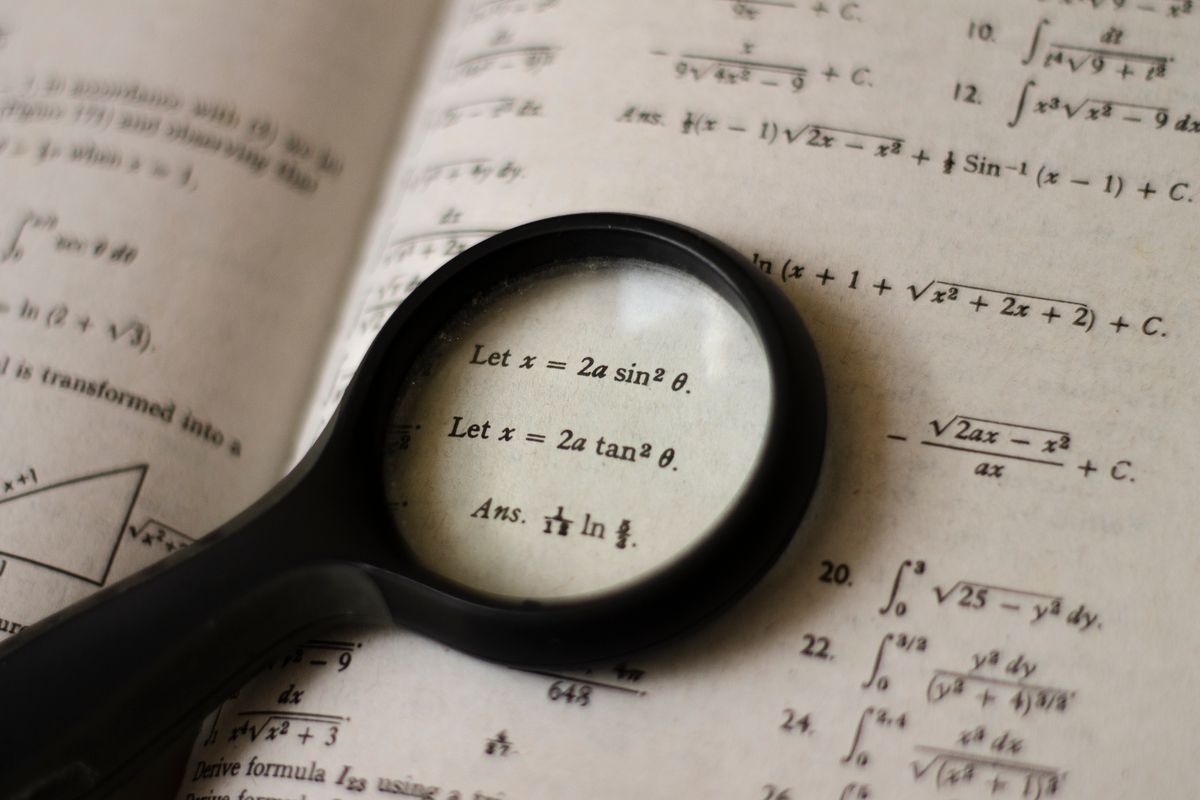
Simple Guide: Is a Magnifying Glass Convex or Concave?
A magnifying glass uses a convex lens — thicker in the middle, thinner at the edges. This shape converges light to a focal point, and when the object sits inside the focal length, the lens produces a magnified, upright, virtual image. Here is why only a convex lens can do this and why a concave lens cannot.
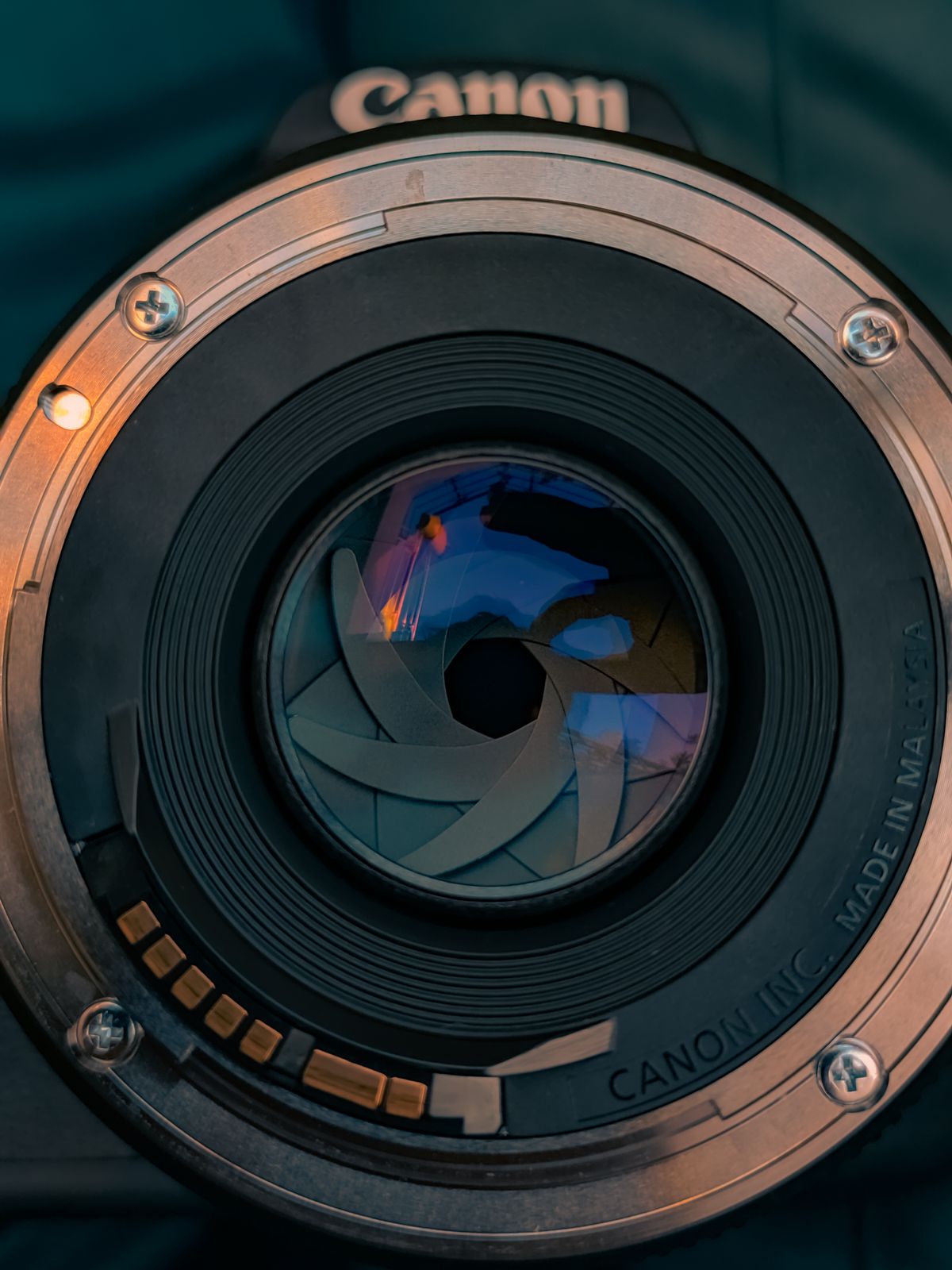
How Does a Lens Work? Light, Focus & the Lensmaker's Equation
A lens works by bending (refracting) light as it passes through its curved surfaces. A convex lens converges parallel rays to a focal point; a concave lens diverges them. The lensmaker's equation relates the shape and material to the focal length. Here is how lenses work from first principles, with simple worked examples.
Convex Lens Ray Diagram: How to Draw All 6 Object Positions
A convex lens ray diagram uses three principal rays to find the image: the parallel ray, the focal ray, and the centre ray. The image type, size, and orientation depend on the object's distance from the lens. Here is a step-by-step method for all 6 positions — from infinity to between the lens and the focal point.
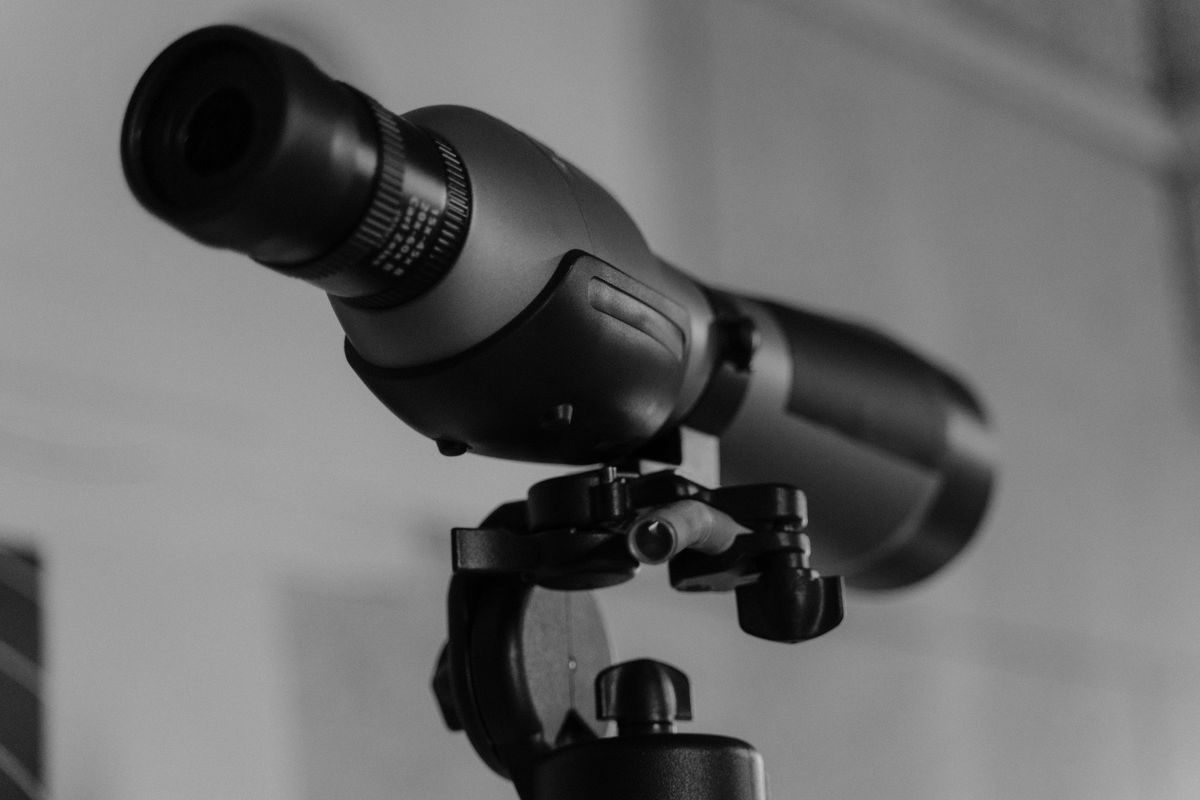
Convex Lens in Telescopes & Other Real-World Uses
A convex lens in a telescope gathers light from distant objects and brings it to a focus. Convex lenses are also used in magnifying glasses, cameras, microscopes, eyeglasses for farsightedness, and projectors. Here is how each application works and the optics behind it.
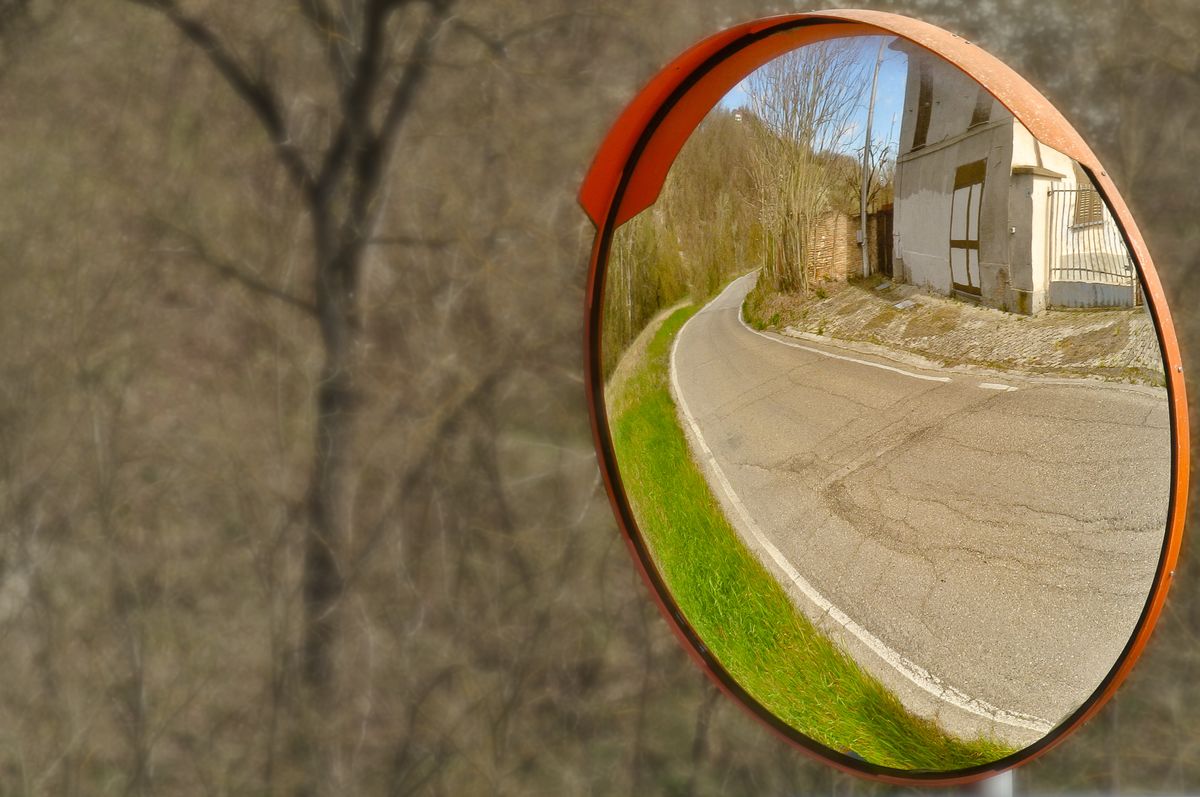
Lens vs Mirror: 5 Key Differences & Simple Comparison Guide
A lens refracts light through a transparent material; a mirror reflects light off a coated surface. A convex lens converges light like a concave mirror, and a concave lens diverges light like a convex mirror. Here are the 5 key differences between lenses and mirrors, how they pair up, and when to use each.
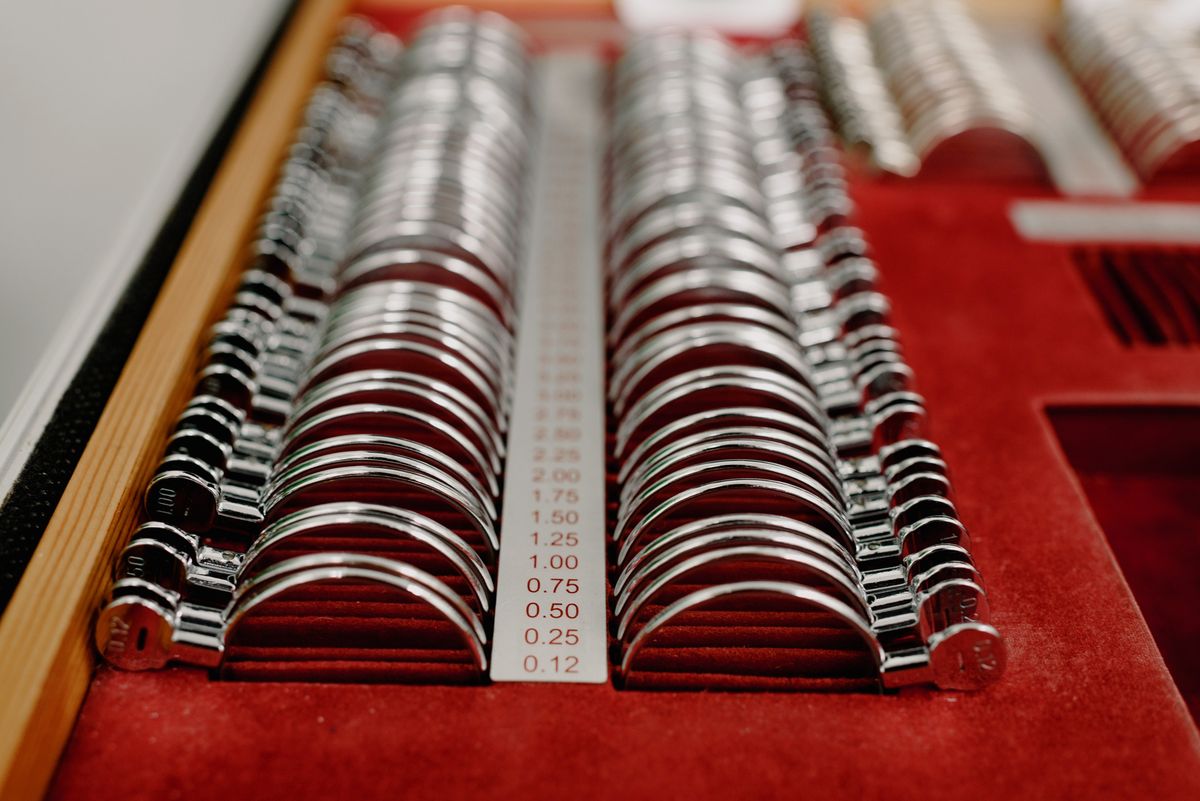
Converging vs Diverging Lens: What's the Difference?
A converging lens is convex and bends light inward to meet at a focal point. A diverging lens is concave and spreads light outward. A converging lens can form real or virtual images; a diverging lens always forms virtual, diminished images. Converging lenses are used in cameras, telescopes, and magnifying glasses. Diverging lenses correct myopia, widen peephole views, and expand laser beams.

Concave Lens for Myopia: Complete Nearsighted Correction Guide
A concave lens corrects myopia by diverging light before it enters the eye, shifting the focal point back onto the retina. Myopia (nearsightedness) affects about 30% of people in the UK and US, and concave lenses are the standard treatment. Here is how they work, how to read your prescription, and what alternatives exist.

Convex Lens: Easy Guide, Types, Uses & 5-Min Ray Diagram
A convex lens is thicker in the middle than at the edges. It bends incoming light rays inward so they meet at a single point called the focus. This ability to converge light makes it essential in cameras, microscopes, telescopes, and eyeglasses. Here is everything you need to know about convex lenses.
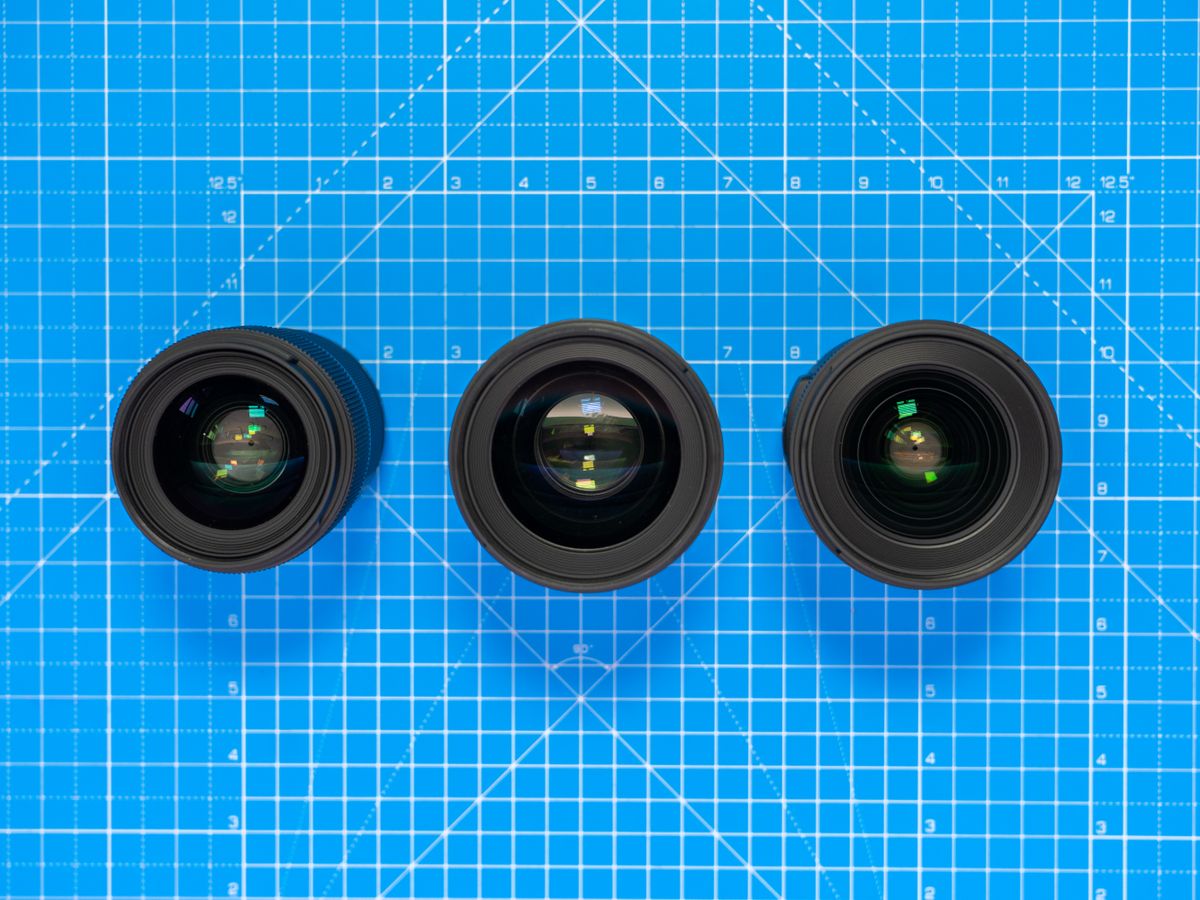
Concave vs Convex Lens: 7 Key Differences & Easy Comparison
A convex lens is thicker in the middle and converges light to a point. A concave lens is thinner in the middle and spreads light apart. Here are 7 key differences between them, how each forms images, and when to use which.
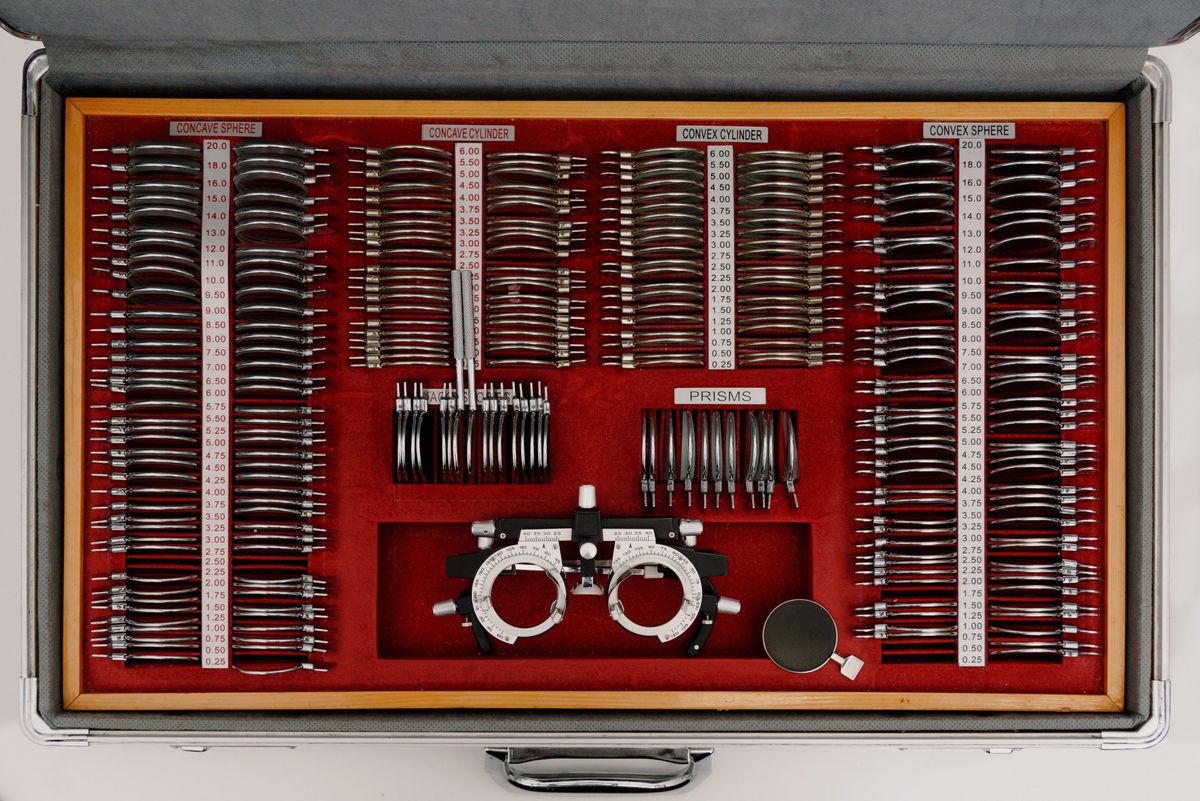
Concave Lens: Complete Guide, Types, Uses & 5-Min Diagrams
A concave lens is thinner in the middle and thicker at the edges. When light passes through it, the lens spreads the rays outward — it diverges them — so they never meet. This ability to spread light makes it essential in eyeglasses for myopia, door peepholes, flashlights, and laser systems. Here is everything you need to know about concave lenses.