Reflection
7 articles on reflection, sorted newest first.
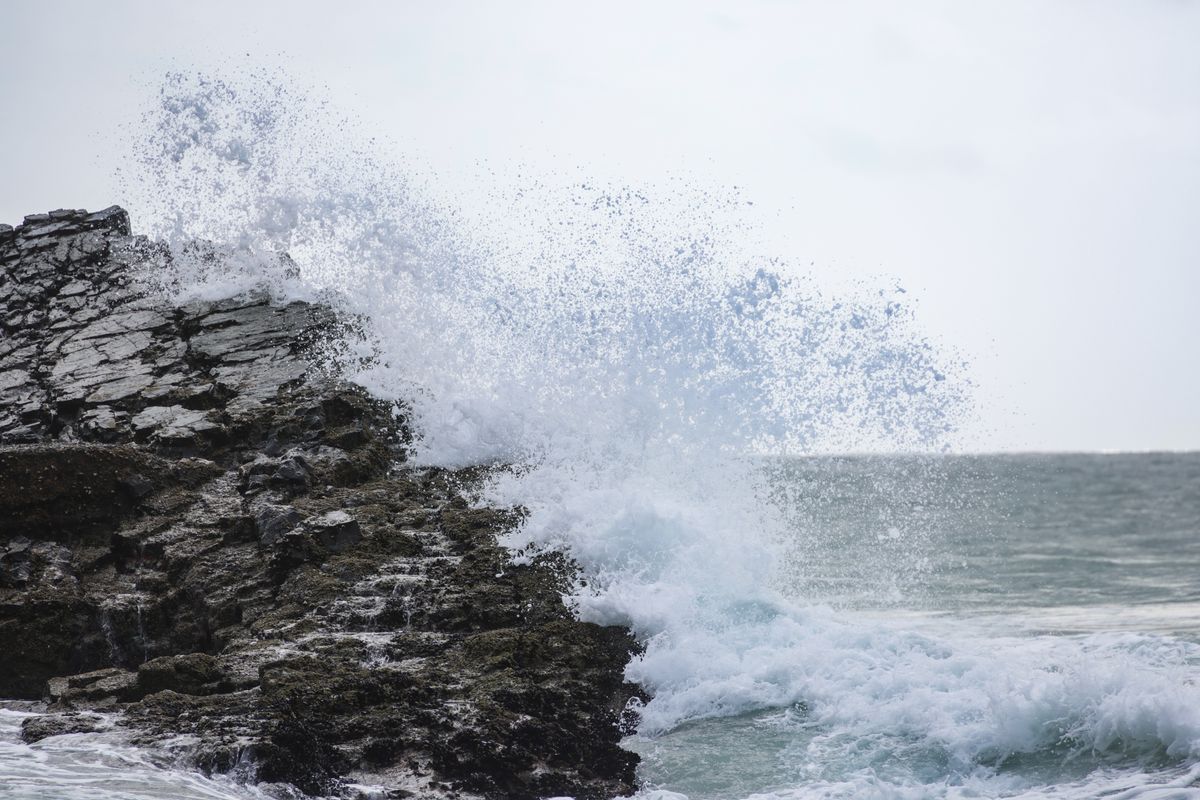
When a Wave Bounces Off a Material: Easy Reflection Guide
Reflection is what happens when a wave bounces off a surface it cannot pass through. Light, sound, and water all reflect the same way — the angle of arrival equals the angle of departure.

What Is Reflective Light? Simple Guide to 3 Types
Reflective light is light that has bounced off a surface and reached your eyes. Unlike incident light (the light arriving at a surface), reflective light carries information about the surface it hit — its colour, texture, and smoothness. Here is what reflective light is, how it works, and the 3 types you see every day.
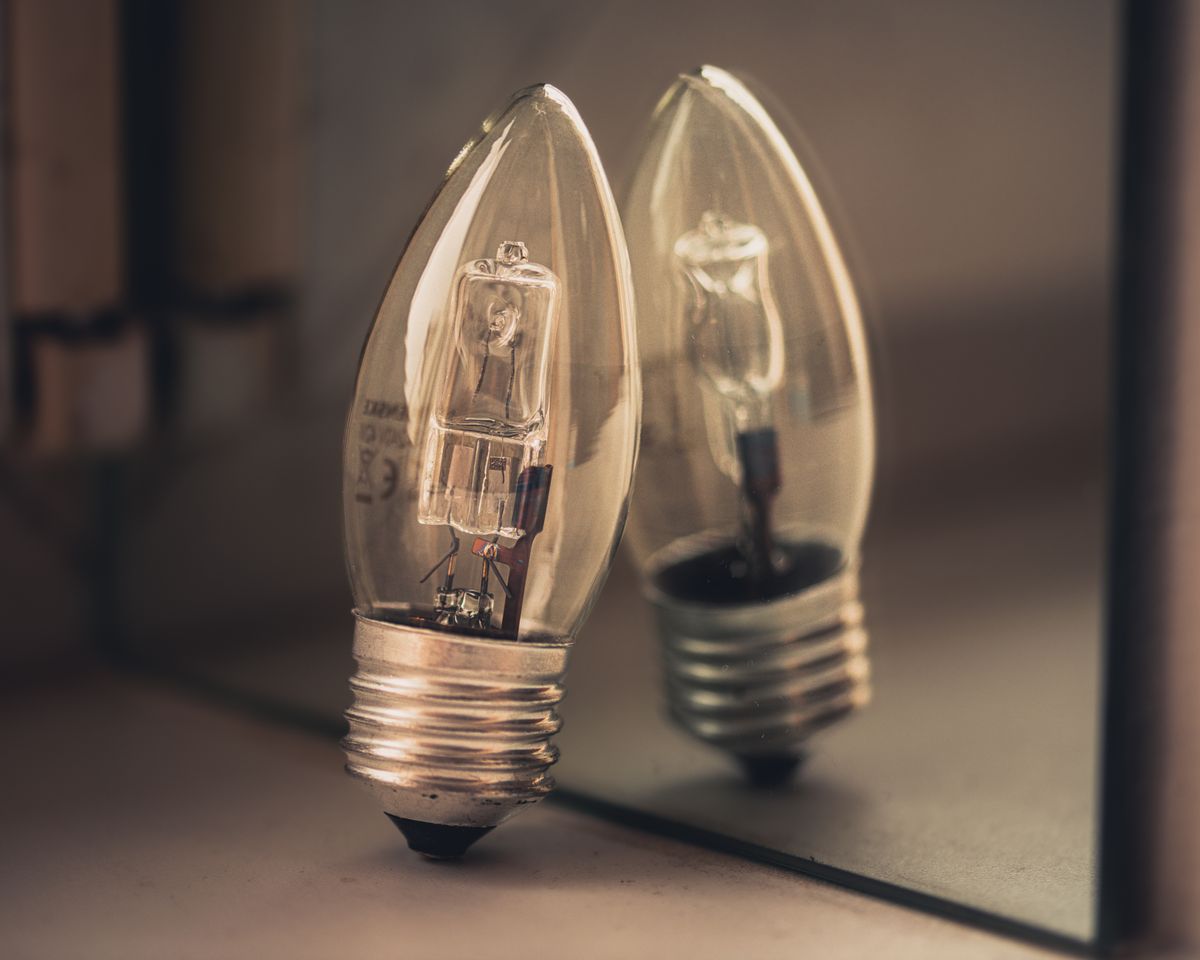
What Happens When Light Hits a Mirror? Easy 5-Step Guide
When light hits a mirror, the photons interact with free electrons in the metal coating. The electrons absorb the incoming photon energy and re-emit it almost instantly, sending the light back at the same angle it arrived. Here is exactly what happens, step by step.
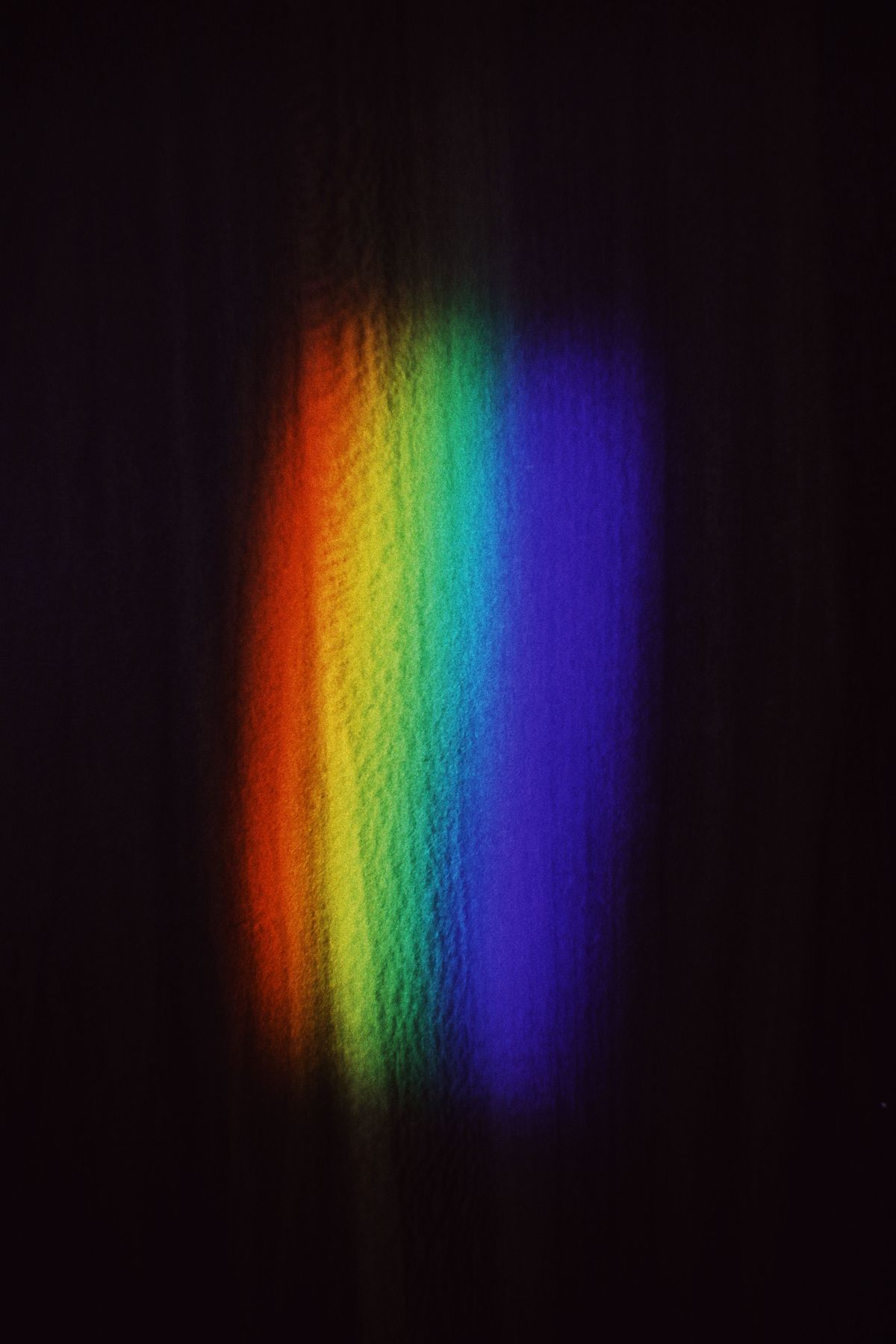
Reflection, Refraction, and Diffraction: Compare All 3
Reflection, refraction and diffraction are the 3 ways waves change direction when they meet a boundary. Reflection bounces the wave back, refraction bends it through a new medium, and diffraction spreads it around obstacles. Here is how to tell them apart, with a comparison table and everyday examples.

Reflection Physics Waves: Laws, Types and Examples Guide
Reflection is the change in direction of a wave when it bounces off a surface. Light, sound, and water all reflect the same way — the angle at which they arrive equals the angle at which they leave.
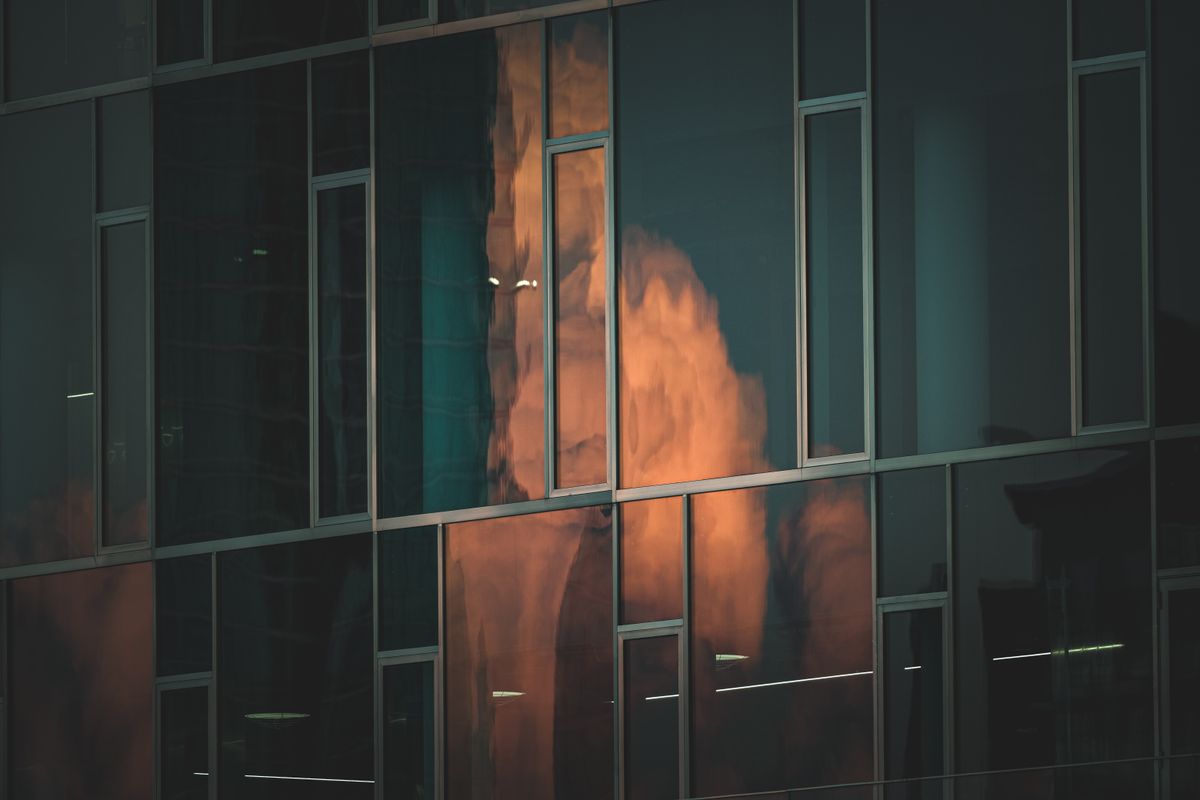
Reflection of Light Examples: 15 Real-World Cases Guide
Mirrors, lakes, rainbows, and road signs all rely on the same physics — reflection. Here are 15 examples of reflection of light from nature, everyday life, and technology.
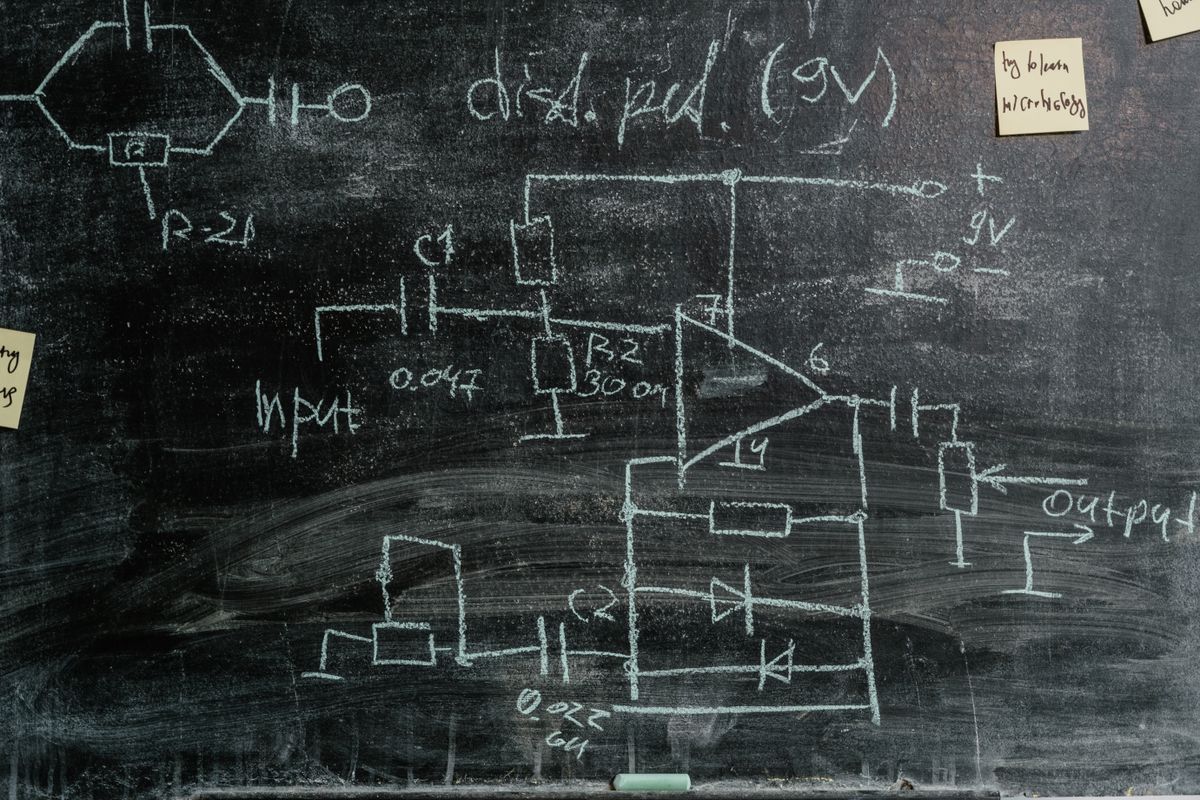
Diagrams of Reflection: Simple 3-Step Guide for Beginners
Drawing a diagram of reflection is easy when you know the law. Here is how to draw a reflection diagram in 3 simple steps, with labelled examples for plane mirrors, curved mirrors, and diffuse reflection.