The full archive.
Page 8 of 13 — articles on the physics of light, sorted newest first.

Converging vs Diverging Mirror: Is Concave Always Converging?
A converging mirror (concave) bends light inward to a focal point. A diverging mirror (convex) spreads light outward. Converging mirrors can form real images; diverging mirrors always form virtual ones. Here is why a concave mirror is always converging, a convex mirror is always diverging, and how to remember which is which.

Concave vs Convex Mirror: Differences, Uses & Diagrams (Comparison)
Concave mirrors curve inward and converge light to a focus, producing real or virtual images. Convex mirrors curve outward and diverge light, always producing virtual, upright, diminished images with a wider field of view. Here are the key differences between the two types of spherical mirrors, with comparison tables for image formation, ray diagrams, applications, and a simple trick to remember which is which.

Concave Mirror: Complete Guide, Working, 6 Image Cases & Uses
A concave mirror is a curved mirror where the reflecting surface curves inward like a cave. It converges parallel light rays to a single focal point in front of the mirror. This ability to focus light makes it essential in telescopes, headlights, shaving mirrors, dental mirrors, and solar furnaces. Here is everything you need to know about concave mirrors, from ray diagrams to image formation to the mirror formula.
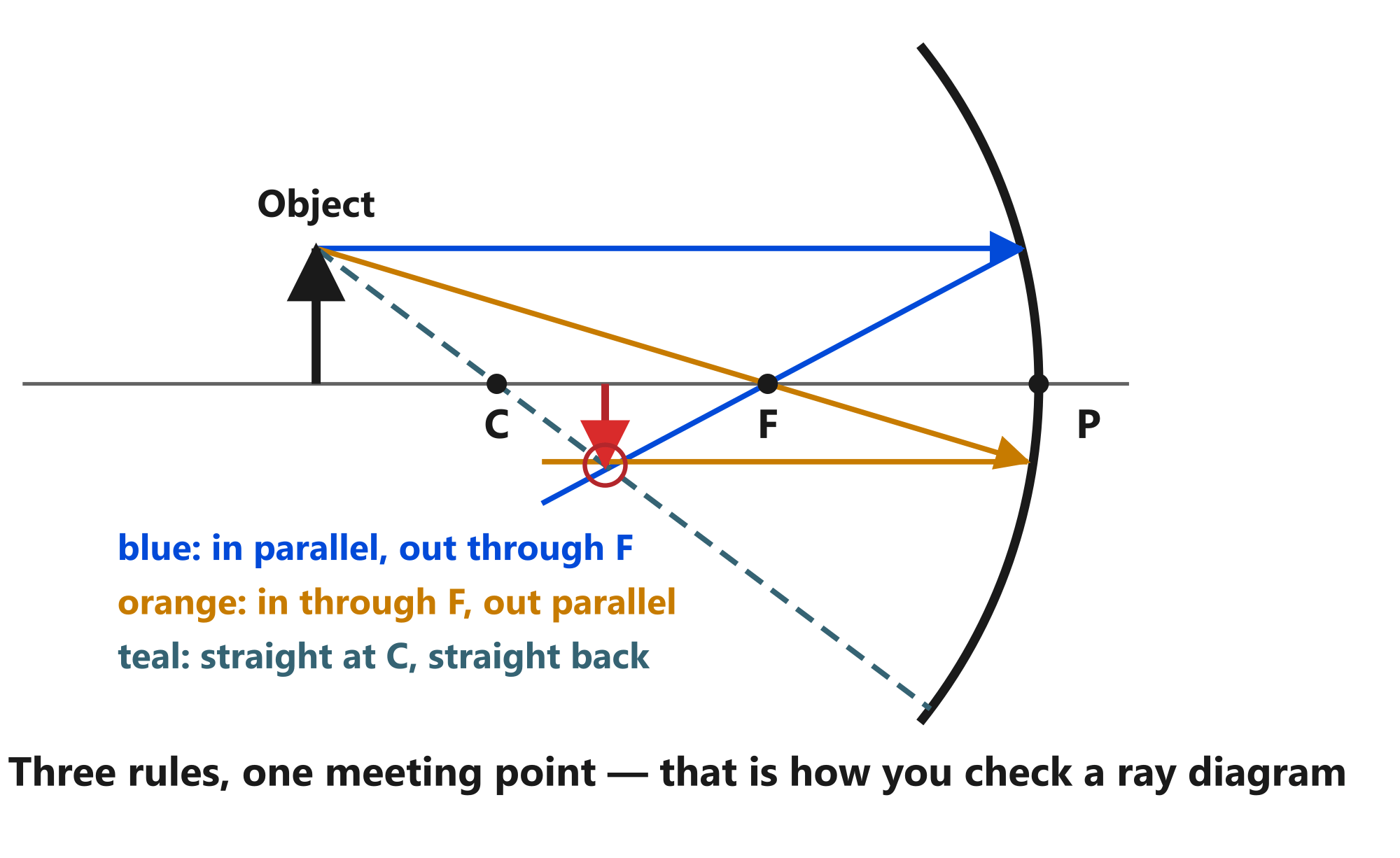
How to Draw Ray Diagrams for Mirrors (Step-by-Step Guide)
A ray diagram traces the path of light from an object to a mirror to determine where an image forms. Drawing a concave mirror ray diagram takes just four steps: set up the mirror and axis, draw two incident rays, reflect them using the rules, and mark where they meet. This guide covers those steps for every object position for both concave and convex mirrors, plus the common mistakes that trip students up.
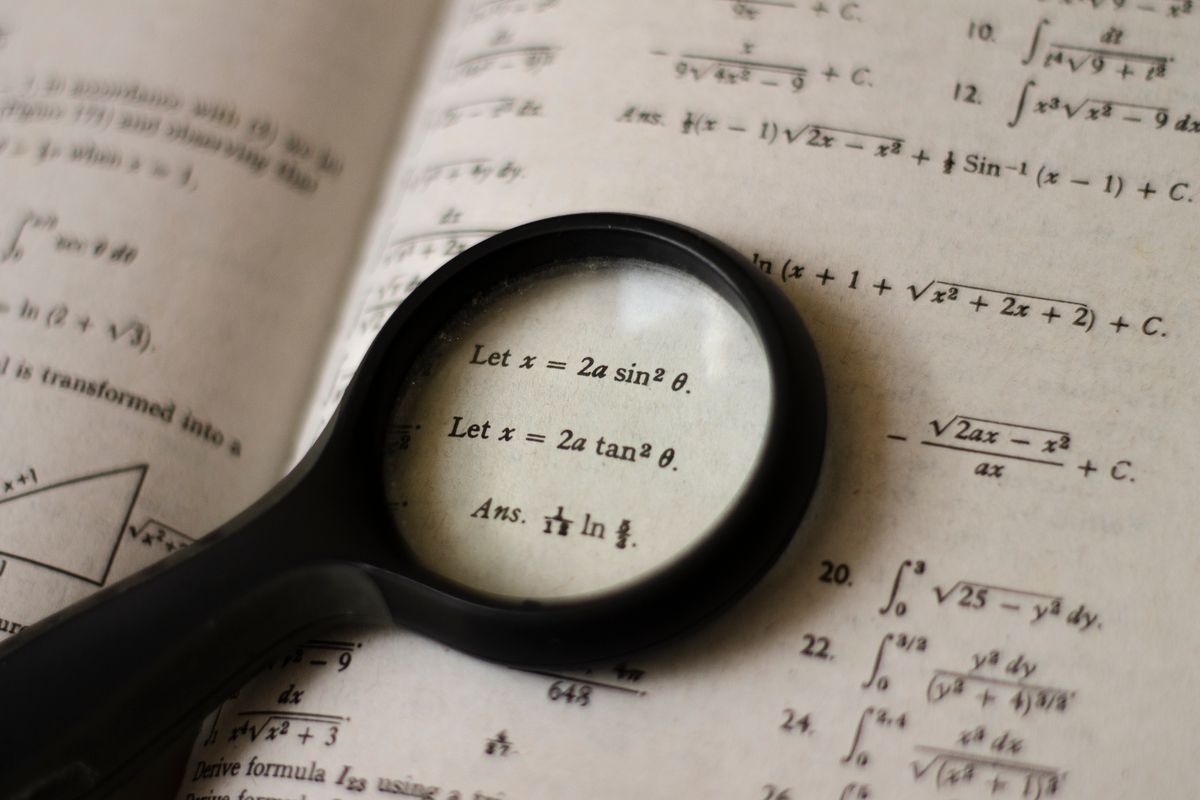
Simple Guide: Is a Magnifying Glass Convex or Concave?
A magnifying glass uses a convex lens — thicker in the middle, thinner at the edges. This shape converges light to a focal point, and when the object sits inside the focal length, the lens produces a magnified, upright, virtual image. Here is why only a convex lens can do this and why a concave lens cannot.
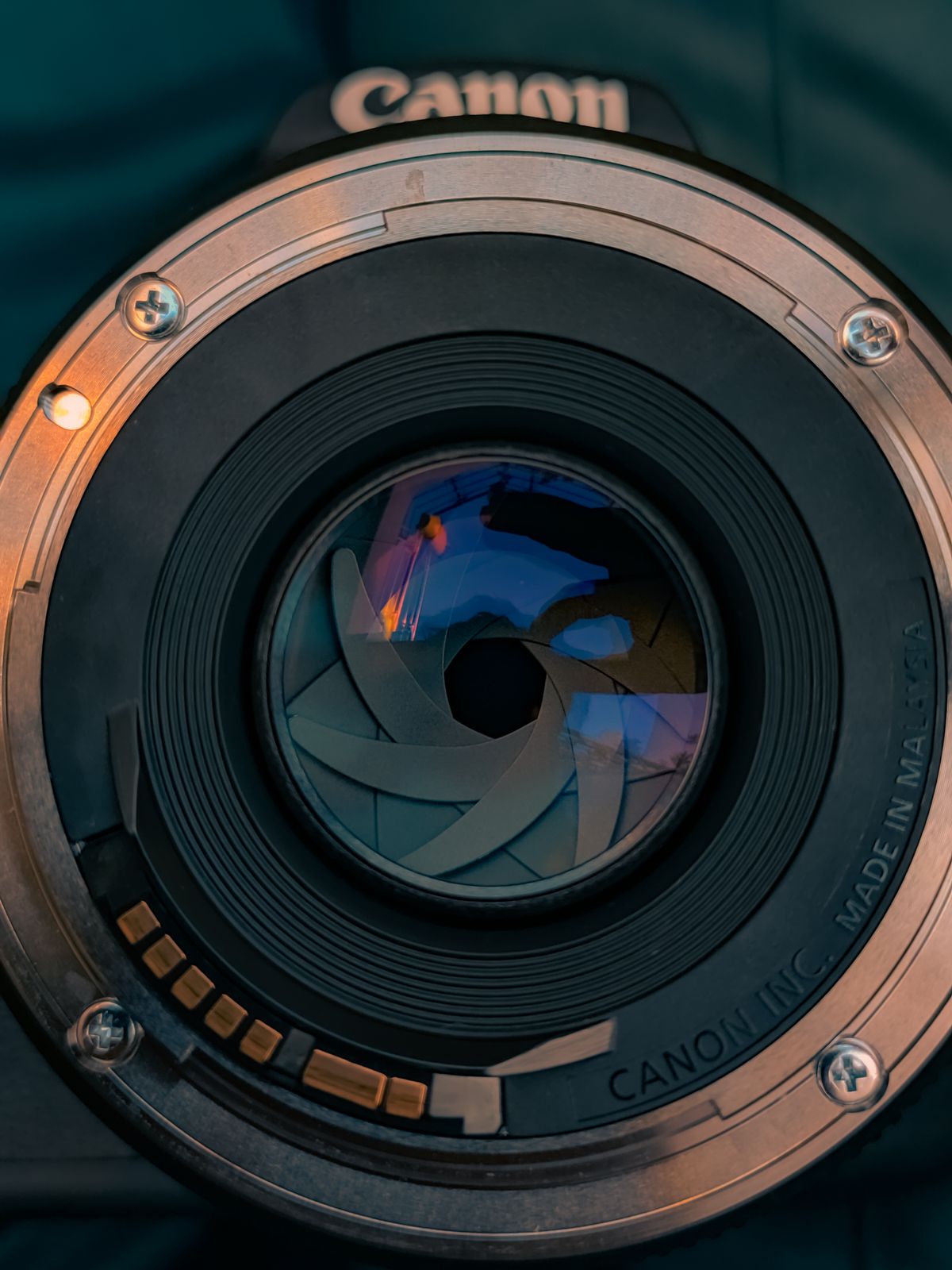
How Does a Lens Work? Light, Focus & the Lensmaker's Equation
A lens works by bending (refracting) light as it passes through its curved surfaces. A convex lens converges parallel rays to a focal point; a concave lens diverges them. The lensmaker's equation relates the shape and material to the focal length. Here is how lenses work from first principles, with simple worked examples.
Convex Lens Ray Diagram: How to Draw All 6 Object Positions
A convex lens ray diagram uses three principal rays to find the image: the parallel ray, the focal ray, and the centre ray. The image type, size, and orientation depend on the object's distance from the lens. Here is a step-by-step method for all 6 positions — from infinity to between the lens and the focal point.
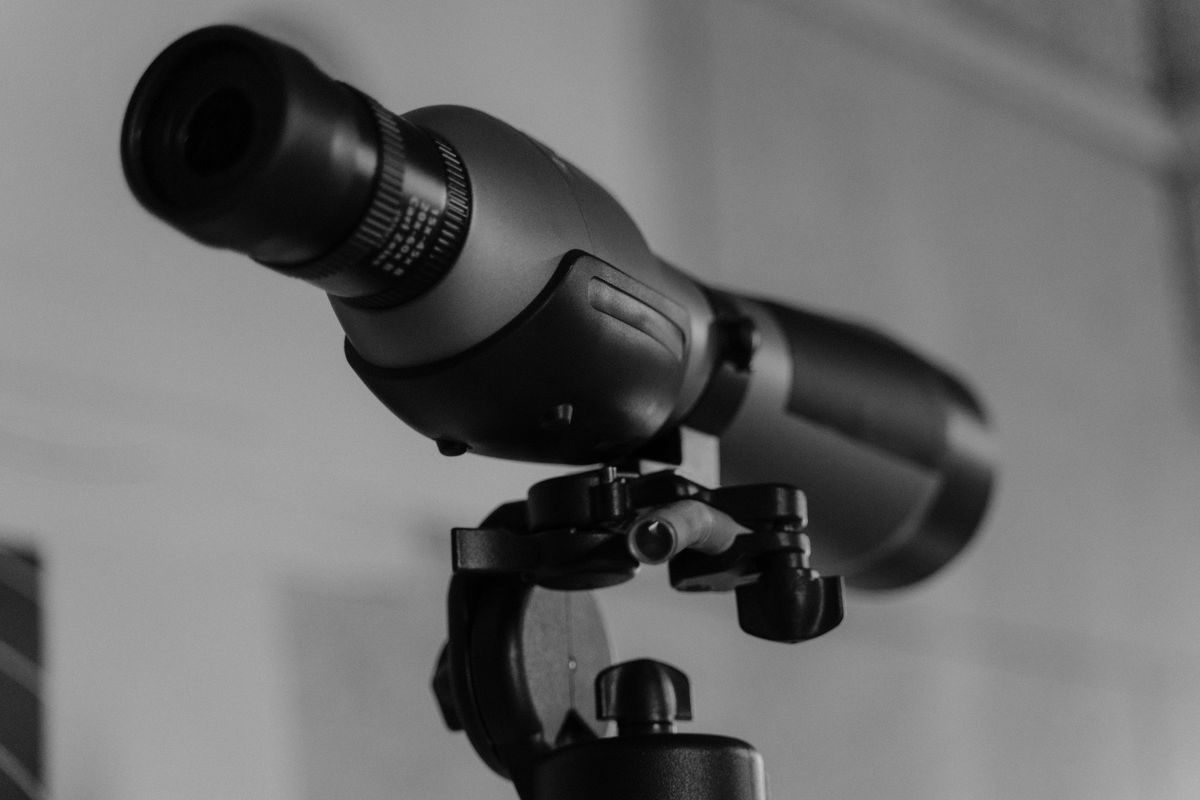
Convex Lens in Telescopes & Other Real-World Uses
A convex lens in a telescope gathers light from distant objects and brings it to a focus. Convex lenses are also used in magnifying glasses, cameras, microscopes, eyeglasses for farsightedness, and projectors. Here is how each application works and the optics behind it.

Lens vs Mirror: 5 Key Differences & Simple Comparison Guide
A lens refracts light through a transparent material; a mirror reflects light off a coated surface. A convex lens converges light like a concave mirror, and a concave lens diverges light like a convex mirror. Here are the 5 key differences between lenses and mirrors, how they pair up, and when to use each.

Converging vs Diverging Lens: What's the Difference?
A converging lens is convex and bends light inward to meet at a focal point. A diverging lens is concave and spreads light outward. A converging lens can form real or virtual images; a diverging lens always forms virtual, diminished images. Converging lenses are used in cameras, telescopes, and magnifying glasses. Diverging lenses correct myopia, widen peephole views, and expand laser beams.

Concave Lens for Myopia: Complete Nearsighted Correction Guide
A concave lens corrects myopia by diverging light before it enters the eye, shifting the focal point back onto the retina. Myopia (nearsightedness) affects about 30% of people in the UK and US, and concave lenses are the standard treatment. Here is how they work, how to read your prescription, and what alternatives exist.

X-Ray Diffraction (XRD) Explained: Crystals, Proteins & Machines
X-ray diffraction (XRD) is a technique that uses X-rays to determine the atomic and molecular structure of crystals. When X-rays hit a crystal, they scatter off the regularly spaced atoms and produce a characteristic diffraction pattern. By measuring the angles and intensities of the diffracted beams, scientists can calculate the positions of atoms in the crystal — revealing the 3D structure of materials, proteins, and even DNA. Here is how XRD works, what Bragg's law means, the machines that do it, and 5 applications you should know.