The full archive.
Page 2 of 13 — articles on the physics of light, sorted newest first.
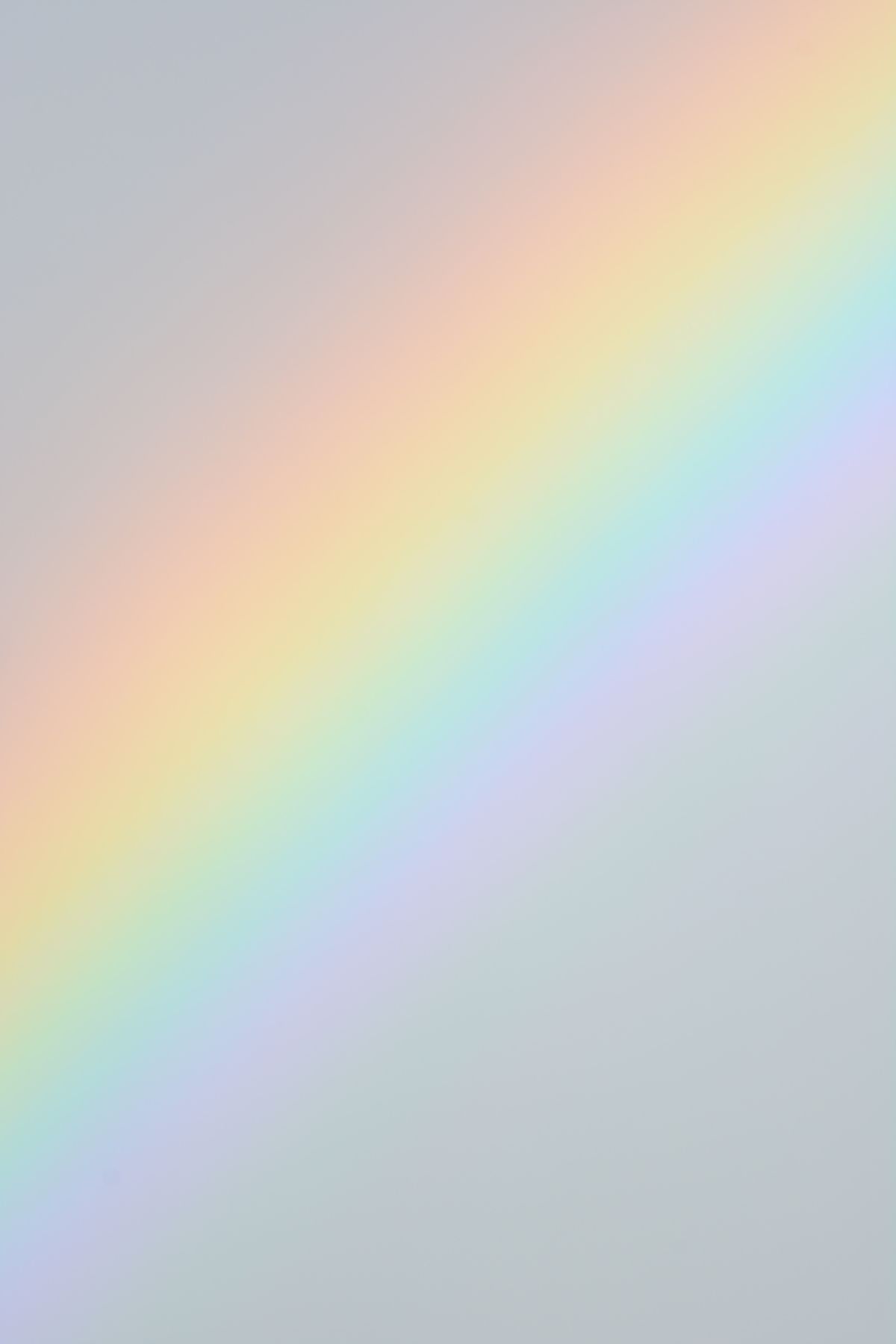
Colors of the Rainbow in Order: ROYGBIV / VIBGYOR Explained
The colors of the rainbow in order from top to bottom are red, orange, yellow, green, blue, indigo, and violet — remembered by the acronym ROYGBIV. Here's why those 7 colours appear in that exact order every time, how a double rainbow reverses them, and why Newton is the one to thank (or blame) for indigo.
Optics Lens Maker Formula: 5 Clear Steps Explained
The optics lens maker formula relates the focal length of a lens to the refractive index of its material and the radii of curvature of its two surfaces. For a thin lens in air, it is 1/f = (n − 1)(1/R₁ − 1/R₂). Here is how to use it in 5 clear steps.
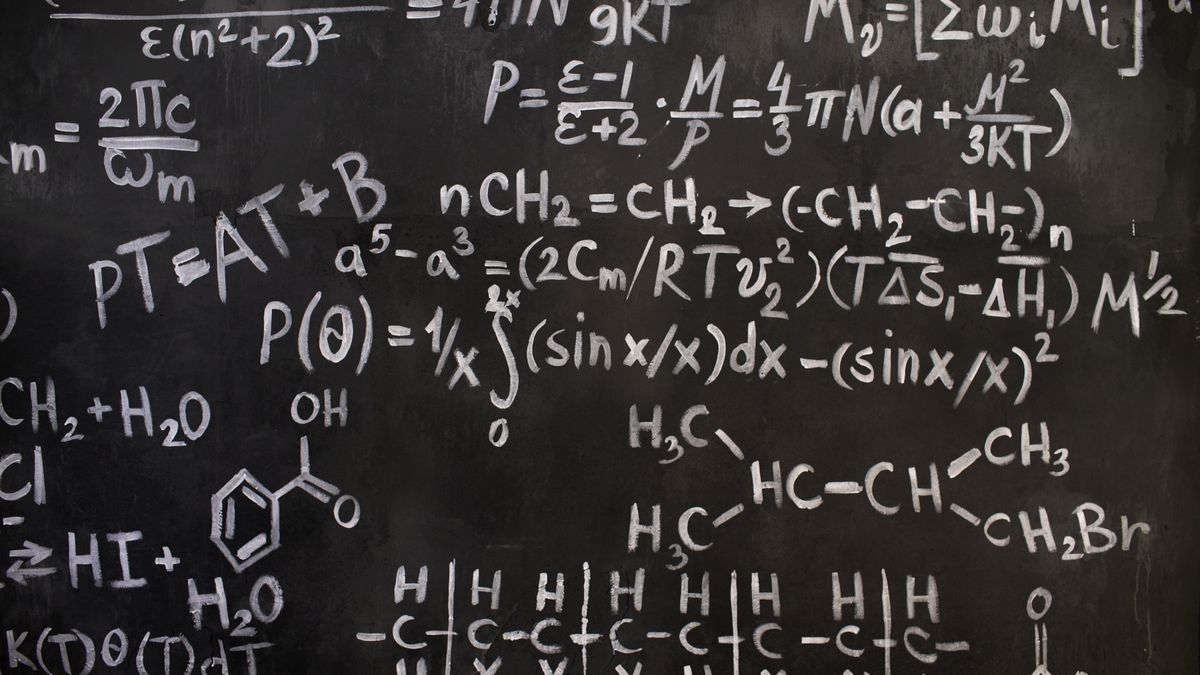
Optics Formulas Cheat Sheet: 30+ Key Equations in One Place
A complete optics formulas cheat sheet covering reflection, refraction, lenses, mirrors, interference, diffraction, polarisation, and optical instruments. Every key equation with variable definitions and links to detailed guides.
Optical Rotation Formula: 5 Essential Calculation Steps
The optical rotation formula [α] = α / (l × c) converts a polarimeter reading into a standardised value called specific rotation. It lets you compare optically active substances regardless of concentration or tube length. Here is how the formula works, what it means, and how to use it in 5 steps.
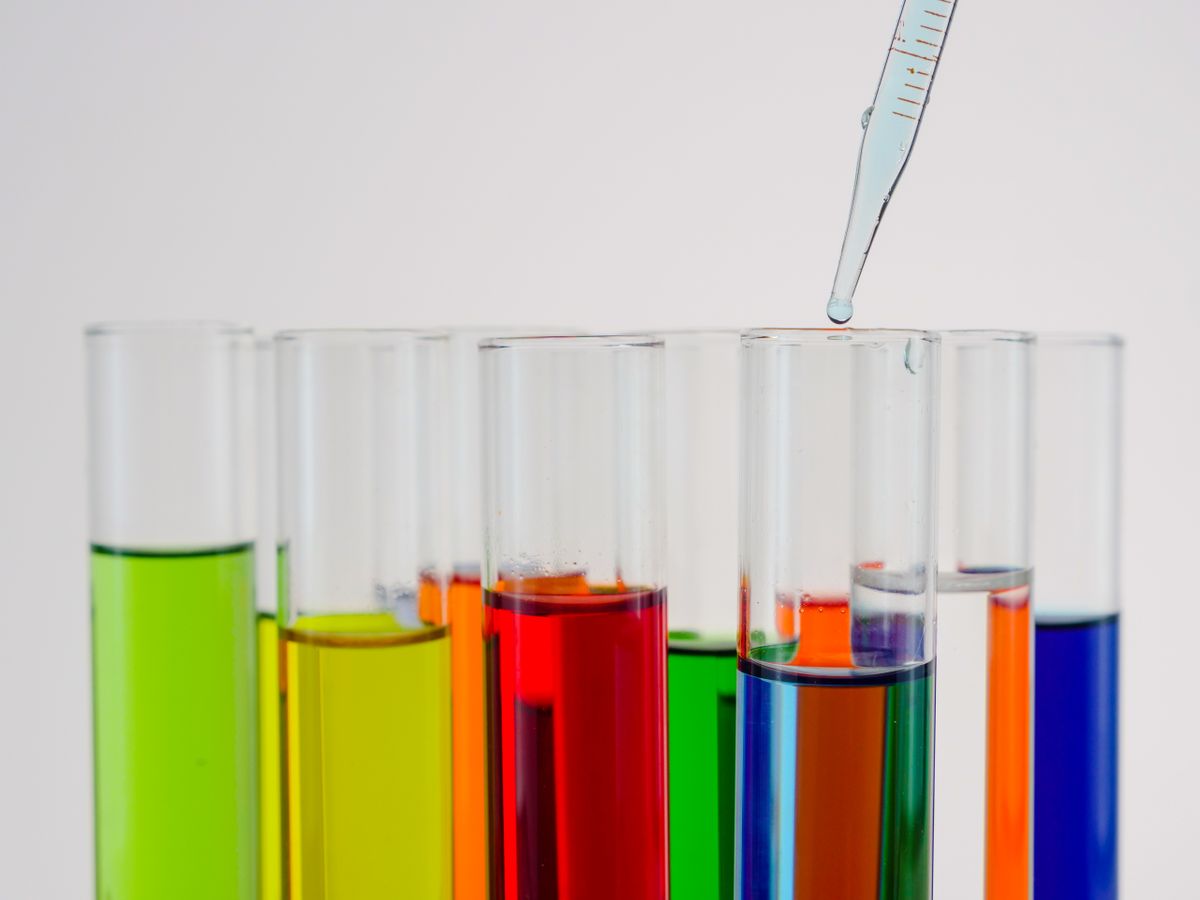
Optical Density Formula: 5 Proven Steps to Calculate It
The optical density formula OD = -log₁₀(I/I₀) measures how much light a material absorbs. This guide covers the formula, its relationship to absorbance and transmittance, the Beer-Lambert law, and step-by-step worked examples for calculating optical density in real lab situations.
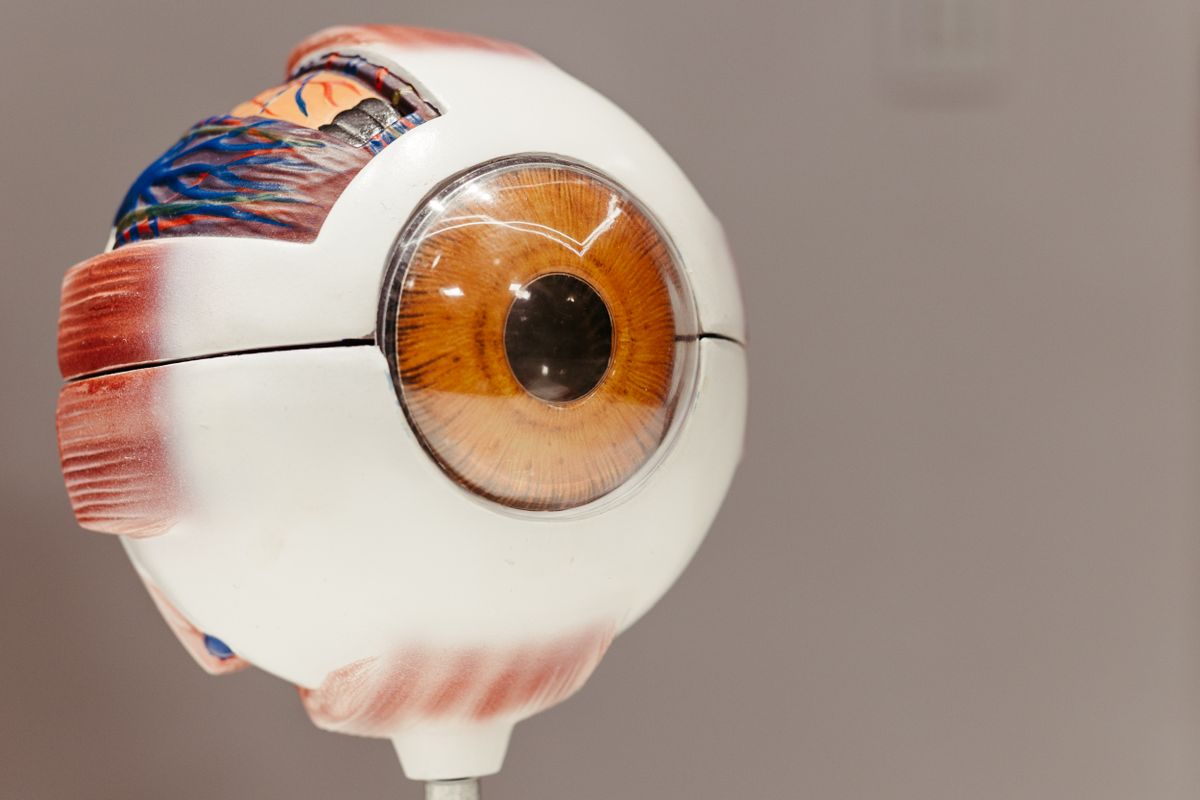
Optic Nerve Formula: 5 Essential Eye Optics Principles
Searched for 'optic nerve formula'? In medicine that is a supplement for nerve health. In optics, the human eye follows 5 essential optical principles: refraction, accommodation, aperture control, image formation, and signal transmission. Here is how the eye works as a natural optical instrument.

What Causes a Mirage? The Physics of Mirages
A mirage is an optical illusion caused by atmospheric refraction — light bends as it passes through layers of air at different temperatures. This pillar guide covers the physics of how mirages form, the difference between inferior and superior mirages, why roads look wet in summer, how Fata Morgana creates castles in the sky, heat shimmer, and why mirages are not hallucinations.

Mirage on Road: 3 Surprising Facts About Heat Shimmer
A mirage on road is one of the most common atmospheric refraction phenomena, yet most people misunderstand it. This guide explains what causes road mirages and heat shimmer, why the 'water' vanishes as you approach, and 3 physics facts that make it all click.
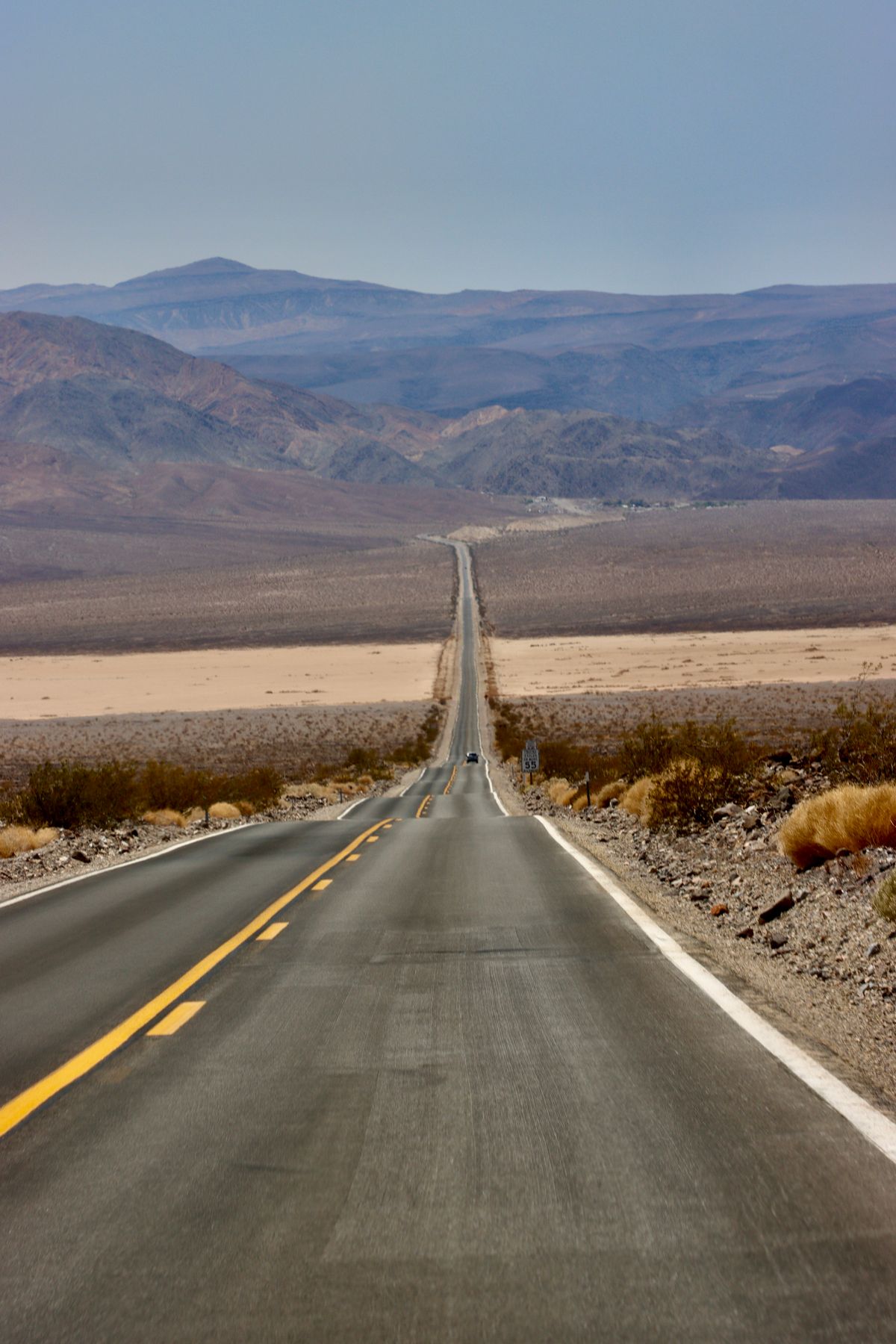
Inferior vs Superior Mirage (and Moon Mirages)
An inferior mirage appears below the real object and a superior mirage above it. Both are caused by atmospheric refraction — light bending through layers of air at different temperatures. This guide covers how each type forms, where to see them, and why the Moon can produce mirages too.

Fata Morgana Mirage: 5 Stunning Facts & How It Works
A Fata Morgana is a complex mirage that creates stacked, stretched images that appear to shift and dance. It can make ships float above the horizon, turn distant coastlines into fairy-tale castles, and has inspired legends from the Flying Dutchman to phantom islands.

Desert Mirages: Why You See Water in the Desert (5 Facts)
Desert mirages make you see water because hot air near the ground bends light from the sky upward into your eyes, creating a reflection-like image. Here are 5 key facts on how it works.
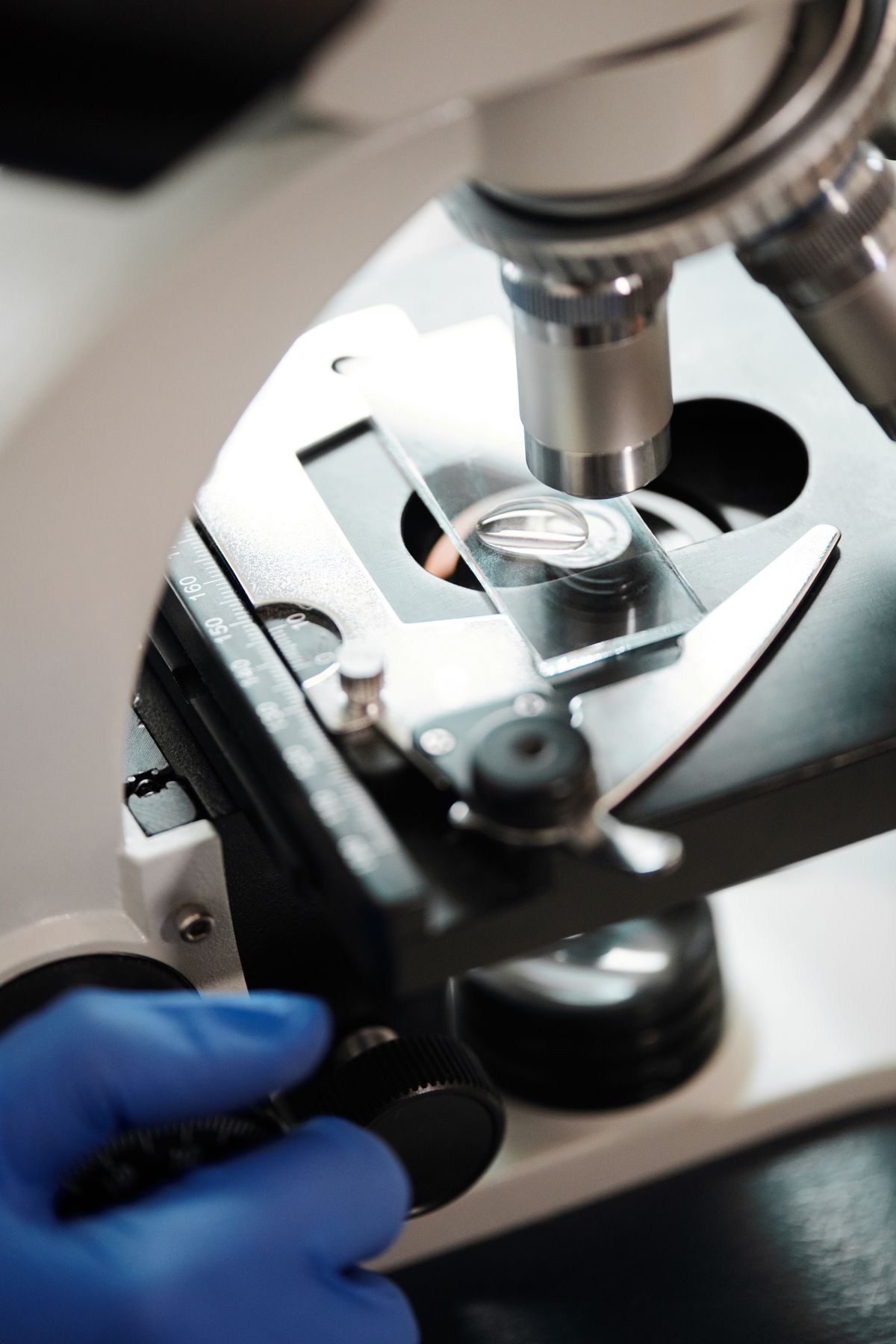
Essential Polarized Light Microscopy: 7 Powerful Facts
Polarized light microscopy uses two crossed polarising filters — a polariser below the specimen and an analyser above — to generate contrast in birefringent (doubly-refracting) materials. When plane-polarised light passes through an anisotropic specimen, it splits into two orthogonal wave components that travel at different speeds. The analyser recombines these components, producing interference colours and intensity variations that reveal structural detail invisible under ordinary brightfield illumination. This guide covers how it works, the key components, how birefringence creates contrast, and the major applications in geology, materials science, biology, and medicine.