The full archive.
Page 10 of 13 — articles on the physics of light, sorted newest first.
Diffraction Grating Spectrometer Guide: 5 Easy Facts & Uses
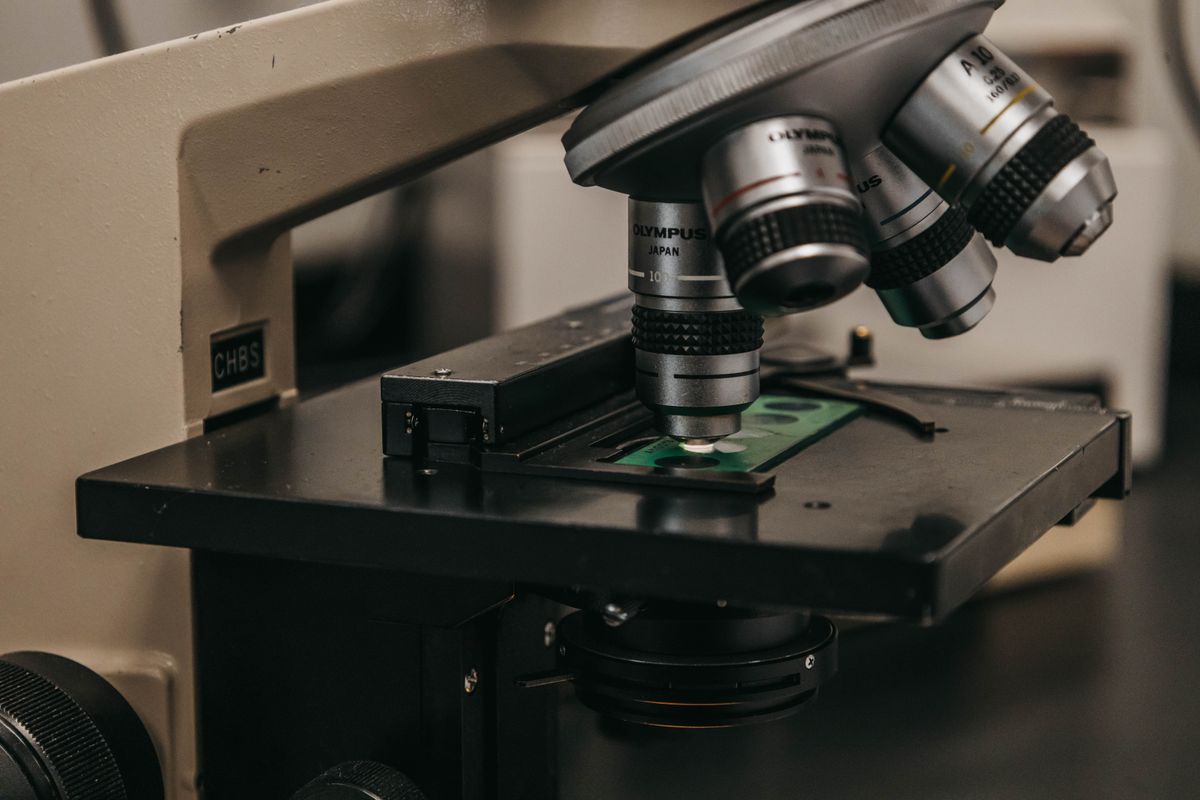
A diffraction grating spectrometer is an instrument that splits light into its component wavelengths to reveal what substances are made of. It works by passing light through a narrow entrance slit, collimating it into a parallel beam, diffracting it off a grating, and projecting the separated wavelengths onto a detector. The grating is the key component — its groove density and blaze angle determine how finely the light is spread. Spectrometers are used in chemistry to identify elements, in astronomy to analyse starlight, and in gemology to distinguish natural from synthetic diamonds. Here is how a diffraction grating spectrometer works, the main types, and 5 key uses.
Refraction at Night: 5 Easy Ways Starlight Tricks You
Refraction at night bends starlight as it passes through Earth's restless atmosphere. The same physics that makes stars twinkle also flattens the setting Sun, delays sunrise, and creates mirages. Here are 5 ways the atmosphere plays tricks on your eyes after dark.
Refracted Ray: 4 Simple Steps to Understand (With Diagram)
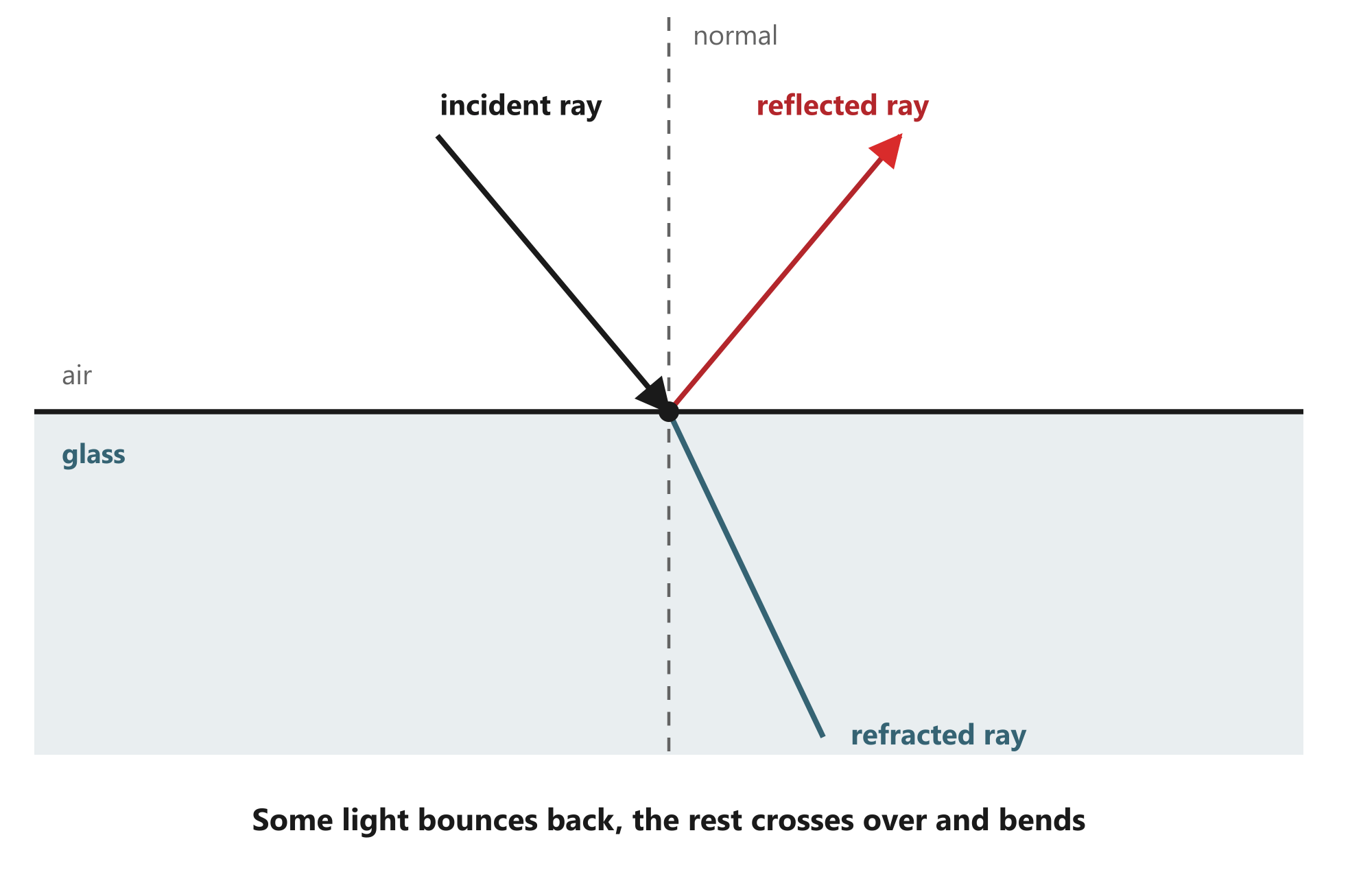
A refracted ray is the bent path light takes after crossing from one medium into another. Unlike the incident ray (arriving) or reflected ray (bouncing off), the refracted ray passes through the boundary and changes direction. Here's how to identify and draw it in 4 simple steps.
Snell's Law: 3 Simple Steps to Find Angle of Refraction
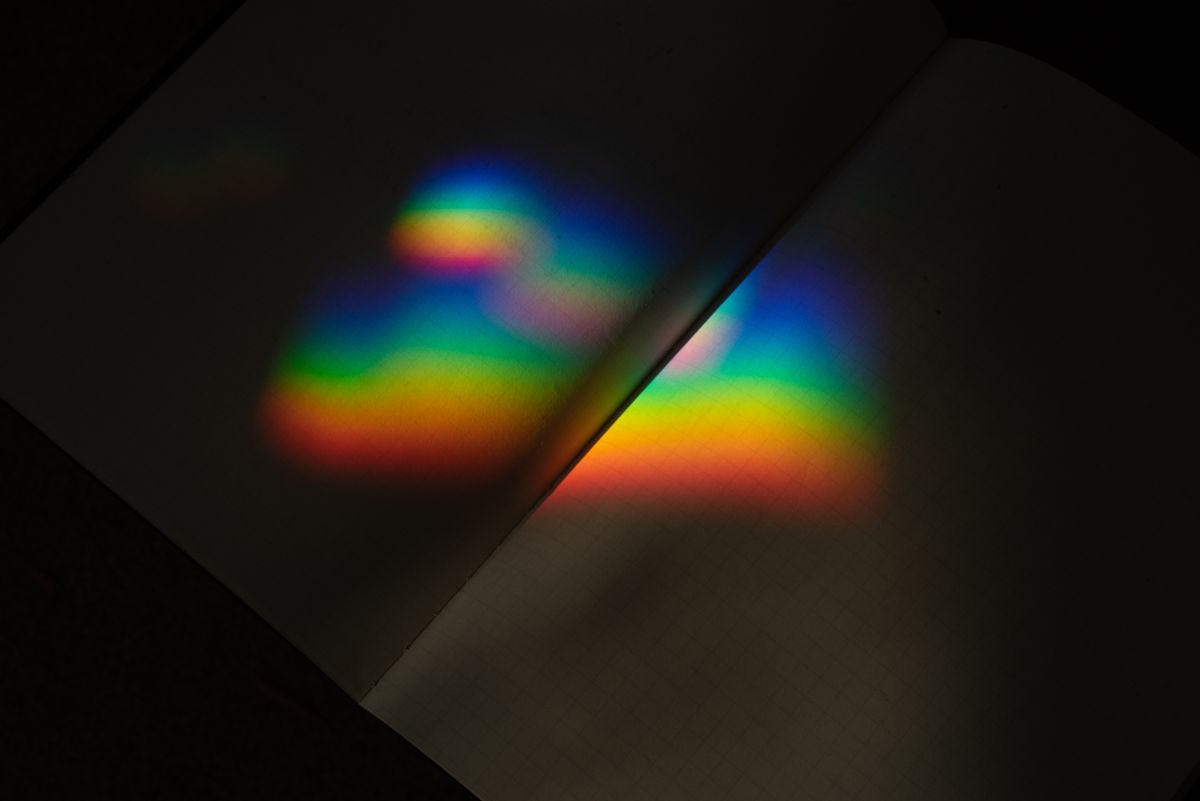
The angle of refraction is the angle between the refracted ray and the normal line where light crosses a boundary. It's calculated using Snell's law: n1 sin θ1 = n2 sin θ2. Here's exactly how to find it, with three worked examples from air, water, and glass.

Refraction vs Diffraction: 6 Key Differences, Simple Guide
Refraction bends light when it changes speed between media. Diffraction spreads light when it passes obstacles or slits comparable to its wavelength. Here are 6 clear differences, with everyday examples to help you tell them apart.
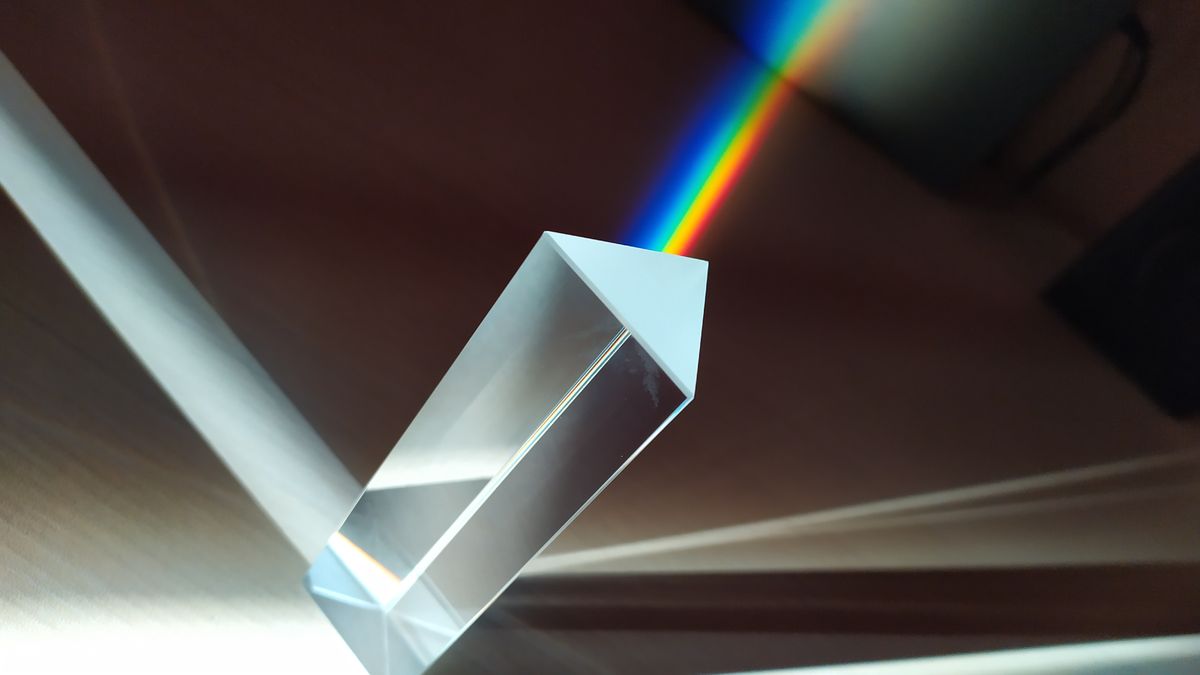
Refraction Through a Prism: 3 Clear Examples & How It Works
Refraction through a prism is different from refraction through a glass slab: the two surfaces aren't parallel, so light bends at both faces and emerges in a new direction. When that light is white, different colours bend by different amounts and fan out into a spectrum. Here's the physics of how prisms work — from Snell's law to the angle of minimum deviation — with a piece of history from Newton.
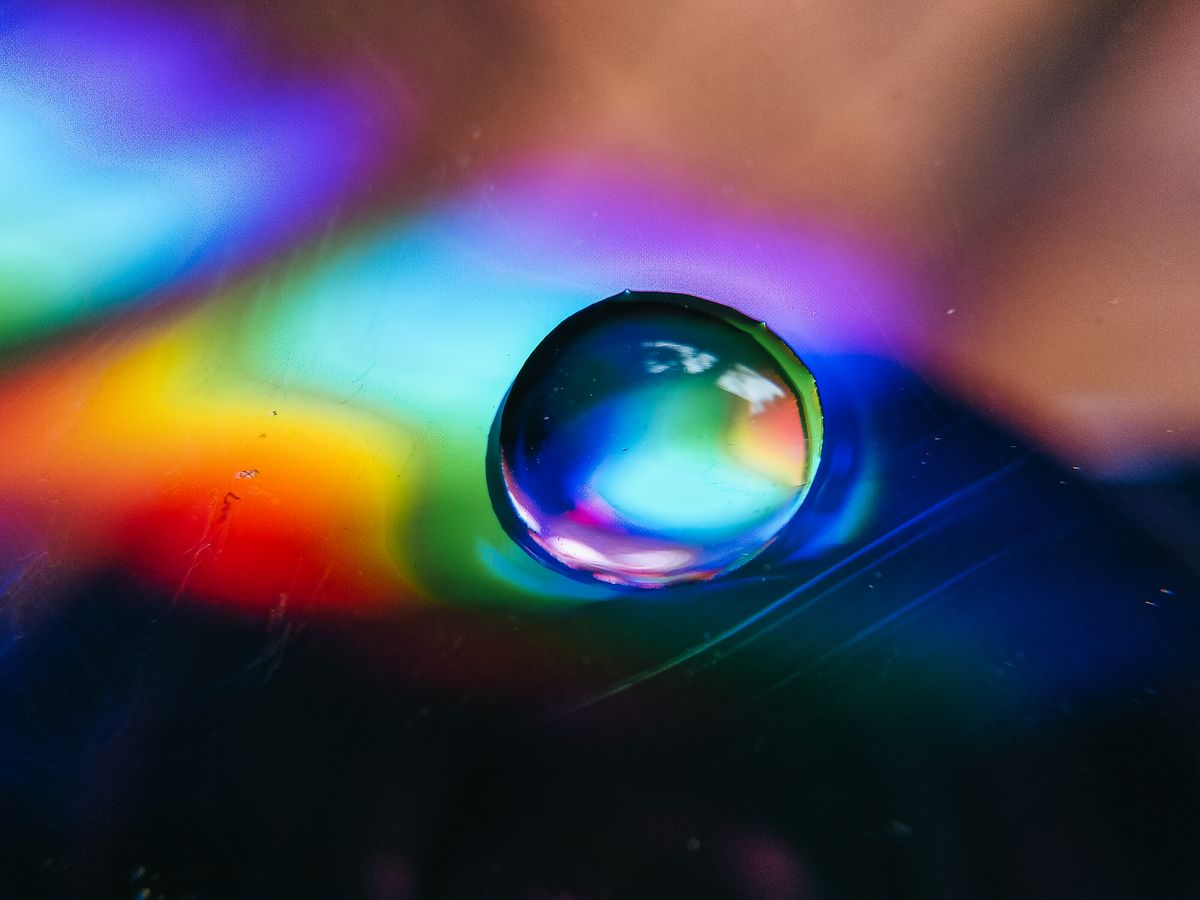
Refraction of Light in Water: 5 Clear Examples & Why It Happens
Refraction of light in water is one of the most familiar optical effects you can see. A straw looks bent in a glass, a pool appears shallower than it is, and a rainbow arcs across the sky — all because light changes speed when it hits the water's surface. Here's the physics of why, with clear examples and real numbers.

Reflection vs Refraction: 7 Key Differences (Simple Guide)
Reflection vs refraction — reflection is light bouncing back into the same medium like a ball off a wall. Refraction is light bending as it passes into a different medium and changes speed, like a car turning from tarmac onto sand. Here are the 7 key differences, with a comparison table and real-world examples.
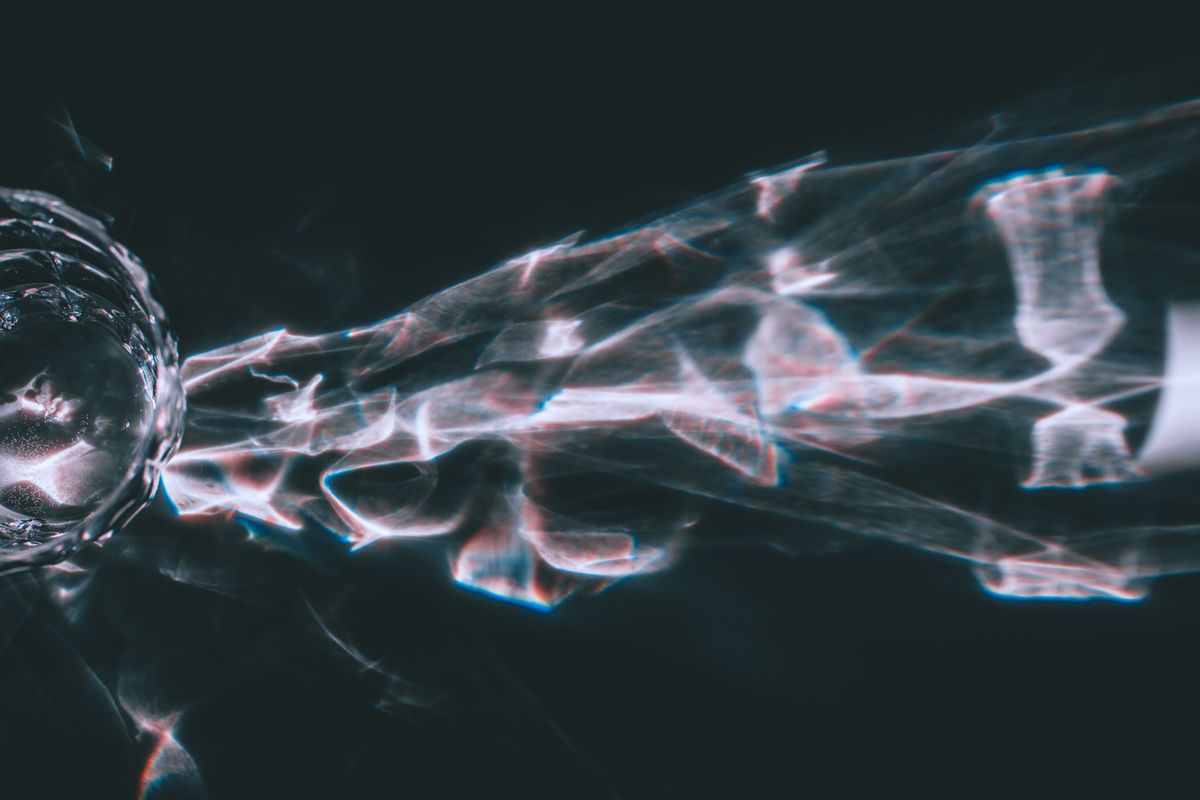
Reflection Refraction and Absorption: 3 Key Interactions
When light hits a material, three things can happen: it bounces back (reflection), it bends as it passes through (refraction), or it gets absorbed and turns into heat. Here is how each one works, with clear examples you see every day.
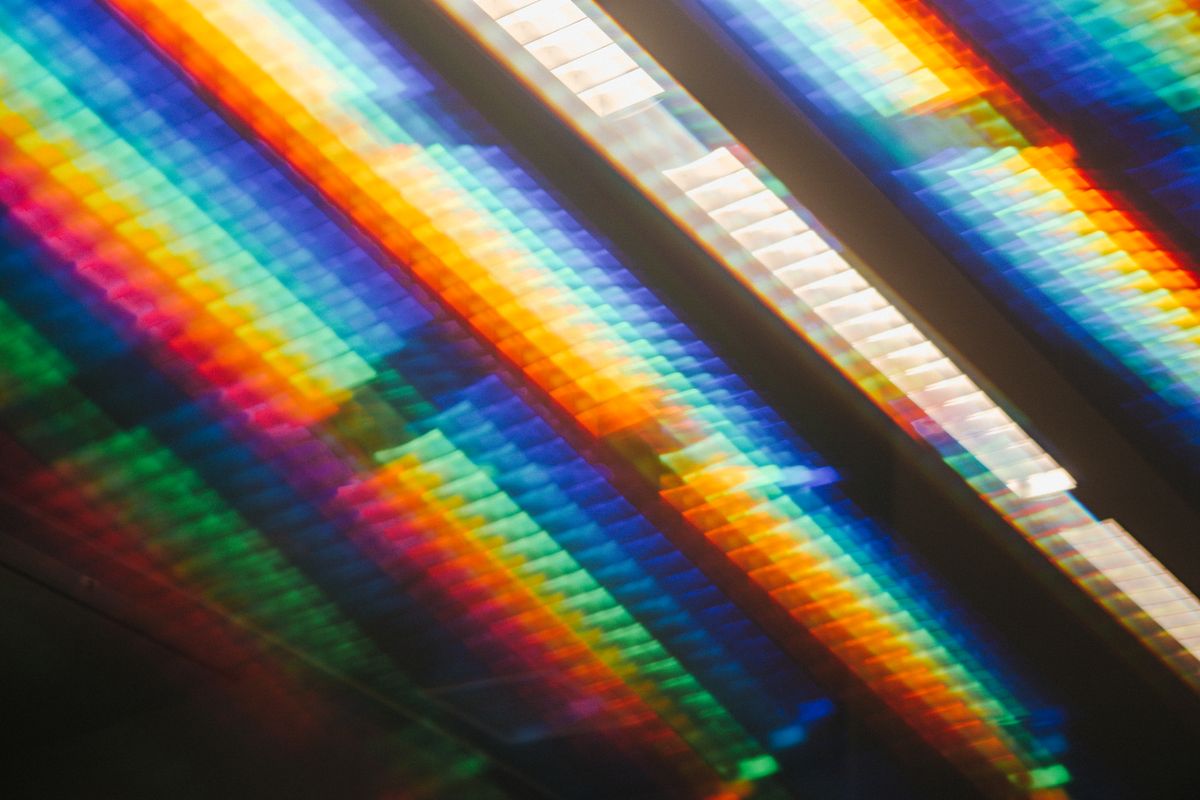
Explain How Light Bends During Diffraction (6-Step Guide)
Diffraction is the bending and spreading of light waves around obstacles and through openings. Here's how it happens in 6 clear steps, starting from the moment a wavefront meets an edge.
Lens Refraction: 5 Clear Ways Lenses Bend Light
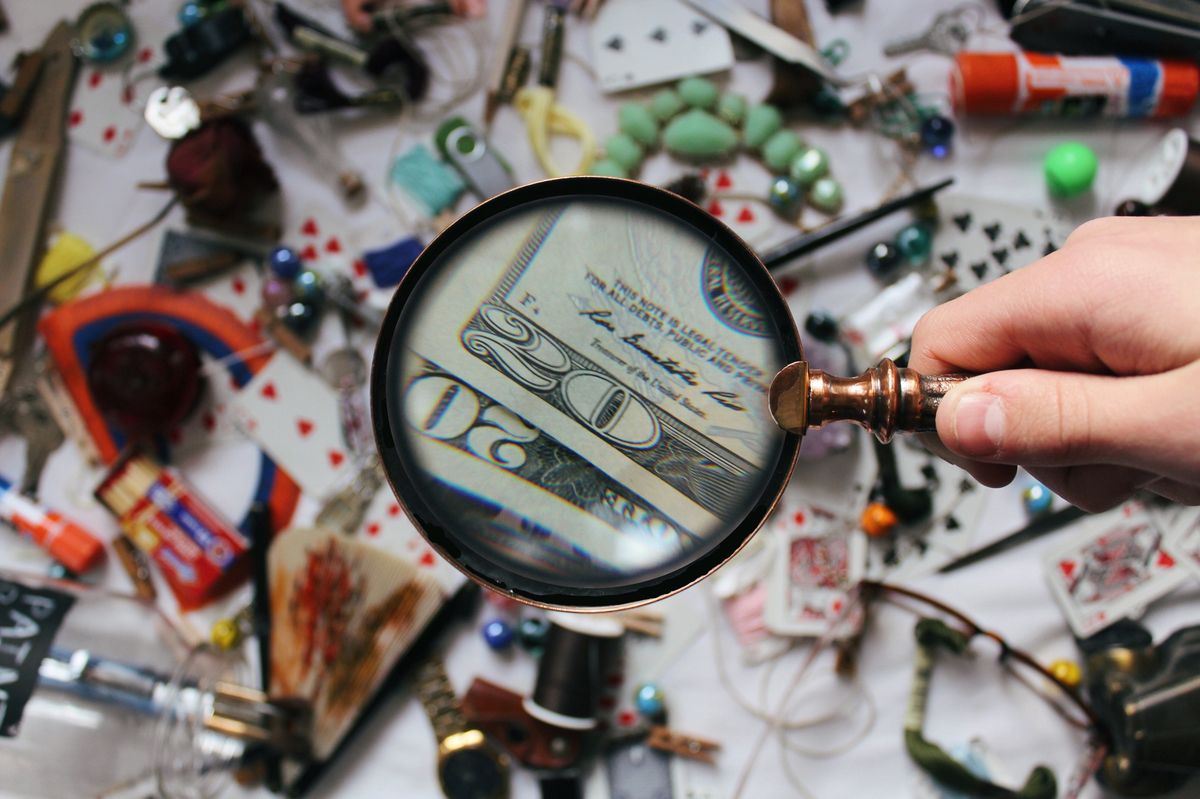
Lens refraction is how a transparent curved shape bends light to form images. A convex lens converges rays to a focal point; a concave lens spreads them out. Here are 5 essential ways lenses use refraction, from eyeglasses to microscopes.
Does Gravity Bend Light? 5 Simple Ways Spacetime Warps It
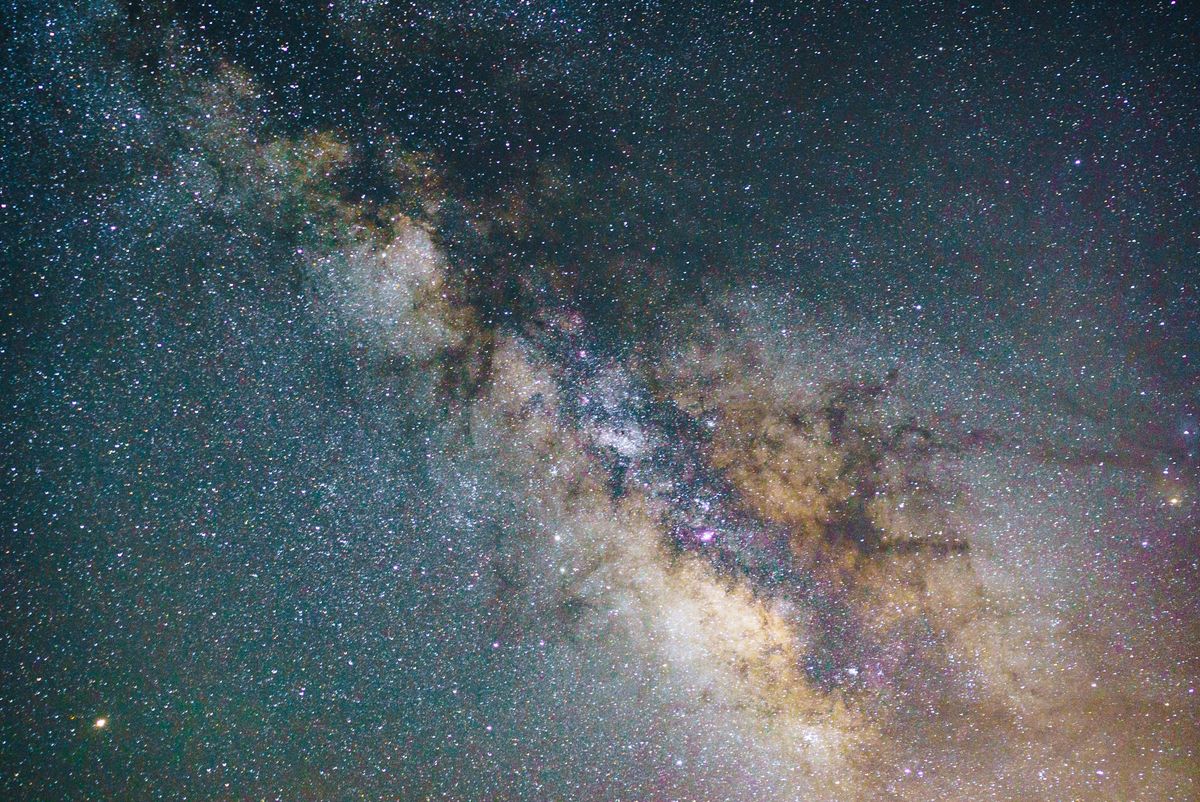
Does gravity bend light? Yes — Einstein's general relativity showed that mass curves spacetime, and light follows those curves. The result is gravitational lensing: massive objects act like cosmic magnifying glasses, distorting and magnifying the light from distant galaxies. Here are 5 simple ways gravity warps starlight.